ISO 2439:2008 is an international test standard for determining the indentation hardness (load-bearing response) of flexible, open-cell polymeric foams using an indentation technique.
It is commonly used to compare foam “feel” and support performance for materials and finished products such as cushioning components. If you need help matching the right method option to your product type or thickness, talk with our team.
ISO 2439:2008 — Flexible cellular polymeric materials — Determination of hardness (indentation technique)
ISO 2439:2008 defines multiple indentation-based procedures for measuring the hardness response of flexible cellular materials. The reported values are tied to the specific test conditions in the standard (including indentation levels and dwell times), so method selection and setup consistency matter.
This standard is focused on open-cell foam types and can be applied to both bulk material characterization and to certain finished articles when suitable sampling and support conditions are used.
Quick definition
In practical terms: ISO 2439 measures how much force is required to indent a flexible foam specimen (or suitable test piece) to a defined percentage of its thickness, under defined timing conditions, to produce comparable “indentation hardness” values.
What this standard covers
ISO 2439:2008 specifies four indentation hardness methods (Methods A to D) and one additional method (Method E) that provides further load-bearing information.
What is included: Indentation hardness determinations that use defined indentation percentages and time-based force readings (for example, a 40% indentation index with a specified dwell time), plus a method for compressive deflection coefficient and hysteresis loss rate.
Material scope (as stated by the standard abstract): The methods apply to latex foam, urethane foam, and open-cell PVC foam.
Why this standard matters in testing
Indentation hardness is widely used as a practical indicator of foam load-bearing behavior, helping teams control batch-to-batch consistency, compare foam grades, and set acceptance criteria for cushioning performance.
Because the results are method- and condition-dependent, ISO 2439 is especially valuable when a supply chain needs a shared, repeatable indentation-based hardness workflow for purchasing specifications, QC release, and product development comparisons.
Common materials, product types, or applications covered
Common materials: Flexible open-cell foams such as polyurethane (urethane) foam, latex foam, and open-cell PVC foam.
Common product/application examples: Cushioning foams used in mattresses, furniture/upholstery, seating, and other comfort/support components where indentation response is a key performance attribute.
Common test or verification workflow
ISO 2439 workflows are typically run as controlled indentation tests where the specimen thickness is defined, the foam is indented to a specified percentage of that thickness, and force is recorded at defined times.
Typical QC approach: Use a quicker check-oriented method for routine production control, and use more descriptive methods (multiple indentation levels) when you need a fuller hardness curve shape for development work or supplier qualification.
Reporting sensitivity: Results are not universally interchangeable across methods. Your purchase specification or internal control plan should state the exact ISO 2439 method letter and the edition being used.
Equipment commonly used for this standard
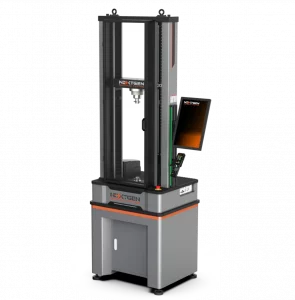
ISO 2439 indentation testing is commonly performed on a compression-capable test frame or dedicated foam hardness/IFD tester configured for indentation measurements.
Common equipment elements: A force-measuring test system, compression/indentation tooling appropriate for foam indentation, thickness/deflection measurement (crosshead displacement or an independent displacement sensor), and controls to hold defined indentations for specified times before recording force.
Practical buying caution: For quoting equipment, the highest expected forces, specimen sizes, and whether you need rapid QC checks vs. more detailed characterization will influence load cell selection, frame stiffness requirements, and fixture configuration. If you are comparing system configurations, you can request a detailed quote for an ISO 2439-ready setup.
How to read this designation or revision
Designation: ISO 2439 is the standard number; “:2008” indicates the published year of the cited edition.
Current edition note: ISO 2439:2008 has been reviewed and confirmed by ISO (confirmation noted in 2021), meaning it remains the current edition until it is revised or withdrawn.
Procurement tip: If a customer or drawing calls out ISO 2439 without a year, clarify which edition and which method letter (A, B, C, D, or E) is required before finalizing acceptance criteria or test equipment.
Related standards, methods, or frameworks (when useful)
ISO 2439 is commonly used alongside other flexible cellular materials methods for compression behavior and durability when a specification needs more than indentation hardness alone. When you are building a test plan, keep method intent separate: indentation hardness methods focus on indentation response, while compression stress-strain or fatigue/dynamic tests may be governed by different ISO documents.
If your program references multiple foam tests, align specimen preparation, conditioning, and reporting requirements to the exact cited standards to avoid mixing non-equivalent results.
Get help selecting an ISO 2439 testing setup
If you want to match ISO 2439 method options to a practical lab workflow (QC checks vs. detailed characterization) and confirm the right load range, fixtures, and controls, contact our team with your foam type, specimen dimensions, and the method letter you need to run.