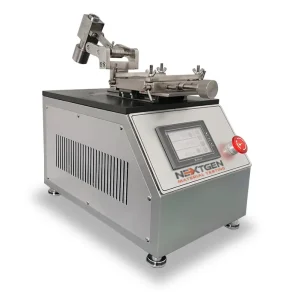
ISO 20868:2001 is an ISO test method used to determine the abrasion resistance of footwear insoles, regardless of the insole material.
If you are unsure whether ISO 20868 fits your insole construction or your durability requirement, talk with our team about the intended use case and the right test setup.
ISO 20868:2001 — Footwear — Test methods for insoles — Abrasion resistance
ISO 20868 focuses on evaluating how an insole surface resists wear from abrasion. It is commonly used in footwear product development and quality programs where insole durability is tied to comfort retention and product life expectations.
This document is a test method (not a material specification). It helps laboratories and manufacturers run a repeatable abrasion resistance evaluation for insoles made from different materials.
Quick Definition
ISO 20868 is a laboratory abrasion test method for footwear insoles that produces an abrasion resistance result under the standard’s defined conditions.
Document type: Test method.
Primary property: Abrasion resistance of insoles.
What This Standard Covers
ISO 20868 defines a method to determine abrasion resistance of insoles, irrespective of the material. The evaluation is intended for insole components rather than complete footwear assemblies.
Because insoles can be made from foams, textiles, leathers, coated materials, laminates, or multi-layer constructions, the standard is often used to compare designs or to monitor consistency across production lots using a consistent test approach.
Why This Standard Matters in Testing
Insole wear can affect perceived comfort, appearance, and long-term performance in footwear. Abrasion resistance screening is commonly used to help qualify new material options, compare suppliers, or investigate field complaints linked to rapid insole surface breakdown.
For QA/QC teams, the value is repeatability: ISO 20868 supports consistent in-house or third-party testing so results can be trended over time and tied to acceptance criteria defined by a brand, manufacturer, or purchasing specification.
Common Materials, Product Types, or Applications Covered
ISO 20868 is used for insoles across a range of footwear categories where surface durability is important.
Common insole types: Comfort insoles, sockliners, molded or laminated insoles, and material stacks intended to sit under the footbed top layer.
Common material families: Polymer foams, textile top covers, leather and synthetic leather-like layers, and multi-layer bonded constructions.
Common Test or Verification Workflow
ISO 20868 is typically used as part of a durability verification workflow for footwear components.
Common workflow: Select representative insole samples (or cut test pieces from insoles) → condition specimens as required by the test program → run the abrasion exposure using the specified abrasion method → record the abrasion resistance outcome using the standard’s evaluation and reporting approach → compare results to internal targets, supplier commitments, or product benchmarks.
Practical note: Because abrasion results can be sensitive to the exact test conditions and evaluation approach, purchasing documents and lab reports should always reference the exact ISO 20868 edition used.
Equipment Commonly Used for This Standard
ISO 20868 requires an abrasion test apparatus configured to apply controlled abrasion to an insole test surface under the method’s defined conditions.
Common equipment elements: A dedicated abrasion tester with controlled motion and cycle counting, a defined loading arrangement, specimen holding/fixturing suited to insole test pieces, and standardized abrasive/abrading media called out by the method.
When quoting or configuring equipment, the key is matching the tester’s motion, force application, and fixture approach to the ISO 20868 method and to the types of insole constructions you plan to test (soft foams, textile top covers, laminates, and composites).
How to Read This Designation or Revision
Designation format: ISO 20868:2001.
What the year means: The “2001” indicates the publication year for that edition. If a purchase order, lab report, or customer requirement lists ISO 20868 without a year, it is good practice to confirm which edition is required before testing.
Status sensitivity: ISO standards may be confirmed, revised, or withdrawn over time, so aligning the cited edition across contracts, test reports, and internal procedures helps avoid disputes.
Related Standards, Methods, or Frameworks
ISO 20868 is one of several component-level test methods used in footwear durability and materials qualification programs. In practice, it may be paired with other insole or footwear component tests selected by a brand specification or a product category requirement.
If your program references multiple footwear component methods, the most important step is ensuring each requirement calls out a clear edition, sample definition, and pass/fail criteria so results are comparable across labs and suppliers.
Get Help Selecting an ISO 20868 Test Setup
If you are preparing to purchase or upgrade abrasion testing equipment for insole durability work, you can request a detailed quote for a configuration aligned to ISO 20868 and your expected insole materials and throughput.