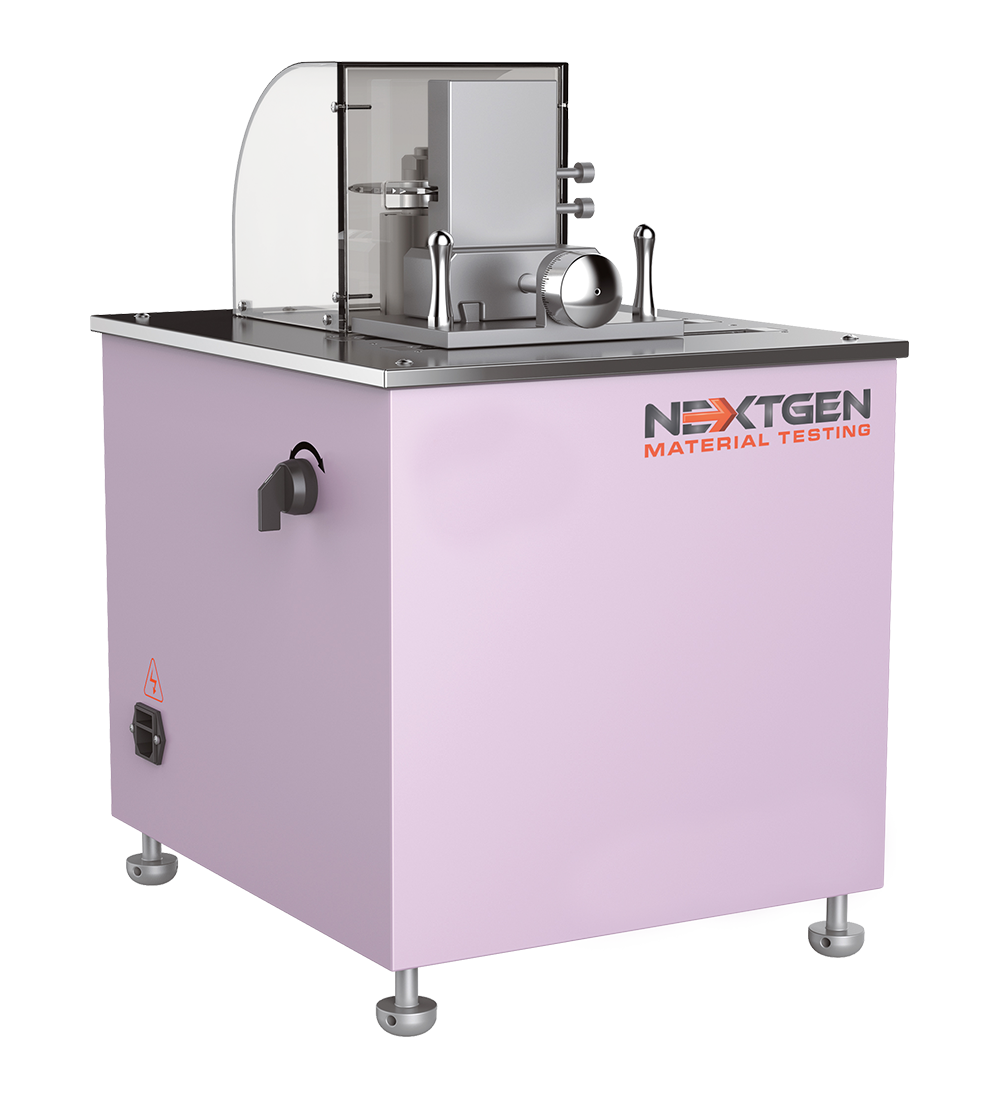
ISO 180 is an ISO test method for determining the Izod impact strength of plastics using a pendulum impact configuration under defined conditions.
It is commonly used to compare material toughness/brittleness, evaluate the effect of notches and processing, and support material selection, product qualification, and incoming QC for plastic compounds and finished plastic parts. If you need help aligning your material, specimen type, or temperature conditioning to the right setup, talk with our team.
ISO 180: Plastics — Determination of Izod impact strength
ISO 180 specifies a method to measure the Izod impact strength of plastics. The standard defines multiple specimen types and test configurations, with test parameters selected based on material type, specimen type, and notch type.
This method is widely used for comparative assessment of plastic materials under the specified impact conditions, and it is especially useful when you need a repeatable, standards-based way to track changes in formulation, molding conditions, aging, or lot-to-lot variability.
Quick definition
What it is: A pendulum impact test method for plastics (Izod configuration) used to determine Izod impact strength under defined conditions.
What it indicates: A practical measure used to compare relative toughness/brittleness for the specified specimen and notch configuration (rather than a single intrinsic property independent of geometry).
What this standard covers
ISO 180 describes how to perform Izod impact testing on plastic specimens prepared to defined geometries. It includes different specimen and notch options, enabling the method to be applied across a range of plastics and product forms.
Depending on the cited configuration, specimens may be molded to size or machined from plastic products (for example sheet, extruded sections, laminates, or molded parts) when it is appropriate to represent end-use processing.
Why this standard matters in testing
Izod impact results are often used as a quick discriminator for impact performance when selecting materials, qualifying alternatives, or checking that a process change did not materially shift toughness. The test is also commonly requested in supplier/customer documentation because it is widely recognized and comparatively fast to run.
Because impact performance is sensitive to specimen geometry, notch details, and conditioning, equipment selection and lab workflow should be matched to the exact ISO 180 configuration cited in your requirement.
Common materials, product types, or applications covered
ISO 180 is used for many plastic materials and plastic product forms where an Izod pendulum impact comparison is required.
Common examples: Thermoplastics and thermosets; molded plaques and molded test bars; machined specimens from finished or semi-finished products such as molded components, sheet, and extruded profiles.
Common test or verification workflow
ISO 180 is typically used as part of routine material characterization or QA/QC verification.
Typical workflow: Prepare or machine specimens to the required configuration → create the specified notch type when required → condition specimens using specified atmospheres/temperatures where applicable → run Izod pendulum impacts per the chosen configuration → report Izod impact strength results along with the key specimen/configuration details.
If you are working from a customer drawing or a procurement requirement that only says “ISO 180” without configuration detail, contact our team and we can help you identify what needs to be specified for a quoteable, repeatable test setup.
Equipment commonly used for this standard
ISO 180 testing is centered on a pendulum impact system and the supporting tools needed to produce consistent specimens and notches.
Common equipment: Izod pendulum impact tester (pendulum impact machine) with appropriate fixtures/anvils for the cited configuration; specimen supports and alignment tools; notch preparation equipment (notching machine/cutter) when notched testing is required; basic dimensional measurement tools for specimen verification.
Common lab accessories: Conditioning environment control (for standard atmospheres and/or temperature conditioning when required by the referenced conditioning standard or your test plan); specimen identification and handling aids to maintain traceability.
If you are equipping a lab or adding ISO 180 capability to an existing impact station, you can request a detailed quote for a configuration matched to your specimen type, notch needs, and throughput.
How to read this designation or revision
ISO standards are commonly cited using the format “ISO 180:YYYY”, where the year identifies the published edition being required.
For ISO 180, the edition matters because specimen configurations, parameter options, and reporting expectations can change between revisions. When receiving a requirement that only states “ISO 180”, it is good practice to confirm the intended year/edition and the exact configuration (specimen type and notch type) before running tests or ordering equipment.
Related standards, methods, or frameworks
ISO 180 is often used alongside related plastics testing standards that define conditioning atmospheres and specimen preparation conventions.
-
ISO 291: Commonly referenced for standard atmospheres for conditioning and testing of plastics.
-
ISO 20753: Commonly referenced for multipurpose test specimens used in plastics testing programs (relevant when specimens are machined from standardized multipurpose specimens).
Get help selecting an ISO 180 impact testing setup
If you need to match an Izod impact system to a specific ISO 180 edition, specimen configuration, or conditioning requirement, contact our team with your material type, specimen details, and any customer or regulatory callouts.