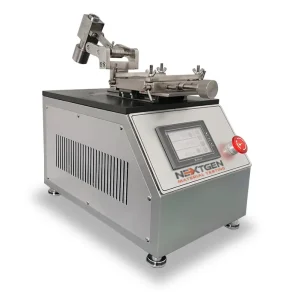
ISO 17700 Method A is a footwear-material rub fastness test used to evaluate how much surface colour transfers during controlled dry or wet rubbing. It is commonly specified for upper materials, linings, and insocks when labs need a repeatable way to compare finishes, dyes, and coatings under abrasion-like contact.
Method A uses a to-and-fro rubbing action with a square rubbing finger and felt pad, making it a practical choice for routine QC checks and supplier approvals on coloured materials and components. If you need help matching the method to your material type, specimen format, or the edition cited by a customer, talk with our team.
ISO 17700:2019, Method A — Footwear — Test methods for upper components and insocks — Colour fastness to rubbing and bleeding
ISO 17700:2019 is an ISO footwear test-method standard that includes multiple procedures for colour fastness to rubbing and colour bleeding. “Method A” is the procedure within ISO 17700 that uses a to-and-fro, square rubbing finger rub fastness testing machine.
Because “Method A” is a named method inside ISO 17700 (not a separate standalone ISO document), purchase orders and test reports typically cite the full standard and then specify Method A for the rubbing evaluation.
Quick Definition
ISO 17700 Method A is a laboratory rub fastness procedure that assesses colour transfer from a material surface during repeated dry or wet rubbing using a reciprocating (to-and-fro) square rubbing finger and a felt rubbing pad.
What This Standard Covers
Method A focuses on controlled rubbing contact between a test specimen and a felt pad under a defined load and motion. The outcome is used to judge the tendency for colour to transfer (stain the rubbing pad) and/or visibly change on the specimen surface after the specified rubbing exposure.
Within ISO 17700:2019, Method A is one of multiple alternative rubbing machine approaches (Methods A, B, and C). The correct choice depends on what your customer, brand program, or internal specification cites.
Why This Standard Matters in Testing
Colour transfer complaints in footwear often show up as staining on socks, lining materials, packaging contact points, or adjacent components during wear or handling. A standardized rubbing method supports product qualification and lot-to-lot monitoring by making results comparable across labs and suppliers.
Method A is frequently used as a fast screening tool when you need a repeatable, machine-controlled rubbing action rather than a purely manual assessment.
Common Materials, Product Types, or Applications Covered
ISO 17700 Method A is used across a wide range of footwear components where colour transfer risk is a concern.
- Uppers: leather, coated leather, synthetic leather, textiles, laminates, and finished materials
- Linings and insocks: dyed or printed materials, coated surfaces, and composite constructions
- Common use cases: material release testing, incoming inspection, supplier qualification, and finish-change validation
Common Test or Verification Workflow
Most labs run Method A as part of a colour fastness verification set for footwear materials, especially when a specification calls out dry rubbing, wet rubbing, or both.
Common workflow: condition specimens as required by the cited edition and internal procedure, mount the specimen on the reciprocating platform, run the specified number of rubbing cycles with a dry or wetted felt pad, then grade the observed colour transfer and/or surface change per the reporting requirements of the cited document or customer program.
Equipment Commonly Used for This Standard
Method A is equipment-driven: results depend strongly on controlling rubbing motion, applied force, pad condition, and wetting consistency for wet rub runs.
Common equipment: to-and-fro (reciprocating) rub fastness tester with a square rubbing finger and cycle counter; specimen clamping platform; force/loading system to apply the specified downward load; standard wool felt rubbing pads; wetting tools for wet rub preparation; and a conditioning environment when required by your lab procedure.
If you are comparing configurations (single vs. dual station, load options, counters, pad holders, and wet-rub accessories), you can request a detailed quote for a setup matched to your throughput and reporting needs.
How to Read This Designation or Revision
“ISO 17700 Method A” refers to the Method A procedure inside ISO 17700 (for example, ISO 17700:2019, Method A). The year (edition) matters because apparatus details, conditioning, and reporting requirements can be edition-sensitive.
When reviewing a requirement, confirm whether it specifies Method A (to-and-fro square rubbing finger) versus another ISO 17700 method, and confirm the exact year cited in the customer document or purchase order.
Related Standards, Methods, or Frameworks
Depending on the material type and the footwear program, rub fastness requirements can be specified using different method families that use similar “rub-and-grade” concepts but differ in apparatus and setup.
- ISO 17700 (Methods B and C): alternative machine motions for colour fastness to rubbing within the same ISO document
- Leather-focused rub fastness methods: often referenced when the upper is leather or finished leather and the program cites leather-specific procedures
- Footwear test frameworks: some programs specify rub fastness requirements inside broader footwear test standards rather than as a standalone colour fastness method
Get help selecting a Method A rub fastness setup
If you need to align equipment capabilities to a customer citation (including load options, stroke behavior, wet-rub handling, and reporting expectations), ask for a quote and include the exact ISO 17700 edition and the Method A conditions you have been asked to run.