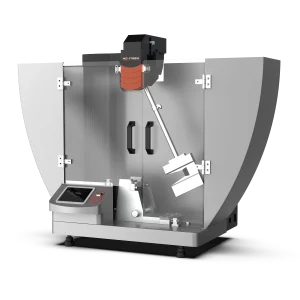
ISO 13802 is an ISO standard for verifying pendulum impact-testing machines used for plastics impact testing, including Charpy, Izod, and tensile impact applications.
It is typically used when commissioning a new impact tester, after repair or relocation, and for ongoing periodic checks. If you need help matching your machine type and verification needs to the edition cited in your customer or internal procedure, you can talk with our team.
ISO 13802:2025 — Plastics — Verification of pendulum impact-testing machines — Charpy, Izod and tensile impact-testing
ISO 13802:2025 is an International Standard focused on verifying the performance-related characteristics of pendulum-type impact-testing machines used in plastics testing. It supports confidence in impact results by defining verification approaches for the machine itself, rather than defining the specimen test method.
This standard is commonly referenced alongside plastics impact test methods such as Charpy impact (ISO 179-1), Izod impact (ISO 180), and tensile impact (ISO 8256).
Quick definition
Document type: Verification standard for pendulum impact-testing machines.
In plain terms: It defines how to check that a Charpy/Izod/tensile-impact pendulum impact tester is suitable for use and remains in tolerance over time.
Key limitation to note: For instrumented impact machines, it addresses verification only where the geometrical and physical properties align with non-instrumented machines; it does not cover force/work verification for instrumented systems.
What this standard covers
ISO 13802 specifies the frequency and methods used to verify pendulum impact-testing machines used for plastics impact tests (Charpy, Izod, and tensile impact). It applies to pendulum-type machines of different capacities and designs, provided they meet the referenced geometrical and physical requirements for the machine.
It includes methods for verifying geometrical and physical properties of different parts of the test machine and is intended for use at installation, after repair, after a move, and during periodic checking.
Why this standard matters in testing
Pendulum impact testing is sensitive to machine condition and setup. A verification standard like ISO 13802 helps laboratories and manufacturers reduce avoidable variability by ensuring the impact tester’s key characteristics remain within acceptable limits over its service life.
In practical QA/QC workflows, ISO 13802 often becomes the reference for internal calibration/verification schedules, acceptance criteria for service events, and documentation used to support audits or customer requirements tied to ISO Charpy/Izod/tensile impact testing.
Common materials, product types, or applications covered
ISO 13802 is machine-focused (not material-focused), but it is most often used in laboratories and production environments that run plastics impact tests, such as:
- Polymer raw materials qualification and lot-to-lot control
- Molded or extruded plastics products where impact performance is specified
- R&D programs comparing formulations, fiber fill levels, or processing conditions using Charpy/Izod/tensile impact methods
Common test or verification workflow
ISO 13802 is typically used as part of an equipment verification plan for a pendulum impact tester that supports ISO plastics impact methods.
Common workflow points: Initial installation qualification, post-service or post-relocation verification, and periodic verification as part of a lab’s scheduled quality system.
Practical reporting needs: Many labs capture the date, reason for verification (install/repair/move/periodic), the checks performed, and pass/fail outcomes consistent with the edition cited in their test plan.
Equipment commonly used for this standard
Because ISO 13802 is a machine verification standard, the “equipment” focus is on the impact tester platform and the tools needed to verify it, rather than on specimen preparation or a specific material test fixture.
Common equipment families: Pendulum impact-testing machines configured for Charpy and/or Izod and/or tensile impact testing; instrumented impact machines may use ISO 13802 for applicable geometry/physical checks (instrumented force/work verification is outside the scope).
Common supporting items: Verification and measurement tools used to check machine geometry and physical characteristics, plus service/maintenance support appropriate for periodic checking intervals.
If you are selecting a new pendulum impact tester or planning a verification kit aligned to your internal schedule, you can request a detailed quote with the capacity, configuration, and documentation options your lab needs.
How to read this designation or revision
Typical citation format: ISO 13802:2025.
What the year means: The year indicates the published edition being used. Verification frequency, required checks, and acceptance criteria can be edition-sensitive, so purchase specifications and lab procedures should reference the exact dated version required by your customer, regulator, or internal quality system.
Lifecycle note: ISO 13802:2025 is published as Edition 3, and ISO also lists earlier editions (e.g., ISO 13802:2015) in the standard’s history.
Related standards, methods, or frameworks
ISO 13802 is commonly used alongside ISO plastics impact test methods that define how to run the specimen tests themselves:
- ISO 179-1 (Charpy impact test method)
- ISO 180 (Izod impact test method)
- ISO 8256 (tensile impact test method)
When writing or reviewing a test plan, it is common to pair the specimen test method citation with ISO 13802 to show both the test procedure and the machine verification basis.
Talk with us about ISO 13802 setup and verification planning
If you are building a periodic verification schedule, replacing an older pendulum impact tester, or unsure how instrumented vs non-instrumented features affect your verification approach, contact our team to discuss your application and equipment configuration.