ISO 12947-2:2016 describes how to determine the end-point of a Martindale abrasion test by inspecting specimens at fixed intervals and recording when breakdown occurs.
This standard is commonly used for durability and wear-performance verification of textile fabrics (including many nonwovens) when results are reported as “cycles to breakdown.” If you need help aligning the breakdown criteria and inspection interval to a buyer spec or internal protocol, contact our team.
ISO 12947-2:2016 — Textiles — Determination of the abrasion resistance of fabrics by the Martindale method — Part 2: Determination of specimen breakdown
ISO 12947-2 is part of the ISO 12947 Martindale abrasion series. This part focuses on identifying specimen breakdown (the test end-point) through inspection at specified intervals during abrasion testing.
It is typically used when a test report or product requirement calls for a defined failure point rather than (or in addition to) mass loss or appearance grading.
| Item | What to know |
|---|---|
| Standard status | Published International Standard (Edition 2) |
| Publication date | 2016-12 |
| What it evaluates | Specimen breakdown (end-point) by inspection at fixed intervals |
| Applies to | Textile fabrics including nonwovens (with noted exceptions) |
| Not intended for | Coated (including laminated) fabrics; coated-surface abrasion is handled under ISO 5470 methods |
Quick definition
Document type: Test method procedure (end-point determination) within the Martindale abrasion resistance series.
Primary output: Abrasion cycles (rubs) to specimen breakdown, based on periodic inspection.
Common use case: Performance verification for upholstery, apparel, uniform fabrics, and other textiles where “wear-through” or defined damage is the key acceptance criterion.
What This Standard Covers
ISO 12947-2 defines a way to determine when a specimen has reached “breakdown” during Martindale abrasion exposure. The method relies on inspecting the specimen at fixed intervals and recording the abrasion count at which the defined end-point occurs.
Because this part is focused on the end-point determination, it is normally used together with ISO 12947-1 (apparatus requirements) and any purchaser or internal criteria that define what constitutes breakdown for the material and end-use.
Why This Standard Matters in Testing
In many textile durability programs, “cycles to breakdown” is the simplest way to compare constructions, finishes, and fiber blends under controlled abrasion. ISO 12947-2 provides a consistent inspection-based approach so different labs can report comparable end-point results when they use the same criteria and interval plan.
This can be especially important in procurement, incoming quality control, and product development when pass/fail limits are tied to minimum Martindale cycles rather than appearance grading or weight loss.
Common Materials, Product Types, or Applications Covered
ISO 12947-2 is written for textile fabrics, including nonwovens, and is commonly referenced for products where surface wear and wear-through are key risks.
- Upholstery and furniture covering fabrics
- Apparel and uniform fabrics
- Footwear textiles and linings (where Martindale abrasion is specified)
- Technical textiles and industrial fabrics (when a cycles-to-breakdown requirement is used)
Important limitation: This part is not applicable to coated fabrics (including laminated fabrics). If coated-surface abrasion behavior is required, ISO 5470 methods are typically used instead.
Common Test or Verification Workflow
Most labs use ISO 12947-2 as the end-point definition around a Martindale abrasion test run.
Common workflow: Prepare and mount specimens on a Martindale abrasion tester, run the abrasion sequence, stop at defined inspection intervals, visually assess the specimen condition, and record the abrasion count at which breakdown occurs.
Reporting focus: Results are typically communicated as cycles (rubs) to breakdown, along with the inspection interval plan and any agreed definition of breakdown used for the test program.
Equipment Commonly Used for This Standard
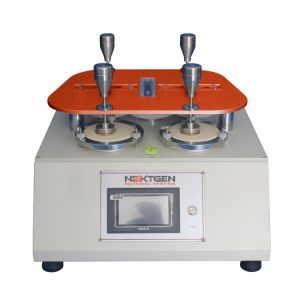
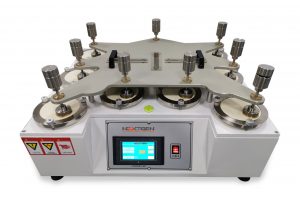
ISO 12947-2 is strongly equipment-linked because it is used with a Martindale abrasion platform. Equipment selection is typically driven by capacity (number of stations), control and counting features, and the accessories needed to mount and inspect specimens consistently.
Common equipment: Martindale abrasion tester meeting ISO 12947-1 requirements, specimen holders/clamps and auxiliary materials specified for the Martindale method, and suitable inspection aids (consistent lighting and simple magnification where needed for end-point judgement).
Practical quoting caution: The requested end-point (breakdown definition) and inspection interval plan can affect how you configure station count, controls, and day-to-day throughput.
How to Read This Designation or Revision
ISO 12947-2 refers to Part 2 of the ISO 12947 Martindale abrasion series, focused on specimen breakdown determination.
ISO 12947-2:2016 indicates the 2016 edition (Edition 2). Earlier editions exist (for example, ISO 12947-2:1998 is withdrawn), so purchase specifications and compliance statements should cite the exact year required.
Related Standards, Methods, or Frameworks
ISO 12947-2 is commonly used alongside other parts of the Martindale abrasion series and related abrasion methods for coated materials.
- ISO 12947-1 — Martindale abrasion testing apparatus (apparatus requirements and auxiliary materials)
- ISO 12947-3 — Determination of mass loss (an alternate evaluation approach)
- ISO 12947-4 — Assessment of appearance change (a visual grading approach)
- ISO 5470 (series) — Abrasion methods for rubber- or plastics-coated fabrics when coated-surface abrasion behavior is required
Get help selecting a Martindale setup for ISO 12947-2
If you are specifying a new Martindale abrasion tester or expanding capacity for ISO 12947-2 breakdown testing, you can request a detailed quote matched to your station count, controls, and inspection workflow.