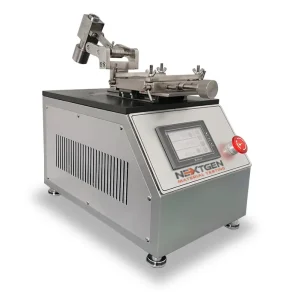
GE-29 is an adidas footwear material test method commonly used to evaluate rubbing fastness (color transfer) and surface-finish durability under controlled rubbing conditions. It is widely associated with Veslic-style rubbing/abrasion testers used for leather, coated materials, and other dyed or finished surfaces in footwear supply chains.
If you need help mapping a purchase specification to the correct GE-29 edition or a comparable lab setup, talk with our team about your material, finish type, and reporting requirement.
adidas GE-29 (PHM-FW0029) — Rubbing Fastness / Surface Color Transfer Test Method
GE-29 is typically specified when teams need a repeatable way to check whether a dyed, pigmented, or finished surface will transfer color to a rubbing medium and/or show visible finish damage after a defined number of rub cycles.
Because adidas methods are brand-owned, the exact setup details (rubbing medium, wet/dry condition, rub count, evaluation criteria, and reporting format) are driven by the cited GE-29 edition and the product category requirements.
Quick Definition
GE-29 in one line: A proprietary adidas rubbing fastness method used to rate color transfer and surface durability of footwear-relevant materials under controlled rubbing.
Typical outcome: A pass/fail decision or graded rating for staining/transfer and/or visible surface change after rubbing.
What This Standard Covers
GE-29 is commonly used to evaluate how a material surface behaves when rubbed against a defined rubbing pad or cloth under controlled pressure and motion.
Common evaluation targets: Color transfer (staining of the rubbing medium), surface marring, finish wear, and visible change on the tested surface.
Common test conditions: Dry and wet rubbing are both commonly encountered in rubbing fastness programs; the exact condition(s) depend on the cited GE-29 version and the product requirement.
Why This Standard Matters in Testing
Rubbing fastness issues can show up as staining on socks, apparel, linings, laces, or adjacent components, and can also indicate weak finishing or coating durability. GE-29 is often used as a screening and quality-control tool to help suppliers and brands compare lots, finishing processes, or material constructions using a repeatable lab method.
For equipment selection, the most important practical point is aligning the instrument style and consumables to the exact GE-29 edition referenced in your customer requirement (including whether the method expects dry, wet, or multiple conditions).
Common Materials, Product Types, or Applications Covered
GE-29 is most often associated with surface-finish and color-transfer risk on footwear-relevant materials.
Commonly tested materials: Finished leathers, coated textiles, synthetic leathers, laminates, dyed fabrics, and other surfaces where color transfer or finish wear is a concern.
Common applications: Upper materials, linings, straps, overlays, and other components where rubbing contact is expected during wear or handling.
Common Test or Verification Workflow
GE-29 is commonly run as a lab verification step within incoming inspection, process validation (finishing/coating), or supplier quality programs.
Typical workflow pattern: Condition specimens as required, run controlled rubbing for the required number of cycles and condition(s), then evaluate (a) transfer/staining on the rubbing medium and (b) visible surface change on the specimen using the required rating approach.
Where teams can get tripped up: Differences in rubbing medium/cloth type, wetting liquid definition, conditioning, and rating criteria can materially change results—so edition matching matters as much as the instrument itself.
Equipment Commonly Used for This Standard
GE-29 is commonly associated with Veslic-style rubbing fastness testers and the consumables used to run repeatable dry/wet rubbing evaluations.
Common equipment families: Veslic rub fastness (reciprocating rubbing) testers, specimen clamping/holding fixtures appropriate to the material type, and standardized rubbing pads/cloths and wetting accessories when wet testing is required.
Common accessories: Replacement rubbing heads/pads, standardized rubbing cloths or felts, weights or loading components (as required by the method edition), and visual rating aids used in your internal quality system.
If you are matching a GE-29 requirement to a specific tester configuration (single vs. dual station, dry/wet kit, consumables package), you can request a detailed quote for an equipment setup aligned to your workflow.
How to Read This Designation or Revision
GE-29 is an adidas internal (brand-owned) test method designation, and it may also be referenced through an adidas method code (commonly shown as PHM-FW0029) in some lab accreditation and method listings.
Revision sensitivity: GE-29 can be cited with a year/edition in some contexts. Always confirm the exact edition stated in your brand manual, supplier handbook, or purchase specification before finalizing a test setup, because details like test condition(s), cycle counts, and rating criteria can vary by edition.
Related Standards, Methods, or Frameworks
GE-29 is part of a broader family of rubbing fastness and leather/textile surface durability methods used in footwear and leather goods testing. Depending on your customer and product category, similar instrument families and lab practices may also appear under other ISO, EN ISO, SATRA, and brand-specific references.
Important note: Similar methods are not automatically interchangeable. If a specification allows alternates, align on acceptance criteria and reporting format before substituting any method for GE-29.
Get help selecting a GE-29 test setup
If you share the exact GE-29 citation (including any year/edition) and whether you need dry, wet, or multi-condition rubbing, we can recommend a practical tester configuration and consumables package. Use our form to ask for a quote matched to your lab throughput and reporting needs.