GB/T 1043.1-2008 is a plastics impact test method used to determine Charpy impact properties on simply supported beam specimens using a pendulum impact tester (non-instrumented setup).
Labs and manufacturers use it to compare material toughness, support incoming QA/QC, and document impact performance for molded or machined plastic test pieces. If you need help aligning the right method (Part 1 vs. instrumented impact) to your material and reporting requirements, talk with our team.
GB/T 1043.1-2008 — Plastics — Determination of Charpy impact properties — Part 1: Non-instrumented impact test
This standard defines a Charpy pendulum impact approach for plastics using a simply supported beam configuration and a non-instrumented (energy-based) measurement method.
It is typically used when you need a standardized impact value for material comparison, product qualification, or routine lot-to-lot monitoring, without capturing a full force–deflection curve.
Quick Definition
Standard type: Test method.
Primary purpose: Determine Charpy impact properties of plastics under defined conditions using a non-instrumented pendulum impact test.
Common output: Impact energy and impact strength values (often reported for notched and/or unnotched specimens, depending on the chosen condition).
What This Standard Covers
GB/T 1043.1-2008 covers the test setup and evaluation for Charpy impact testing of plastic specimens in a simply supported beam arrangement using a pendulum impact tester.
It addresses test conditions that can materially affect results—such as specimen configuration (including notched vs. unnotched use cases), support/striker geometry selection, and conditioning/test environment control—so results can be compared more consistently within a defined scope.
Why This Standard Matters in Testing
Charpy impact results are widely used as a practical indicator of how a plastic may behave under sudden loading or impact-like events, especially when comparing formulations, resin grades, reinforcements, or process changes.
Because impact properties are sensitive to specimen preparation and test setup, using a named standard such as GB/T 1043.1 helps purchasing, QA/QC, and engineering teams specify comparable requirements across suppliers and production sites.
Common Materials, Product Types, or Applications Covered
This method is commonly applied to plastics evaluated in standardized test specimen form, including material taken from molded plaques, injection molded bars, or machined specimens.
Common use cases: Resin qualification, compound development, supplier comparison, process-change validation, and routine production monitoring where Charpy impact performance is part of the technical datasheet or control plan.
Common Test or Verification Workflow
A typical GB/T 1043.1 workflow is straightforward but detail-sensitive because impact testing is affected by specimen geometry and preparation quality.
- Prepare specimens to the required geometry for the chosen condition (for example, notched vs. unnotched configuration as applicable).
- Condition specimens as required and control test temperature when needed for comparability.
- Verify the pendulum impact tester configuration and select an appropriate energy range so fractures occur within a usable portion of the machine’s capacity.
- Run the Charpy impacts and report results per the standard’s definitions for the selected specimen/test condition.
Equipment Commonly Used for This Standard
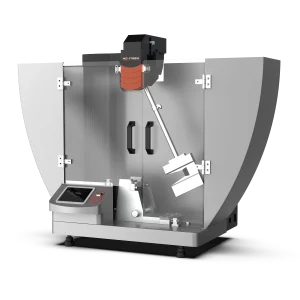
GB/T 1043.1 testing is typically performed on a pendulum impact system configured for Charpy impact on simply supported beam specimens.
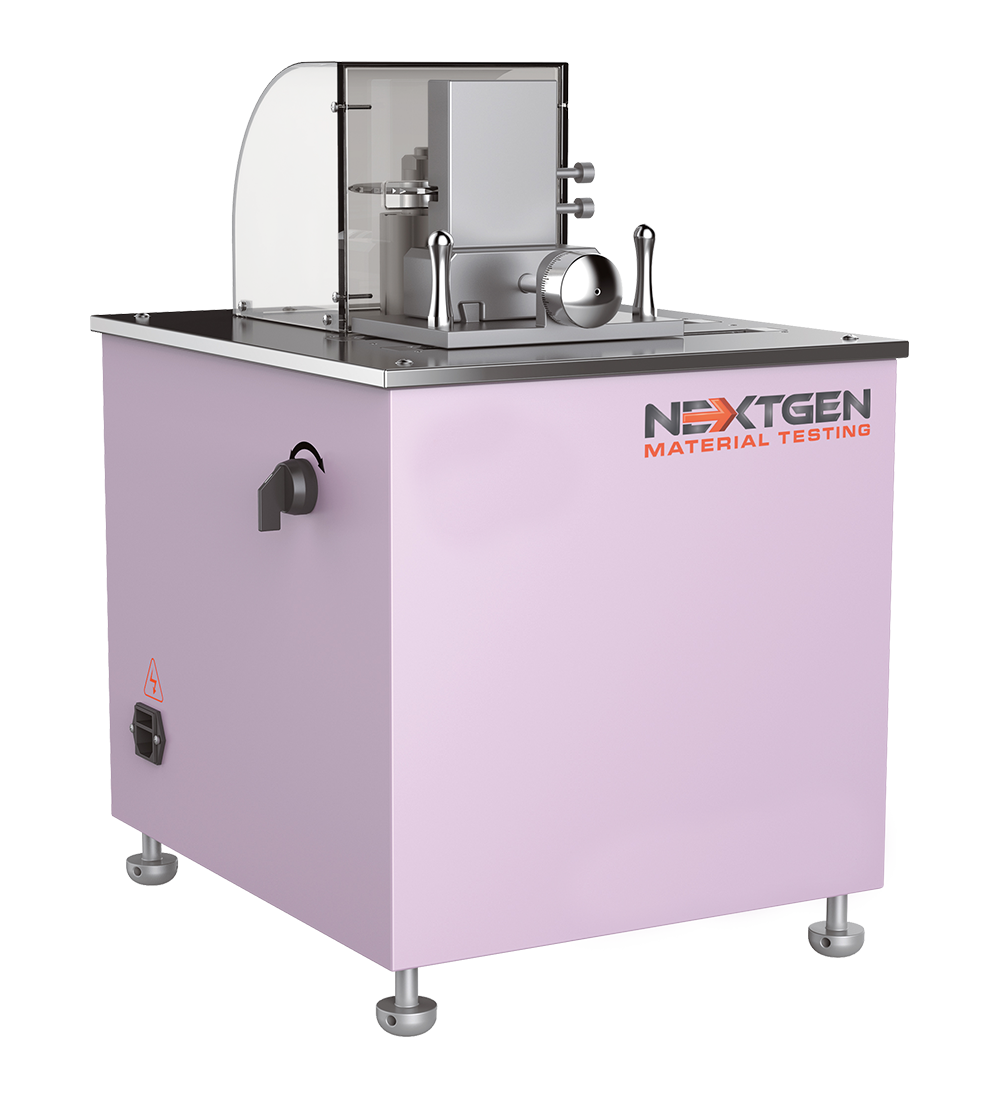
Common equipment: Pendulum impact tester (Charpy configuration), Charpy supports/anvils, striker/hammer options matched to the required configuration, specimen centering and alignment aids, and measurement tools for specimen dimensions.
Common accessories: Notching machine (when notched testing is required), specimen conditioning equipment (such as controlled temperature environments), and verification tools/fixtures used for routine machine checks.
If you are selecting a pendulum impact tester, striker set, or notching equipment for a GB/T 1043.1 workflow, you can request a detailed quote for a configuration matched to your specimen types and throughput.
How to Read This Designation or Revision
GB/T: Recommended national standard of the People’s Republic of China.
1043: Standard number associated with plastics Charpy impact testing.
.1: Part number indicating Part 1 (non-instrumented impact test) within the GB/T 1043 series.
-2008: The year of issue for this edition (edition matching can affect setup, definitions, and reporting expectations, so procurements and test plans should cite the full designation).
Related Standards, Methods, or Frameworks when useful
GB/T 1043 includes multiple parts. When a force–deflection curve or instrumented impact analysis is required, labs may need the instrumented method in the series rather than Part 1.
Common related reference: GB/T 1043.2 (instrumented impact test within the same series) may be specified when instrumented data is required instead of energy-only results.
Talk with a Test Equipment Specialist
If you are unsure whether GB/T 1043.1 (non-instrumented) or an instrumented impact method is the better fit for your material, reporting needs, or customer specification, contact our team to discuss your application and equipment options.