EN ISO 20344 Section 7.3 is a clause-level test method used in PPE footwear evaluation to assess abrasion resistance of in-shoe components such as the insole/insock (footbed-type layers that sit under the foot).
It is commonly used when footwear programs need objective evidence that these internal layers maintain integrity under rubbing and wear. If you need help matching Section 7.3 to the exact edition cited in your product specification, you can talk with our team.
EN ISO 20344 Section 7.3 (clause method within ISO 20344:2021)
ISO 20344 is the core test-methods standard used alongside safety/protective/occupational footwear requirement standards (for example, EN ISO 20345 / EN ISO 20346 / EN ISO 20347). Section 7.3 is one specific method within that broader document.
Rather than defining a full footwear certification program by itself, this clause provides a focused, repeatable approach for evaluating abrasion damage in internal insole/insock materials using controlled rubbing and thickness-loss style measurements.
Quick Definition
Section 7.3 is an abrasion resistance test for insole/insock (footbed) materials in PPE footwear, where a defined rubbing action is applied under controlled conditions and the material’s wear is evaluated (commonly by comparing thickness before and after abrasion).
What This Standard Covers
This section focuses on abrasion performance of the in-shoe layer materials used in safety and protective footwear construction.
In scope: A lab abrasion exposure applied to a prepared test piece from an insole/insock/footbed-type component, using specified rubbing media and loading, followed by an objective assessment of material loss (often expressed through thickness change).
Out of scope: Overall footwear durability claims, outsole wear, toe-cap scuff testing, slip resistance, or full footwear performance classification. Those topics are addressed elsewhere in ISO 20344 and in the separate requirement standards.
Why This Standard Matters in Testing
Insoles and insocks are exposed to repeated rubbing from socks and foot movement, along with moisture and contamination in real use. Abrasion resistance can affect comfort, fit consistency, and whether an internal layer breaks down prematurely.
For QA/QC and supplier qualification, Section 7.3 supports apples-to-apples comparisons between materials, vendors, or design revisions by using a standardized abrasion exposure and a measurable wear outcome.
Common Materials, Product Types, or Applications Covered
This method is typically applied to materials used as internal underfoot layers in PPE footwear designs, such as:
- Non-leather and leather insole/insock constructions
- Foams and laminates used in comfort or ergonomic footbeds
- Textile-covered footbed assemblies where surface wear is a concern
- Safety footwear and occupational footwear programs that include minimum durability expectations for internal layers
Common Test or Verification Workflow
Section 7.3 is usually run as part of incoming material verification or as a design-validation test during footwear development.
Typical workflow: Prepare a defined test piece from the insole/insock material, condition as required by the parent standard, measure initial thickness, apply the specified rubbing/abrasion sequence using defined rubbing media and a set number of cycles, then measure post-test thickness in the abraded zone and report the resulting change.
What labs commonly control closely: Conditioning environment, rubbing media preparation, applied load, cycle count, and the thickness gauge setup used for before/after measurements.
Equipment Commonly Used for This Standard
Because Section 7.3 is an abrasion-by-rubbing style method with a thickness-based evaluation, equipment selection is usually driven by two needs: (1) a repeatable rubbing/abrasion motion under controlled load and (2) thickness measurement with appropriate pressure foot geometry.
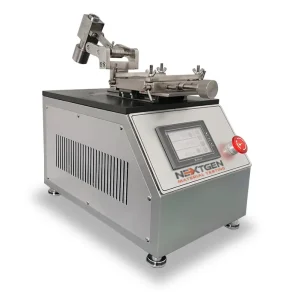
Common equipment: Abrasion/rubbing tester with controlled reciprocating motion and loading, specified rubbing pads/media (often wool felt and an abrasive cloth), a thickness gauge suitable for soft footwear components, and basic specimen preparation tools (cutting dies/knives, templates, and measurement accessories).
If you are comparing tester configurations, loading options, or thickness gauge setups for insole/insock materials, you can request a detailed quote for an equipment package aligned to your workflow.
How to Read This Designation or Revision
“EN ISO 20344” refers to the European adoption of the ISO 20344 test-methods standard for PPE footwear. “Section 7.3” points to a specific clause inside that document (a single method, not the entire standard).
Revision sensitivity: Clause numbering, apparatus references, and reporting details can change between editions and amendments. Always match the exact ISO/EN ISO edition (and any cited amendment) referenced in your footwear specification, test plan, or certification file.
Related Standards, Methods, or Frameworks
Section 7.3 is commonly used when demonstrating conformity to safety/protective/occupational footwear requirement standards that reference ISO 20344 for their test methods.
Often associated with: EN ISO 20345 (safety footwear requirements), EN ISO 20346 (protective footwear requirements), and EN ISO 20347 (occupational footwear requirements), where internal component performance may be specified and checked using ISO 20344 clause methods.
Talk to us about EN ISO 20344 Section 7.3 testing
If you need help selecting an abrasion/rubbing tester setup, confirming what accessories are needed for your insole/insock construction, or aligning your quote to the edition cited by your customer, contact our team.