EN 6072 is an aerospace test method used to generate constant-amplitude fatigue data for metallic materials and to build an S–N (Wöhler) curve for design allowables, material qualification, and process verification.
It is commonly referenced when labs need controlled cyclic loading with repeatable alignment, gripping, and data capture for fatigue-life characterization. If you need help matching the right edition or national adoption to your quality documents, you can talk with our team.
EN 6072: Aerospace series — Metallic materials — Test methods — Constant amplitude fatigue testing
EN 6072 describes a standardized approach for running constant-amplitude fatigue tests on metallic materials used in aerospace applications, then analyzing results to obtain fatigue-life behavior and an S–N curve.
This standard focuses on generating comparable fatigue data across labs and programs by defining expectations for test setup, specimen handling, test execution, and reporting.
Quick Definition
Document type: Test method.
Core purpose: Determine constant-amplitude fatigue data for metallic materials and produce an S–N (Wöhler) curve.
Typical output: Fatigue-life results suitable for material comparison, qualification activities, and engineering documentation (format and content depend on the cited edition).
What This Standard Covers
EN 6072 covers the essentials needed to run constant-amplitude fatigue testing for metallic materials under cyclic loading.
In practical lab terms, it typically addresses: test apparatus expectations, fatigue test specimens, a defined test procedure for constant-amplitude cycling, result analysis for fatigue performance, and required test reporting items.
Why This Standard Matters in Testing
Fatigue performance is highly sensitive to load control, alignment, gripping, and how results are recorded and reduced. EN 6072 is used to reduce variability so fatigue datasets can be compared across material batches, heat treatments, and suppliers.
For procurement and QA/QC teams, citing EN 6072 helps define what “fatigue tested” means (at a constant amplitude) and supports clearer acceptance of third-party reports in aerospace supply chains.
Common Materials, Product Types, or Applications Covered
EN 6072 is used for metallic materials in aerospace programs where fatigue-life characterization is required.
Common use cases: material qualification/validation datasets, process changes (e.g., heat treatment route comparisons), supplier equivalency evaluations, and engineering characterization for durability-driven parts.
Common Test or Verification Workflow
Programs that cite EN 6072 commonly follow a workflow that emphasizes consistency across multiple specimens and stress levels.
Common workflows: define the fatigue loading plan (constant amplitude), prepare and document specimens, set up the fatigue frame with appropriate grips and alignment, run cyclic loading to the defined endpoint, then analyze life results and compile an S–N curve with the required reporting details.
Equipment Commonly Used for This Standard
EN 6072 points to equipment capable of controlled, repeatable cyclic loading and reliable measurement throughout a fatigue campaign.
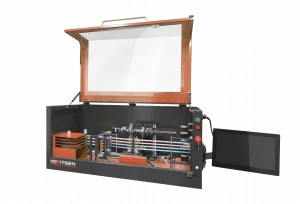
Common equipment: servo-hydraulic or electrodynamic fatigue testing systems (depending on force and frequency needs), fatigue-rated load cells, appropriate wedge or hydraulic grips for the specimen geometry, alignment tooling, and a controller/data system suitable for long cyclic tests and consistent data logging.
Common options (application-dependent): extensometry/strain measurement where required by the test plan, and environmental control (temperature chamber) when the program requires testing outside ambient conditions.
If you are selecting a fatigue frame capacity, grip style, or control package for EN 6072 work, you can request a detailed quote for a configuration matched to your specimen type and throughput.
How to Read This Designation or Revision
EN 6072 is a European (EN) standard designation used within the aerospace series for metallic material test methods. The cited year (for example, EN 6072:2010) identifies the specific edition that governs requirements such as apparatus expectations and reporting.
This standard may also be published as a national adoption (for example, with a country prefix such as DIN EN 6072). When purchasing, quoting, or reviewing test reports, specify the exact designation and edition shown in your contract, drawing, or material specification.
Related Standards, Methods, or Frameworks
Fatigue programs often pair EN 6072 with internal material specifications, aerospace allowables practices, and product-level durability requirements that define stress levels, acceptance criteria, and sampling plans.
When a customer flowdown references multiple fatigue documents, make sure the laboratory plan clearly states which document controls specimen geometry, loading definitions, and report format, since those details may come from sources outside EN 6072.
Get help specifying an EN 6072 fatigue test setup
If you need support aligning a fatigue system, grips, and instrumentation to your EN 6072 test plan (including specimen type and expected force range), contact our team to discuss your application and quoting requirements.