EN 12504-1 is a European Standard used when you need compressive strength results from drilled concrete cores taken from an existing structure or precast element. It defines a standardized approach for extracting cores, examining them, preparing the ends, and testing them in compression.
Because coring and compression testing involve multiple steps (drilling, specimen geometry checks, end preparation, and machine setup), equipment selection often depends on the core sizes you expect to take and how your lab reports results. If you need help matching your workflow to the cited edition, talk with our team.
EN 12504-1: Testing concrete in structures — Part 1: Cored specimens — Taking, examining and testing in compression
EN 12504-1 is typically referenced when in-situ concrete needs to be confirmed using core specimens rather than (or in addition to) moulded/cast test specimens. It focuses on how cores are obtained and handled so that compressive strength results are generated consistently and reported in a comparable way.
This standard is commonly used by testing laboratories, owners/engineers, and QA/QC teams supporting condition assessments, dispute resolution, repairs, change-of-use evaluations, and acceptance checks where core testing is specified.
Quick definition
What it is: A standardized method for taking drilled cores from hardened concrete and determining their compressive strength after defined examination and specimen-end preparation.
What it is not: A decision guide for whether to core, where to core, or how to interpret core strength results for structural acceptance on its own.
What This Standard Covers
EN 12504-1 centers on practical, repeatable steps that control variability in core results. In most lab and field workflows, it is used to align teams on how cores are extracted, documented, prepared, and tested.
Coverage typically includes: taking cores using a core drill, visual examination and recording of relevant observations, dimensional checks, preparation of core ends (to achieve suitable end surfaces), and compressive strength testing of the prepared core specimen.
Why This Standard Matters in Testing
Concrete core results can be strongly influenced by sampling and preparation details. EN 12504-1 helps reduce avoidable scatter by standardizing how cores are removed, handled, and made ready for compression testing.
For labs and project teams, following a recognized coring-and-testing method supports clearer reporting, fewer disputes about methodology, and more consistent results when multiple parties are involved.
Common Materials, Product Types, or Applications Covered
EN 12504-1 applies to hardened concrete where core specimens can be extracted and tested. It is most often referenced for structural concrete and precast concrete components when core strength data is required.
Common use cases: existing building and civil structures, precast elements, investigations where strength is uncertain, and verification work tied to assessment frameworks that use core results as an input.
Common Test or Verification Workflow
EN 12504-1 is usually one part of a broader in-situ assessment program. It standardizes the “core-to-strength-result” path, while project specifications often define how many cores, what locations, and what acceptance criteria apply.
- Plan and execute core extraction in the field (including identification and traceability).
- Examine cores and record relevant observations (for example, visible features that may affect representativeness).
- Measure and prepare the core specimen to the required condition for compression testing (including end preparation).
- Test the core in compression and report the compressive strength result with the required specimen details.
Equipment Commonly Used for This Standard
EN 12504-1 typically drives both field and laboratory equipment requirements. The practical goal is to obtain sound cores with documented dimensions and suitable end surfaces, then apply axial compressive loading using an appropriate testing machine.
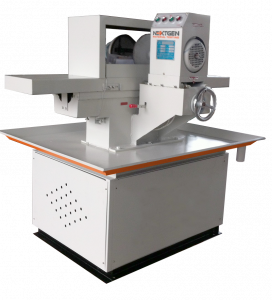
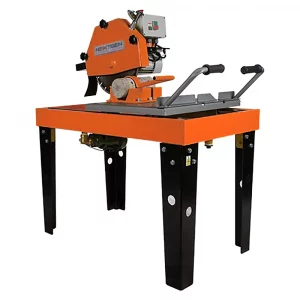
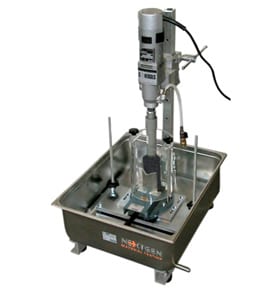
Common equipment families: core drilling rigs (with suitable diamond core bits and water management), core handling and measuring tools (calipers/length measurement and identification accessories), end-preparation equipment (core end grinding systems and/or capping systems as applicable), and compression testing machines with appropriate capacity and platens for concrete cores.
If you are selecting a compression frame, platens, and end-prep equipment around your expected core diameters and strength range, you can request a detailed quote for a configuration that fits your throughput and reporting needs.
How to Read This Designation or Revision
EN 12504-1 identifies the Part 1 document within the EN 12504 series for testing concrete in structures. The “-1” indicates the specific part focused on cored specimens and compressive strength testing.
Edition sensitivity: EN standards are commonly cited with a publication year (for example, “EN 12504-1:2019”). Some catalogues also show corrigenda using suffixes such as “+AC”. When quoting equipment or writing procedures, match the exact edition cited in the project specification.
Related Standards, Methods, or Frameworks when useful
EN 12504-1 is frequently used alongside other concrete testing and assessment standards. Depending on the project, core preparation, compression testing machinery requirements, and interpretation of results may be addressed by companion documents referenced by the specifier.
Commonly paired references: EN 13791 is often used where core results are an input to in-situ compressive strength assessment, and EN 12390 series standards are commonly used for related hardened-concrete specimen and compressive testing practices.
Get help choosing a core-testing equipment setup
If you are equipping a lab or mobile team for EN 12504-1 work, the fastest path is usually to confirm your expected core diameters, strength range, throughput, and whether you will grind or cap core ends. For application guidance and configuration options, contact our team.