DIN EN ISO 868 defines a Shore durometer method for measuring indentation hardness of plastics and hard rubber (ebonite). It is commonly used for incoming inspection, process control, and product comparison where a fast hardness number is needed.
If you are not sure which Shore scale (A vs D) or test setup best matches your material form and thickness, you can talk with our team about a configuration that fits your workflow.
DIN EN ISO 868: Plastics and ebonite — Determination of indentation hardness by durometer (Shore hardness)
This standard describes an indentation hardness test performed with a Shore durometer. The result is a Shore hardness value taken under defined contact and timing conditions.
The method is widely used as a practical, empirical hardness check for polymer materials and hard rubber products when quick, repeatable numbers are required for control purposes.
Quick Definition
What it is: A durometer-based indentation hardness method (Shore hardness) for plastics and ebonite.
Typical durometer scales: Type A for softer materials and Type D for harder materials.
Typical use: Production and quality control hardness checks rather than fundamental material-property characterization.
What This Standard Covers
DIN EN ISO 868 covers measurement of indentation hardness using Shore durometers on plastics and ebonite. It allows hardness readings taken at the initial indentation and/or after a specified dwell time (time under load), depending on how the test is requested or reported.
Because Shore hardness is an empirical measure of resistance to localized indentation, it is typically used for comparison and control, not as a direct substitute for more fundamental mechanical property testing.
Why This Standard Matters in Testing
Shore hardness is often used as a fast acceptance criterion for molded parts, extrusions, sheets, and similar polymer products. When a customer drawing, technical datasheet, or incoming inspection plan calls out “Shore A” or “Shore D,” DIN EN ISO 868 helps align how that number is produced.
For labs and production sites, the biggest practical drivers are repeatability across operators and test locations, and reducing disagreement caused by material thickness, support conditions, and inconsistent timing during the reading.
Common Materials, Product Types, or Applications Covered
DIN EN ISO 868 is commonly applied to plastics and ebonite (hard rubber), including finished goods and semi-finished forms where a Shore hardness value is used as a QC metric.
Typical product forms: Molded components, plates/sheets, blocks, and other parts that can present a stable, flat test surface for the durometer foot.
Common Test or Verification Workflow
A typical DIN EN ISO 868 workflow focuses on consistent setup and reporting rather than complex specimen machining. In most programs, the main control points are the chosen Shore scale (A or D), how the part is supported during testing, and the timing of the reading.
Common workflow steps: Select the appropriate durometer type for the expected hardness range, verify the instrument condition (often including checks against reference materials), stabilize the specimen and environment as required by your quality plan, take multiple readings at suitable locations, and report the Shore hardness with the durometer type and any specified dwell-time convention.
Equipment Commonly Used for This Standard
DIN EN ISO 868 is primarily an instrument-and-fixturing standard. The choice of durometer type and the ability to control how the device contacts the surface are the main equipment considerations.
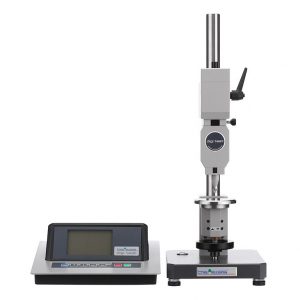
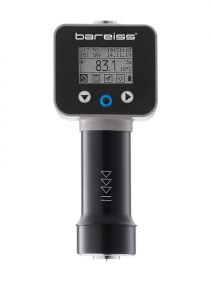
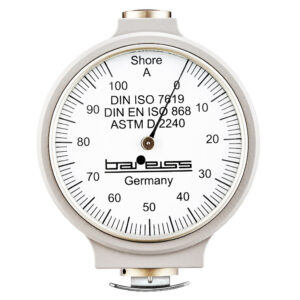
Common equipment: Shore durometer (Type A and/or Type D), durometer test stand (for more consistent force application and reduced operator influence), specimen support fixtures (to prevent flexing), and suitable verification accessories used in your QC program.
If you are selecting between handheld testing and a stand-based setup for repeatability across shifts or sites, you can request pricing for a durometer and stand package matched to your material range and throughput.
How to Read This Designation or Revision
DIN EN ISO 868 indicates a German adoption (DIN) of a European-adopted ISO standard (EN ISO). In DIN catalogs, the edition is commonly shown with a year-month issue date (for example, 2003-10).
Revision sensitivity: Test timing conventions, specimen requirements, and reporting details can vary by edition and by how a purchase specification cites the method. Match your lab procedure to the exact edition and the exact Shore scale stated in your requirement.
Related Standards, Methods, or Frameworks
Shore hardness requirements may appear alongside other hardness approaches depending on material class and buyer requirements. For softer rubber-like materials, specifications may reference other ISO hardness standards rather than relying solely on Shore indentation numbers.
Common cross-references in industry: ISO hardness standards for rubber/elastomers and durometer hardness methods used in other regional standards. When a drawing or datasheet cites multiple hardness standards, confirm the required scale and method before testing.
Get help selecting a DIN EN ISO 868 test setup
For consistent Shore A / Shore D results, the right combination of durometer type, stand (if needed), and support approach matters as much as the instrument itself. If you want a configuration aligned to your materials and reporting needs, you can request a detailed quote.