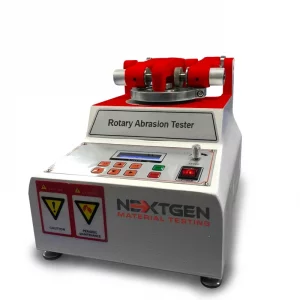
DIN 53754 is a DIN test method for evaluating the abrasion (wear) resistance of plastics using an abrasive wheel / abrasive disk style setup. Results are typically used for product durability comparisons and quality checks when surface wear from rubbing or sliding is a key performance risk.
This document has been withdrawn and replaced by DIN ISO 9352:2018-08, so purchase specs and internal test plans should be tied to the exact edition your customer or drawing calls out. If you need help matching an older DIN 53754 callout to current lab practice, you can contact our team.
DIN 53754:1977-06 — Testing of plastics; determination of abrasion (abrasive disk / abrasive wheel method)
DIN 53754 is an abrasion-resistance test method focused on controlled wear generated by abrasive media acting against a plastic test piece. It is commonly referenced when a purchaser wants a standardized, repeatable way to compare materials or surface finishes under defined abrasion conditions.
Status note: DIN 53754 is withdrawn and is replaced by DIN ISO 9352:2018-08. When DIN 53754 is still cited in a legacy requirement, confirm the required procedure details and reporting expectations before running acceptance testing.
Quick Definition
DIN 53754 is a plastics abrasion test method that measures material loss (wear) produced by abrasive wheels/disks under a defined load and number of cycles.
What This Standard Covers
DIN 53754 addresses how to generate and quantify abrasion on plastics using an abrasive wheel / abrasive paper approach under controlled conditions. The intent is to create a comparable wear result for material ranking, process control, and purchaser specifications.
Typical output: A wear/abrasion value reported as material loss after a defined abrasion exposure (commonly expressed as mass or volume loss, depending on the referenced procedure and reporting convention in the calling specification).
Why This Standard Matters in Testing
Abrasion resistance is often a practical driver for plastics used in visible, high-contact, or sliding environments (covers, housings, panels, flooring layers, coated parts, and protective components). A standardized abrasion method helps teams compare candidate materials, verify production consistency, and document performance against a contract requirement.
For procurement and QA/QC, abrasion requirements are frequently used as acceptance criteria or as a comparative screening test when field wear conditions are difficult to reproduce directly.
Common Materials, Product Types, or Applications Covered
DIN 53754 is used for plastics where surface wear is a concern, including rigid plastics and plastic-based surfaces that may experience rubbing or sliding contact.
Common use cases: Material benchmarking, surface/finish comparisons, change control (resin, filler, additive, pigment), and durability screening for customer-facing plastic parts.
Common Test or Verification Workflow
A typical DIN 53754-style workflow uses prepared test specimens that are abraded by abrasive wheels/disks under a defined force for a specified number of cycles, followed by calculating wear from the measured material loss.
Common workflow elements: Specimen preparation and cleaning, selection/conditioning of the abrasive media, set load and cycle count, optional debris extraction (vacuum pickup), and reporting of the abrasion result along with the key test conditions needed for comparison.
Equipment Commonly Used for This Standard
DIN 53754 is typically associated with a rotary abrasion platform (often referred to as a Taber-type abrasion tester) that applies abrasive wheels/disks to a rotating specimen under controlled loading.
Common equipment path: Rotary abrasion tester, abrasive wheels/disks (and/or abrasive-paper consumables as required), calibrated loading system (weights), cycle counter/controller, specimen mounting plates, and a debris removal/vacuum pickup system when required by the procedure.
If you are configuring a rotary abrasion system (machine, wheels, loads, and dust extraction) around a specific customer callout, you can request a detailed quote with your material type, target cycle count, and reporting format.
How to Read This Designation or Revision
Document identifier: DIN 53754.
Edition format: DIN 53754:1977-06 refers to the June 1977 edition.
Withdrawal/replacement: DIN 53754 is withdrawn and replaced by DIN ISO 9352:2018-08. When a drawing or purchase specification cites “DIN 53754” without a date, it is important to confirm which procedure details and reporting convention are expected before treating results as pass/fail evidence.
Related Standards, Methods, or Frameworks
In many organizations, DIN 53754 references are transitioned to DIN ISO 9352 for current practice. Abrasion requirements may also appear alongside other wear or surface-durability methods depending on the product and industry expectations.
Practical tip: When comparing results across methods, focus on using the same method, abrasive media, load, and cycle definition; abrasion numbers from different standards are not automatically interchangeable.
Talk to Us About DIN 53754 / DIN ISO 9352 Test Setup
If you are updating a legacy DIN 53754 requirement to a current DIN ISO 9352 workflow, or you need help selecting wheels, loads, and accessories to match a customer’s abrasion callout, talk with our team about your specimen type and acceptance criteria.