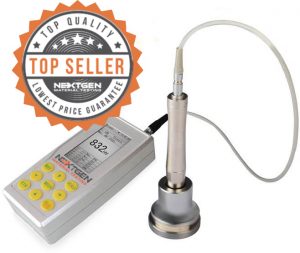
DIN 50159-1 is a DIN test method for hardness testing of metallic materials using the UCI (Ultrasonic Contact Impedance) method. It is commonly associated with portable hardness testing where a handheld probe is applied to the part surface.
If you are not sure whether UCI hardness is appropriate for your alloy, surface condition, or inspection location (shop floor vs. lab), talk with our team about the best-fit approach and supporting verification expectations.
DIN 50159-1: Metallic materials — Hardness testing with the UCI method — Part 1: Test method
DIN 50159-1 defines the test method for UCI hardness measurements. The UCI method is an ultrasonic-based indentation hardness approach frequently used for fast checks on finished components, large parts, and installed equipment where bringing a specimen to a bench hardness tester is not practical.
DIN 50159 is structured as a multi-part standard. Part 1 focuses on how the hardness test is performed, while complementary parts in the series address verification and calibration of the testing devices.
Quick Definition
Document type: Test method (Part 1 of the DIN 50159 series).
What it is used for: Hardness testing of metallic materials using the UCI (Ultrasonic Contact Impedance) method, commonly with portable UCI hardness testers.
Typical output: A UCI hardness result reported in the hardness scale supported by the instrument configuration and calibration (reporting practice depends on the instrument and the referenced edition of the standard).
What This Standard Covers
DIN 50159-1 specifies the procedure for performing hardness testing using the UCI method on metallic materials and cemented carbide. It addresses how the UCI measurement is carried out with an indenter-based ultrasonic probe and what general conditions are expected for obtaining usable readings.
Because UCI is often used directly on parts (rather than on machined lab coupons), practical factors such as surface condition, access, and part geometry can strongly influence whether UCI is a good fit for the job.
Why This Standard Matters in Testing
UCI hardness is widely selected when portability and speed matter—such as incoming inspection, in-process checks, or field verification on large components. Using a recognized method standard helps labs and QA teams align on basic expectations for how the measurement is performed and how results are supported by device verification practices.
For equipment selection, the standard is most relevant when you need a documented UCI workflow rather than an approximate “hardness spot check.” It also highlights the importance of pairing the test method with appropriate device verification and calibration practices from the DIN 50159 series.
Common Materials, Product Types, or Applications Covered
DIN 50159-1 is used for metallic materials and cemented carbide. In practice, UCI hardness testing is frequently applied to production parts and components where portable testing is beneficial, including:
- Large machined or fabricated components that are difficult to move to a bench tester
- Finished parts where a quick hardness verification is required at defined inspection points
- Field or maintenance environments where hardness checks are performed on installed equipment
- Situations where a portable indentation hardness method is preferred over rebound-based approaches
Common Test or Verification Workflow
A typical DIN 50159-1 driven workflow is centered on making repeatable probe measurements on the part surface and supporting those measurements through appropriate device checks.
Common workflow: Select the UCI probe and instrument setup appropriate for the material and access → prepare/confirm the measurement location is suitable (surface, geometry, accessibility) → take multiple readings per location as required by the inspection plan → document results and instrument identification → support the method with verification/calibration practices (commonly handled under DIN 50159-2).
Practical caution: Surface condition and part geometry can be a primary source of variability for portable indentation methods. When your acceptance decision is tight, the inspection plan should define where and how readings are taken and how the device is checked.
Equipment Commonly Used for This Standard
DIN 50159-1 most directly points to UCI hardness testing equipment and the supporting items needed to keep a portable method controlled.
Common equipment: Portable UCI hardness tester with an ultrasonic contact impedance probe/indenter assembly; supporting cables and readout unit; accessories appropriate to stable probe placement for the part geometry.
Common supporting items: Reference/verification artifacts used with the instrument’s verification routine; basic surface preparation tools as needed to achieve a suitable test spot; documentation tools for traceability (instrument ID, probe type, location mapping).
If you are equipping a QA station or building a field kit around UCI hardness, you can request a detailed quote for a configuration matched to your material range, access constraints, and verification routine.
How to Read This Designation or Revision
DIN 50159-1 identifies Part 1 of the DIN 50159 series and is the portion that covers the UCI hardness test method.
Edition format: DIN standards are commonly cited with a date code (for example, year-month). Requirements and terminology can change by edition, so purchase specifications and internal procedures should cite the exact edition being used (e.g., DIN 50159-1:2022-06).
Series note: For controlled use, the method standard is commonly paired with the series’ device verification/calibration part (DIN 50159-2), especially when results are used for acceptance decisions.
Related Standards, Methods, or Frameworks
DIN 50159 is a multi-part series for UCI hardness testing. When you are building or auditing a complete workflow, Part 1 (test method) is typically supported by the series’ device verification and calibration requirements in Part 2.
Other hardness methods (e.g., bench indentation methods and other portable approaches) may be used in parallel in a quality system, but they are not interchangeable without an agreed conversion and validation approach for the specific materials and heat treatments involved.
Talk to us about DIN 50159-1 testing capability
If you need help selecting a UCI hardness tester, probe options, and a practical verification setup aligned to your inspection plan, request pricing and configuration options for your application.