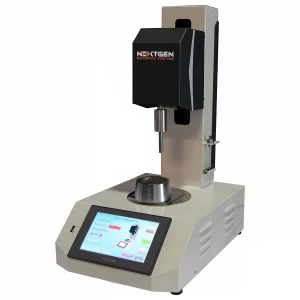
DIN 1168-2 is a legacy DIN standard for building gypsum plasters (including stucco gypsum and plaster gypsum), covering requirements along with associated testing and test equipment used to evaluate these materials.
Because this document is withdrawn and commonly encountered only in older specifications, lab setups usually need to align to the exact edition and any superseding EN requirements referenced by the project. If you are working from an older spec and need help translating it into today’s test plan, talk with our team.
DIN 1168-2:1955-03 — Building plasters (stucco and plaster gypsum) — requirements, testing and inspection equipment
DIN 1168-2 is associated with quality and laboratory testing practices for building gypsum products used in interior finishing work. In practice, it is most often referenced when a project specification, product documentation, or an internal quality plan still cites older DIN requirements for gypsum-based plasters.
This type of document typically influences how material properties are confirmed (for example, consistency and setting behavior) and what basic test apparatus is expected in a gypsum test area.
Quick Definition
Document type: Requirements-and-testing standard for building gypsum plasters (legacy / withdrawn).
What it’s used for: Defining and checking key properties of stucco gypsum and plaster gypsum using standardized lab methods and apparatus.
What to watch: The applicable method details and acceptance limits depend on the exact cited edition and any newer standards referenced by the contract or product approval route.
What This Standard Covers
DIN 1168-2 addresses building gypsum plasters, including stucco gypsum and plaster gypsum, and ties together (1) material requirements and (2) the laboratory tests and inspection equipment used to check those requirements.
Because it is a legacy DIN document, it is best treated as a specification reference: it points to what must be confirmed and how verification is performed, rather than serving as a single standalone “one-test” method.
Why This Standard Matters in Testing
Gypsum plasters are time-sensitive materials: workability and set are critical to application quality, productivity, and finishing results. When DIN 1168-2 is cited, the lab typically needs repeatable controls around mixing, timing, and simple penetration/consistency checks so that batches and suppliers can be compared on the same basis.
For quality teams, the practical value is consistency: standardized checks help separate raw material variation from process variation in mixing, water addition, and ambient conditions.
Common Materials, Product Types, or Applications Covered
DIN 1168-2 is associated with interior building gypsum materials used for finishing and plastering applications.
Common product context: Stucco gypsum and plaster gypsum used for interior plaster work and related gypsum-based building products where set/workability control is important.
Common Test or Verification Workflow
Workflows connected to DIN 1168-2 are typically routine QA/QC checks rather than high-load mechanical tests.
Common workflow pattern: Sample preparation and mixing to a defined procedure, followed by time-based measurements tied to consistency and setting behavior, then comparison to required limits in the governing specification.
Practical sensitivity: Results can be highly dependent on operator technique, timing discipline, temperature, and mixing energy. For procurement or inter-lab comparisons, controlling these variables is often as important as the instrument selection.
Equipment Commonly Used for This Standard
DIN 1168-2 is commonly associated with bench-top apparatus used to assess gypsum paste/plaster behavior during set.
Common equipment families: Vicat-type needle apparatus (manual or automatic) for penetration-based set/consistency checks, standardized molds/fixtures used with the apparatus, laboratory balances, and controlled mixing tools suitable for repeatable paste preparation.
Procurement note: When specifying equipment, the critical step is matching the project’s currently cited standard (often an EN successor) and the required configuration of needles, molds, timing/automation, and reporting outputs.
How to Read This Designation or Revision
DIN 1168-2 indicates Part 2 of the DIN 1168 series, historically addressing building gypsum plasters and related testing/equipment.
Edition format: DIN Media lists editions such as DIN 1168-2:1955-03, and indicates that this document is withdrawn. In many procurement and compliance settings, a withdrawn DIN citation is treated as a legacy reference and replaced by newer EN documents specified by the contract, product marking route, or internal standardization policy.
Related Standards, Methods, or Frameworks
DIN 1168-2 is commonly encountered alongside (or replaced by) later European standards for gypsum binders and gypsum plasters. When a project references both DIN and EN documents, the governing document is usually defined in the contract, approval documentation, or product declaration requirements.
Common successor context: EN standards for gypsum binders and gypsum plasters are frequently used as the modern reference point when DIN 1168 series documents appear in older specifications.
Get equipment configured for a DIN 1168-2 legacy requirement
If you need a Vicat-based setup (manual or automated) or a complete gypsum test station aligned to the standard cited in your spec (including modern EN successors), you can request a detailed quote with the configuration matched to your lab workflow.