ASTM E23 is a set of standard test methods for notched-bar impact testing of metallic materials using Charpy (simple-beam) and Izod (cantilever-beam) configurations.
It is commonly used when teams need a practical, comparative measure of notch toughness and brittle/ductile fracture behavior—often as part of material qualification, weld procedure work, heat treat verification, or failure investigation. If you need help matching the right striker/anvil setup and verification approach to your citation, talk with our team.
ASTM E23 — Standard Test Methods for Notched Bar Impact Testing of Metallic Materials
ASTM E23 defines how to perform notched-bar impact tests on metals and how to prepare, test, and report results for Charpy and Izod impact methods.
In addition to basic test execution, it addresses key practical elements that drive equipment configuration and lab-to-lab consistency, such as specimen requirements, machine requirements, verification of Charpy impact machines, and optional specimen configurations.
Quick Definition
Standard type: Test methods.
In simple terms: A notched metal specimen is broken with a single impact from a pendulum hammer (Charpy or Izod), and the absorbed energy and fracture appearance are commonly evaluated to understand impact toughness and notch sensitivity.
What This Standard Covers
ASTM E23 covers notched-bar impact testing of metallic materials using:
- Charpy impact testing (simple-beam configuration)
- Izod impact testing (cantilever-beam configuration)
It also includes requirements and guidance for items that strongly affect test validity and comparability, including specimen and notch requirements, test procedure and reporting expectations, impact machine requirements, and Charpy impact machine verification practices.
Temperature note: ASTM E23 includes a limitation that it does not address the problems associated with impact testing at temperatures below −196 °C (77 K).
Why This Standard Matters in Testing
Notched-bar impact testing is widely used because it provides a fast, practical way to compare how a metal behaves under a sudden load in the presence of a notch (a high-stress concentration). In many industries, Charpy results are used as part of acceptance criteria or engineering comparisons for materials and welded structures where brittle fracture risk is a concern.
From an equipment and workflow perspective, ASTM E23 matters because small differences in striker geometry, supports/anvils, specimen notch quality, test temperature control, and machine verification practices can materially change results and comparability.
Common Materials, Product Types, or Applications Covered
ASTM E23 is used broadly across metallic materials and metal product forms where impact toughness is relevant. Common applications include:
- Structural steels and low-temperature service materials
- Pipe, plate, forgings, and castings qualification
- Weld procedure qualification and weld metal / HAZ evaluation programs
- Heat treatment verification and lot-to-lot comparisons
- Failure analysis support testing (comparative screening)
Practical reminder: Many purchasing documents and codes specify a particular specimen geometry/orientation and test temperature in addition to citing ASTM E23, which can drive both fixturing and conditioning needs.
Common Test or Verification Workflow
While the official document defines the detailed requirements, a typical ASTM E23 workflow commonly includes the following high-level steps.
Common workflows: Define specimen geometry and orientation; machine/finish notches; condition specimens to the required temperature (when specified); run Charpy or Izod impacts; record absorbed energy and other required observations; document machine identification, setup, and reporting items expected by the citation.
Verification focus: ASTM E23 includes annex content related to Charpy impact machine requirements and verification, which often means labs plan periodic checks and maintain documentation that supports traceability and comparability.
Equipment Commonly Used for This Standard
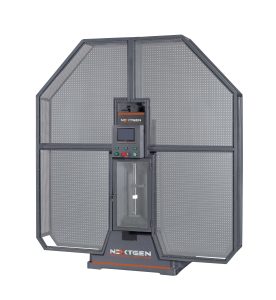
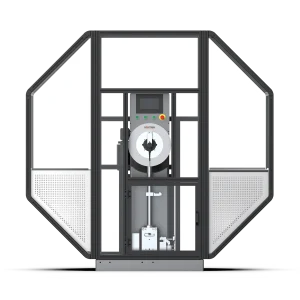
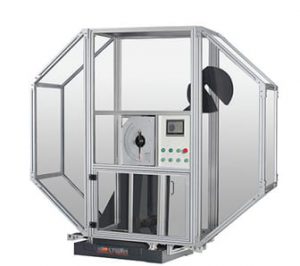
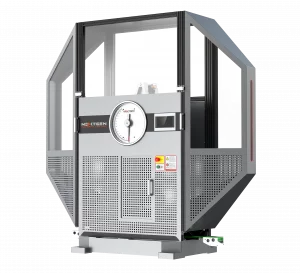
ASTM E23 most directly points to pendulum impact testing systems and the supporting preparation and conditioning equipment needed to produce consistent notched-bar results.
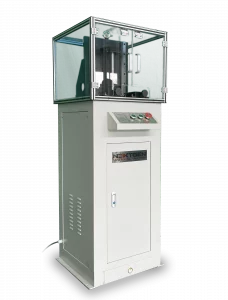
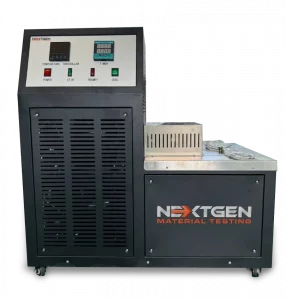
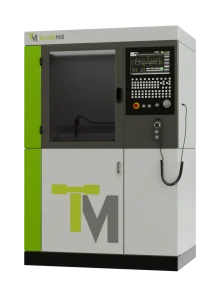
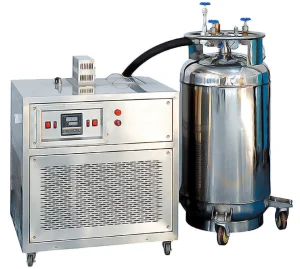
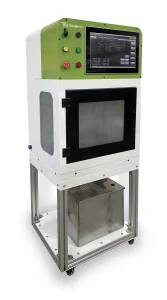
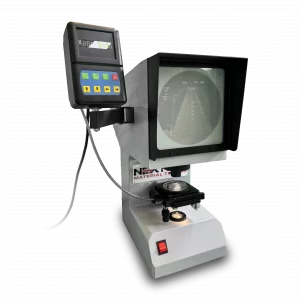
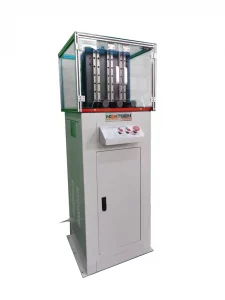
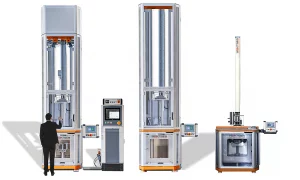
Common equipment: Charpy/Izod pendulum impact testers; appropriate strikers and anvils/support fixtures for the cited configuration; specimen notch preparation equipment; specimen temperature conditioning (as required by the test program); and tools/accessories that support alignment, safe operation, and documentation.
If you are selecting a pendulum impact system for Charpy and/or Izod work and need the right striker/anvil set, capacity, guarding, and verification approach for your internal or customer requirements, you can request a detailed quote based on the configurations you run.
How to Read This Designation or Revision
ASTM standards are commonly cited by designation and a revision year suffix (for example, ASTM E23-25). The year indicates the cited edition, and test details and annex content can change between editions.
Revision sensitivity: Impact testing results are sensitive to setup details, so procurement documents and customer specifications often require a specific cited year/edition. When quoting equipment or planning compliance documentation, match the exact ASTM E23 edition referenced in your contract or quality plan.
Related Standards, Methods, or Frameworks when useful
ASTM E23 references other ASTM documents for specific supporting topics used alongside notched-bar impact testing.
- ASTM E1823 (terminology referenced for specimen orientation designation)
- ASTM E2298 (instrumented impact testing of metallic materials, often used when force/time or force/displacement data is needed beyond absorbed energy)
Many product specifications and welding/structural requirements also reference Charpy impact testing outcomes (energy, temperature, and acceptance criteria) while pointing back to ASTM E23 for the test method details.
Get Help with ASTM E23 Equipment Configuration
If you need a Charpy and/or Izod impact testing setup aligned to how ASTM E23 is cited in your work (edition, striker/anvil configuration, temperature needs, and verification expectations), contact our team to discuss your application and lab workflow.