ASTM E2298 is a standard test method for instrumented impact testing of metallic materials using instrumented Charpy V-notch (CVN) and instrumented miniaturized Charpy V-notch (MCVN) specimens. It is commonly used when you need absorbed-energy results plus additional force- and displacement-based information from the impact event.
If you are not sure whether your current pendulum system, striker instrumentation, or data acquisition setup aligns with instrumented CVN/MCVN expectations, talk with our team about your application and the edition you are working to.
ASTM E2298 – Standard Test Method for Instrumented Impact Testing of Metallic Materials
ASTM E2298 defines requirements for running instrumented Charpy-style impact tests on metallic materials and for capturing time-history data during fracture. It is frequently used alongside conventional Charpy energy testing when labs want additional insight into fracture behavior beyond a single absorbed-energy number.
This document is a test method (not a material specification). It focuses on how to perform instrumented testing and what to record and report from an instrumented striker and measurement system.
Quick Definition
In plain terms: ASTM E2298 describes how to run instrumented CVN and MCVN impact tests on metals using a pendulum impact machine equipped to measure force (and related parameters) during the strike, in addition to reporting absorbed energy.
What This Standard Covers
ASTM E2298 addresses instrumented Charpy V-notch (CVN) and instrumented miniaturized Charpy V-notch (MCVN) impact testing of metallic materials. It includes minimum requirements for measurement and recording equipment so that instrumented absorbed energy measurements are comparable in sensitivity to absorbed-energy measurements associated with standard Charpy methods.
The method is used to collect instrumented absorbed energy and to derive additional characteristic values from the recorded signal (for example, force-based and partial-energy parameters) that can help characterize fracture behavior as a function of temperature and material condition.
Why This Standard Matters in Testing
Instrumented impact testing can provide an independent instrumented absorbed-energy measurement for machines that also have traditional energy readouts (for example, a dial or optical encoder). In addition, the instrumented signal enables labs to evaluate characteristic forces and partial-energy/displacement parameters that may support engineering decisions around transition behavior, fracture initiation/arrest indicators, and data quality screening.
Because instrumented data can also help flag suspect tests (such as those influenced by misalignment or other critical test factors), ASTM E2298 is often used in quality-focused programs where traceability and test validity are emphasized.
Common Materials, Product Types, or Applications Covered
ASTM E2298 applies broadly to metallic materials evaluated using instrumented CVN or MCVN impact specimens. It is commonly encountered in metals testing programs where impact toughness and transition behavior are important and where additional detail beyond total absorbed energy is requested.
Common application drivers: Instrumented Charpy data for comparative studies across temperature, heat treatment, weld procedure qualification support work, R&D fracture behavior characterization, and investigations where additional fracture-event parameters are useful.
Common Test or Verification Workflow
ASTM E2298 is typically used as part of a Charpy impact testing workflow where the lab prepares CVN or MCVN specimens, conditions them to a required test temperature, and performs pendulum impacts while collecting instrumented striker data during the event.
Common workflow steps: Select specimen type (CVN vs MCVN) → verify impact machine readiness and instrumented striker/data acquisition functionality → run impacts across the required temperature set → report instrumented absorbed energy and applicable instrumented parameters (as required by the customer, contract, or test plan).
Equipment Commonly Used for This Standard
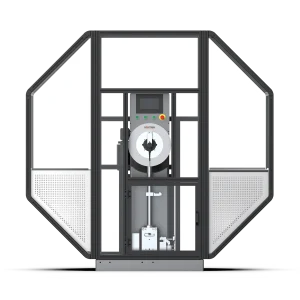
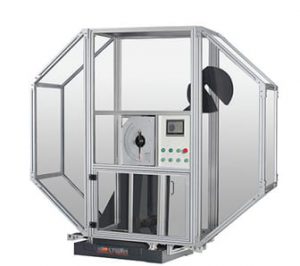
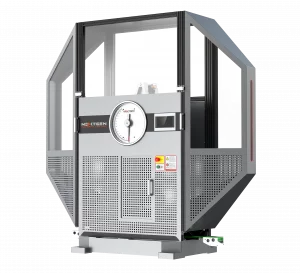
ASTM E2298 is equipment-oriented in that it depends on an impact test machine capable of Charpy testing plus an instrumentation package that records the force-time (and related) response of the striker during impact.
Common equipment families: Pendulum impact testers configured for Charpy testing; instrumented strikers (typically strain-gaged) and associated signal conditioning; data acquisition and analysis software for instrumented impact curves; specimen temperature conditioning equipment appropriate to the required test temperatures.
Quoting and configuration often depend on specimen size (CVN vs MCVN), the force range/resolution needs, how the lab intends to calculate and report instrumented parameters, and how instrumented results will be correlated with the machine’s absorbed-energy readout when applicable. If you are comparing striker packages or DAQ/software options, you can request a detailed quote for an instrumented Charpy setup matched to your workflow.
How to Read This Designation or Revision
ASTM standards are commonly cited by designation and a suffix year (for example, ASTM E2298-25). The suffix year identifies the specific year-version being referenced, which matters because equipment, setup expectations, calculations, and reporting details can change between revisions.
Revision sensitivity: Always confirm the exact cited year/version in customer, code, or contract requirements before finalizing an instrumented striker configuration, data processing approach, or reporting template.
Related Standards, Methods, or Frameworks
ASTM E2298 is closely tied to Charpy impact testing practice and is commonly used in environments that also reference conventional Charpy and miniaturized Charpy methods.
Common related ASTM standards: ASTM E23 (Notched Bar Impact Testing of Metallic Materials) and ASTM E2248 (Impact Testing of Miniaturized Charpy V-Notch Specimens). The exact combination to cite depends on whether the program is full-size CVN, MCVN, and whether instrumentation is required or optional in the governing test plan.
Get help selecting an instrumented Charpy setup for ASTM E2298
If you need to configure or upgrade a pendulum impact system for instrumented CVN/MCVN testing, we can help you align striker instrumentation, DAQ/software, and accessories to your cited ASTM E2298 edition—request pricing for an equipment package and recommended options.