ASTM E10 is a standard test method for determining Brinell hardness of metallic materials using an indentation hardness approach. It defines core requirements for Brinell hardness testing machines and outlines procedures used to generate Brinell hardness values for material verification and production control.
Because Brinell hardness results are sensitive to test force, indenter, measurement approach, and verification practices, labs typically align the test setup to the exact E10 edition cited on drawings, purchase specs, or internal control plans. If you need help matching E10 requirements to your parts, materials, or tester configuration, talk with our team.
ASTM E10 — Standard Test Method for Brinell Hardness of Metallic Materials
ASTM E10 is used when a Brinell hardness number is required for metallic materials, either for acceptance testing, incoming inspection, process control, or material selection. It also includes verification-related requirements that influence how a Brinell hardness tester is maintained and checked over time.
In addition to “bench” or floor-model Brinell hardness testers, E10 also addresses portable Brinell hardness testing machines that measure hardness by the Brinell test principle and can meet the standard’s verification requirements. Portable devices that cannot meet the direct verification requirements are generally handled under ASTM E110 instead.
Quick Definition
ASTM E10 defines how to measure Brinell hardness on metallic materials by pressing a ball indenter into the surface under a specified force, measuring the indentation, and reporting a Brinell hardness value while meeting specified machine, indenter, and verification requirements.
What This Standard Covers
ASTM E10 covers Brinell hardness testing for metallic materials using the Brinell indentation hardness principle. It includes requirements for the Brinell testing machine and procedures for performing Brinell hardness tests.
ASTM E10 also includes additional content focused on verification and standardization topics (such as verification of Brinell hardness testing machines, standardizing machines, indenters, and test blocks), plus nonmandatory informational material such as reference tables and examples related to uncertainty.
Why This Standard Matters in Testing
Brinell hardness is widely used to support practical decisions in manufacturing and quality systems, including acceptance testing of shipments and ongoing process control. Hardness values can also be used as a fast, production-friendly indicator that may correlate with other performance characteristics (for example, strength or wear behavior), depending on the alloy and condition.
For equipment planning, E10 matters because it ties the reported hardness value to machine capability, measurement method, and verification practices. A tester that is “close enough” mechanically may still be unsuitable if it cannot support the required verification approach, indentation measurement system, or reporting detail expected by your customer or internal procedures.
Common Materials, Product Types, or Applications Covered
ASTM E10 applies to metallic materials across a wide range of forms where Brinell hardness is specified, including castings, forgings, plate, bar, and finished or semi-finished components. It is commonly referenced where indentation hardness testing is preferred for production checks, where a larger indentation is acceptable, or where the test method is used for comparability with legacy Brinell specifications.
Typical use cases include incoming material verification, heat treat checks, and acceptance testing where Brinell hardness values are part of a purchasing requirement or a drawing callout.
Common Test or Verification Workflow
ASTM E10 is a full test method, but in practice it is often implemented as a controlled workflow that links testing, verification, and reporting.
Common workflow: Select the applicable Brinell scale/test condition required by the product specification; prepare and support the test surface; perform the indentation with the specified force and indenter; measure the indentation using an appropriate measuring device; calculate and report hardness with the required identifiers; and maintain ongoing verification using suitable reference blocks and verification intervals aligned to the lab’s quality system.
Verification emphasis: E10 includes requirements that affect how the tester, indenter, and measurement system are checked. Many labs treat verification readiness (and traceability of reference artifacts) as a key part of “meeting E10,” not just producing a hardness number.
Equipment Commonly Used for This Standard
ASTM E10 is equipment-driven: the machine’s force application, indenter condition, and the indentation measurement approach all influence whether results are suitable for acceptance testing and for comparison across sites.
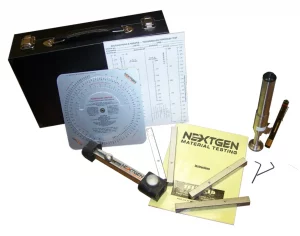
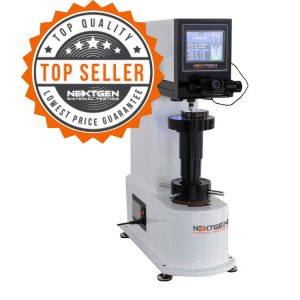
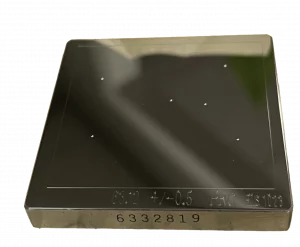
Common equipment families: Brinell hardness testing machines (benchtop or floor model); ball indenters (commonly tungsten carbide ball indenters); anvils and part supports; indentation measurement devices (optical or imaging-based, depending on tester design); and certified Brinell hardness test blocks used for verification activities.
Portable testing: If you intend to test large/heavy parts in place, portable Brinell systems may be appropriate when they can meet the E10 requirements (including verification expectations). When a portable unit cannot meet the direct verification requirements, ASTM E110 is commonly referenced for that portable-testing use case.
Quoting caution: Brinell tester selection is typically driven by the Brinell scales you need to run (force capability), the indenter/measurement configuration, available throat depth and anvil options for your part geometry, and your required verification approach. Specify the exact E10 edition and the hardness conditions your procedure must support before finalizing equipment configuration.
How to Read This Designation or Revision
Designation: “ASTM E10” identifies the test method for Brinell hardness of metallic materials.
Revision year: A suffix such as “ASTM E10-23” indicates the year-based revision associated with that edition. In many procurement and QA contexts, the edition year matters because verification language, reporting expectations, and accepted equipment approaches can change between revisions.
Practical tip: When a drawing or purchase specification cites “ASTM E10” without a year, align internally on which edition governs your testing and reporting, and document that decision in the test procedure.
Related Standards, Methods, or Frameworks
ASTM E10 commonly appears alongside other indentation hardness and lab-practice references, depending on what your customer requires and how your quality system is written.
Often associated references: ASTM E110 (portable Rockwell and Brinell hardness by portable testers), ASTM E140 (hardness conversion tables for metals), and ASTM E384 (microindentation hardness testing), plus supporting practices referenced for reporting or measurement discipline in many labs (for example, significant digits and force verification practices).
Get help selecting a Brinell hardness testing setup for ASTM E10
If you are specifying a new Brinell hardness tester (or upgrading optics/automation, anvils, or verification accessories), you can request a detailed quote for an ASTM E10-focused configuration that matches your materials, part geometry, and verification workflow.