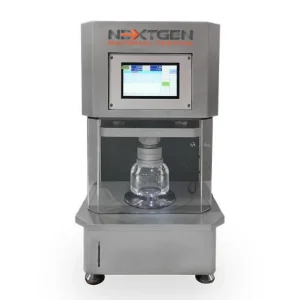
ASTM D751 is a collection of test methods used to evaluate coated fabrics, including rubber-coated fabrics such as tarpaulins, rainwear, and related products.
Because ASTM D751 contains multiple procedures (strength, tear, hydrostatic resistance, adhesion, low-temperature performance, seam testing, and more), the exact equipment and setup depend on which section is specified by your customer, drawing, or internal QA plan. If you need help matching a product requirement to the right D751 procedure, talk with our team.
ASTM D751 — Standard Test Methods for Coated Fabrics
ASTM D751 is a “test methods” document (plural), meaning it provides a menu of standardized procedures that may be called out individually. In procurement specs and supplier quality documents, it is often used to define how coated-fabric properties are measured and reported for acceptance, comparison, or process control.
What it is: A set of standardized laboratory test methods for coated fabrics.
What it is not: A single bench test with one universal specimen shape, one fixture, and one required machine configuration.
Quick Definition
ASTM D751 is used to measure key physical and performance properties of coated fabrics (including rubber-coated fabrics), using defined procedures selected from the standard’s sections.
What This Standard Covers
ASTM D751 covers coated fabrics and includes procedures used to measure a range of properties, from basic physical characterization through mechanical strength and barrier-related performance. The standard’s scope indicates it applies to rubber-coated fabrics such as tarpaulins, rainwear, and similar products, and notes that each method’s detailed scope is provided within the relevant section.
Examples of method areas included within ASTM D751: Dimensions and mass; breaking strength (grab and cut-strip approaches); elongation; bursting strength (ball burst and diaphragm burst); puncture resistance; tearing strength (including pendulum and tongue-tear approaches); trapezoidal tear; hydrostatic resistance (including Mullen-type and rising-water-column approaches); coating-to-fabric adhesion; coating strength; low-temperature bend/impact/crack resistance; seam strength and dead-load seam strength; heat aging (oven method); blocking resistance at elevated temperatures; crush resistance; and wicking of coated cloth.
Why This Standard Matters in Testing
Coated fabrics often fail in ways that are specific to the composite structure (textile reinforcement + coating), such as coating delamination, seam failure, leakage under hydrostatic pressure, or cracking at low temperature. ASTM D751 provides commonly specified procedures to quantify these risks so suppliers and end users can compare materials and control production variability.
For labs and QA/QC teams, the practical challenge is selecting the correct D751 section and aligning the specimen direction (machine direction/cross direction where applicable), conditioning, and reporting expectations to the purchase specification.
Common Materials, Product Types, or Applications Covered
ASTM D751 is commonly referenced for coated-fabric products where waterproofing, durability, and mechanical integrity are important, including rubber-coated fabrics used in protective covers and weather-exposed goods.
Common product examples: Tarpaulins, rainwear, and other rubber-coated or polymer-coated fabric constructions where seam performance, hydrostatic resistance, tear resistance, puncture resistance, and coating adhesion may be acceptance requirements.
Common Test or Verification Workflow
ASTM D751 is typically used as a requirements-driven workflow: a spec cites ASTM D751 and then calls out one or more specific procedures from within the standard (for example, a hydrostatic resistance procedure plus an adhesion procedure plus one tensile/tear approach).
Common workflow pattern: (1) identify the required D751 section(s) and specimen direction(s), (2) prepare specimens and seams as required by the cited procedure, (3) condition specimens when required by the lab plan or the cited section, (4) run the selected tests (strength/tear/burst/hydrostatic/adhesion/low-temperature/seam, etc.), and (5) report results in the units and format expected by the purchasing or regulatory requirement.
Practical caution: Different D751 procedures can drive very different fixtures, force ranges, and instrumentation—confirm the exact procedure letter/name (not just “ASTM D751”) before finalizing equipment or quoting test capacity.
Equipment Commonly Used for This Standard
Equipment selection for ASTM D751 depends on which test methods are being performed. Many of the mechanical procedures can be supported by a universal testing machine (UTM) when paired with the correct grips and fixtures, while barrier or environmental procedures may require dedicated instruments.
Common equipment families: Universal testing machines (for tensile/breaking strength, elongation, many tear/adhesion-related pull tests); appropriate grips and fixtures (fabric grips, tear fixtures, peel/adhesion fixtures, seam fixtures); bursting strength testers (ball burst or diaphragm burst setups); hydrostatic resistance testers (Mullen-type or rising-water-column systems); puncture fixtures; thickness/dimension measurement tools; specimen cutting dies/templates; calibrated balances for mass per unit area; and temperature-conditioning or low-temperature test capability when low-temperature procedures are required.
Quoting tip: To size a system correctly, it helps to know the maximum expected force, specimen thickness/stiffness, required travel/extension measurement needs, and whether hydrostatic or low-temperature performance is in scope.
How to Read This Designation or Revision
ASTM standards are commonly cited by their designation and revision year (for example, ASTM D751-19). The year suffix identifies the edition of the document being referenced, which can matter for method details, allowed alternatives, and reporting expectations.
On some ASTM catalog pages, the designation may appear with a leading zero (for example, D0751-19) while the standard is commonly referenced as D751-19 in specifications.
Revision sensitivity: If a customer or agency requirement cites a specific year (or requires “latest”), align your test plan, equipment configuration, and report language to that cited edition.
Related Standards, Methods, or Frameworks when useful
ASTM D751 is often used alongside product specifications for coated-fabric goods that set minimum performance thresholds (for example, for waterproofness, tear resistance, seam integrity, or low-temperature performance). When a requirement references multiple standards, confirm whether ASTM D751 is being used for all properties, or only for certain sections while other properties are assigned to different referenced methods.
Get help selecting an ASTM D751 test setup
If you are building or upgrading coated-fabric test capability around specific ASTM D751 procedures (tensile/tear, adhesion, seam strength, burst, hydrostatic resistance, or low-temperature performance), you can request a detailed quote for a configuration that matches the method section(s) you need to run.