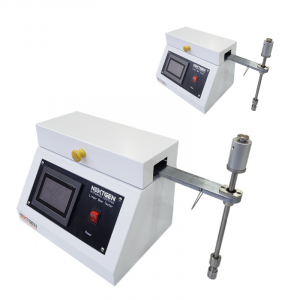
ASTM D6279 is a standard test method used to compare the rub abrasion and mar resistance of high-gloss coatings applied to a flat, rigid surface. It is commonly used when appearance retention matters and surface wiping, cleaning, or handling can create visible gloss loss.
The method includes both dry-rub and wet-rub procedures and evaluates mar damage by measuring gloss before and after abrasion. If you need help aligning your coating system, panel preparation, and gloss measurement approach to the edition you are citing, you can talk with our team.
ASTM D6279-20 Standard Test Method for Rub Abrasion Mar Resistance of High Gloss Coatings
ASTM D6279 is written to rank or compare high-gloss coating systems based on how well they retain gloss after controlled rubbing abrasion. Results are primarily comparative (relative) and are typically used to screen formulations, compare suppliers, or qualify a process change using consistent panel preparation and measurement practices.
Quick Definition
Rub-abrasion mar test for high-gloss coatings where surface damage is quantified by gloss change between an abraded area and an unabraded reference area.
What This Standard Covers
This test method covers procedures to evaluate mar resistance of a high-gloss coating on a flat, rigid panel using both dry rub and wet rub abrasion approaches.
- Test modes: Dry rub abrasion and wet rub abrasion (both are commonly run to better characterize performance).
- Specimen type: High-gloss coatings applied to a flat, rigid surface (test panels).
- Primary measurement: Change in gloss between unabraded and abraded areas to indicate mar resistance.
Why This Standard Matters in Testing
High-gloss coatings can look “worn” even when film thickness remains intact, because fine micro-scratches and surface disturbance reduce specular gloss. ASTM D6279 provides a controlled way to compare how different coating systems handle rubbing contact such as wiping, cleaning, and routine handling during manufacturing and in service.
Because the method is designed for relative comparisons, consistent panel preparation, curing, and measurement practices are critical when you are trending results over time or comparing results between sites.
Common Materials, Product Types, or Applications Covered
ASTM D6279 is most often associated with high-gloss coating systems where appearance retention is a key requirement.
- Automotive and transportation finishes (high-gloss clearcoats and topcoats)
- Marine and recreational products (gloss finishes exposed to cleaning and wiping)
- Consumer products and durable goods (toys, housings, trim, high-gloss painted components)
- Any coated rigid panel system where rub/contact mar is a common failure mode
Common Test or Verification Workflow
A typical ASTM D6279 workflow focuses on generating comparable, repeatable gloss change data across a set of coating systems or process conditions.
Common workflow: Prepare coated rigid panels to a defined application and cure schedule; measure initial gloss in the intended measurement area; perform controlled dry rub and/or wet rub abrasion for a defined number of rub cycles; measure final gloss in the abraded area and compare to an unabraded reference area; report gloss change or gloss retention for ranking.
Practical tip: When results will be shared across labs, align on the same glossmeter geometry and calibration approach, and consider running a common control panel to support meaningful comparisons.
Equipment Commonly Used for This Standard
ASTM D6279 typically points to two equipment needs: a controlled rubbing/abrasion device to create repeatable mar, and a gloss measurement instrument to quantify the appearance change.
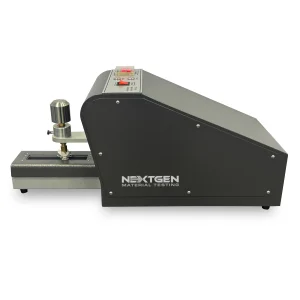
- Rub abrasion / mar tester: A controlled rubbing apparatus (often a reciprocating rub tester) with a fixture to hold flat panels and apply consistent contact force.
- Loads and contact materials: Specified weights and rub media (pads, cloth, or other contact materials) used to generate the abrasion/mar action; wet testing also requires the defined liquid application approach.
- Gloss measurement: A calibrated glossmeter suitable for the gloss range of the coating, with a stable measurement setup to repeat readings in the same locations.
- Panel prep support: Film application and curing controls (drawdown/applicator tools, ovens or controlled cure environments where applicable), plus masking/marking tools to define test and reference areas.
If you are equipping a lab for D6279 work, the best configuration depends on the coating type, target gloss range, and whether you need both wet and dry rub capabilities. For purchase-driven questions like tester configuration, panel fixturing, and glossmeter selection, you can request a detailed quote tailored to your workflow.
How to Read This Designation or Revision
“D6279” is the ASTM fixed designation for this test method. A suffix year (for example, “D6279-20”) indicates the year of the cited edition.
Revision sensitivity: Equipment setup details, rub media definitions, cycle definitions, and reporting expectations can change by edition. Match your test plan, purchasing documents, and customer requirements to the exact year/version referenced in your specification.
Related Standards, Methods, or Frameworks
ASTM D6279 is often discussed alongside other coating mar and abrasion approaches, especially when higher discrimination is needed for very mar-resistant surfaces.
- ASTM D6037: Dry abrasion mar resistance of high-gloss coatings (often referenced as an alternative approach for dry mar evaluation in certain scenarios).
- ASTM D523: Specular gloss measurement (commonly used in coating workflows when gloss is the reporting metric).
Get help selecting a D6279-ready test setup
If you are building or upgrading a coating appearance lab and need a practical equipment path for rub abrasion plus gloss measurement, we can help map your cited ASTM D6279 edition to a complete setup. Share your coating type, panel size, and whether you need wet rub, dry rub, or both, and ask for a quote on a configuration that fits your throughput and repeatability targets.