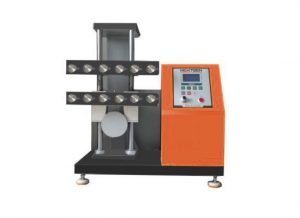
ASTM D430 describes test methods used to evaluate how soft rubber materials (and rubber-to-fabric composites) resist damage from repeated flexing or distortion. It is commonly used to compare compounds or constructions for fatigue-related failure modes such as surface cracking, rupture, or ply/interface separation.
If you are not sure whether your product should be evaluated for surface cracking versus rubber-fabric separation, or how to align your test plan to the cited edition, talk with our team about your application.
ASTM D430 — Standard Test Methods for Rubber Deterioration—Dynamic Fatigue
ASTM D430 is a test methods document focused on dynamic (repeated) distortions that rubber articles experience in service. Rather than predicting exact service life, it provides a structured way to generate comparative fatigue performance data for rubber materials and rubber-fabric composites.
Because dynamic fatigue outcomes depend strongly on how the specimen is strained (bending vs extension) and on the chosen endpoint (cracking vs separation), equipment configuration and method selection should be aligned to the specific D430 procedure referenced by your customer or internal specification.
Quick Definition
ASTM D430 covers laboratory procedures that estimate a soft rubber material’s resistance to dynamic fatigue from repeated distortion, including fatigue responses seen as surface cracking, rupture, or rubber-to-fabric separation.
What This Standard Covers
ASTM D430 is organized around dynamic fatigue tests intended to simulate repeated distortions that can occur during real use. The standard describes two broad outcome types:
- Type I: methods intended to create separation in rubber-fabric combinations through controlled bending.
- Type II: methods intended to create cracking on the surface of rubber through repeated bending or extension.
The standard is intended for comparative evaluation. It does not claim a direct, universal correlation between the laboratory result and service performance because service conditions vary widely.
Why This Standard Matters in Testing
Many rubber products fail under repeated deformation long before they fail in a single static test. ASTM D430 is used when a buyer, OEM, or internal QA requirement needs evidence that a rubber compound or rubber-fabric construction can withstand cyclic distortion without unacceptable cracking, tearing, or interfacial separation.
It is also a practical screening tool during formulation changes (polymer selection, filler package changes, cure changes, adhesion system changes) where fatigue sensitivity may be higher than changes seen in tensile strength or hardness alone.
Common Materials, Product Types, or Applications Covered
ASTM D430 is commonly associated with rubber articles that see repeated flexing or distortion in service, including:
- Tires and tire-related rubber components
- Belts and rubber-textile composite constructions
- Footwear-related rubber components
- Molded rubber goods subjected to repeated bending or deflection
It is especially relevant when a construction includes rubber bonded to flexible reinforcements (such as fabric) and separation resistance is a concern.
Common Test or Verification Workflow
While exact details depend on the D430 procedure being run, most ASTM D430 workflows follow this pattern:
- Define the failure mode of interest: rubber-fabric separation (Type I) or surface cracking from repeated strain (Type II).
- Select the specimen form: molded/cut rubber specimens or composite specimens representative of the construction under evaluation.
- Run cyclic deformation: repeated bending and/or extension at defined conditions for a set number of cycles or until a defined endpoint is reached.
- Evaluate damage: crack initiation/propagation observations, rupture, or evidence/degree of separation for composites.
- Report for comparison: use the results to rank materials, constructions, or process changes under the same method conditions.
Revision sensitivity: dynamic fatigue methods can be sensitive to specimen geometry, strain setting, and the chosen endpoint definition, so the exact cited edition matters when matching legacy requirements.
Equipment Commonly Used for This Standard
ASTM D430 points to a class of dynamic fatigue / flex-fatigue test systems that repeatedly deform rubber specimens under controlled motion and cycle counting.
Common equipment families: Flex fatigue testers (often configured as De Mattia-style flexing machines), cycle counters/controls, and fixtures or grips appropriate to the specimen type (rubber-only vs rubber-fabric composites).
When you are specifying equipment, the most important practical choices are typically the strain mode (bending vs extension), the fixture set for the specimen style you need to run, and the endpoint evaluation workflow your lab uses (visual crack rating, separation assessment, or pass/fail at a specified cycle count).
If you are equipping a lab for routine flex-fatigue screening or incoming QA checks, you can request a detailed quote based on the specimen style, throughput, and control features you need.
How to Read This Designation or Revision
ASTM identifies the active standard as ASTM D430-06(2025). In practice, customers may cite ASTM D430 using this full format (including the year and any parentheses shown in the citation) or may reference “ASTM D430” without the year when the contract documents define edition control elsewhere.
For procurement and compliance work, match the exact designation as cited in your purchase order, customer drawing, or internal control plan, since fixtures, settings, and reporting expectations can vary when editions change.
Related Standards, Methods, or Frameworks
Depending on whether you are focused on crack growth, flex cracking, or fatigue life characterization under different strain conditions, labs may also reference other rubber fatigue-related methods alongside ASTM D430.
Commonly cited alongside flex-fatigue work: ASTM D813 and ASTM D4482 (often used to complement fatigue screening and flex-related performance characterization).
Get help selecting a D430-capable fatigue setup
If you are standardizing a flex-fatigue method across multiple materials or sites, we can help you align the fixture set, control features, and sample workflow to your cited ASTM D430 procedure—contact our team to discuss your requirements.