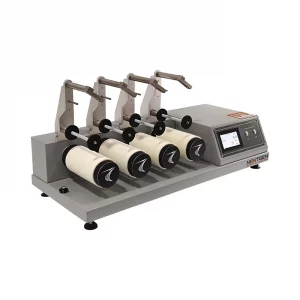
ASTM D3939/D3939M-2013 (2017) is a textile test method used to evaluate the snagging resistance of woven and knitted fabrics using the “mace” (spiked ball) snagging approach.
It is commonly used for apparel and home-furnishings fabrics where surface pulls and loops are a durability and appearance concern. If you need help confirming whether this method fits your fabric type and end-use, talk with our team about your application.
ASTM D3939/D3939M-2013 (2017) — Standard Test Method for Snagging Resistance of Fabrics (Mace)
ASTM D3939/D3939M describes a controlled laboratory procedure for producing snags on fabric specimens and then rating the resulting surface defects. The intent is to support product comparison and in-process quality control where snagging performance matters.
Quick Definition
Document type: Standard test method.
What it measures: A fabric’s tendency to develop visible snags (pulls/loops) when exposed to a repeatable snagging action created by a rotating mace.
Typical output: A snagging rating/grade based on visual evaluation (often using agreed reference standards or rating images within the lab’s procedure).
What This Standard Covers
This method is focused on snagging resistance of fabrics using the mace-type tester. In practice, it is applied to many woven and knitted constructions made from filament and/or spun yarns.
It is generally not intended for certain fabric types where the mace approach is not appropriate (for example, very open constructions, very heavy/stiff constructions that cannot be properly mounted on the drum, or constructions outside the intended apparatus design).
Why This Standard Matters in Testing
Snagging can be a primary customer complaint because it affects both appearance and perceived durability. ASTM D3939/D3939M provides a repeatable way to generate comparable snagging damage, helping labs and product teams screen materials, compare constructions/finishes, and monitor production consistency.
This method is commonly used as a comparative tool (for example, fabric-to-fabric comparisons, finish development, or internal specifications) rather than a stand-alone predictor of field wear for every end-use scenario.
Common Materials, Product Types, or Applications Covered
ASTM D3939/D3939M is commonly applied where snagging risk is expected during use and handling, such as:
- Apparel fabrics (knits and wovens) where surface pulls are a concern
- Home-furnishing fabrics (selected woven/knit categories)
- Product development comparisons for yarn type, fabric construction, or finishing changes
- Quality control checks against an internal benchmark fabric or rating standard
Common Test or Verification Workflow
Most lab workflows built around this standard follow a straightforward pattern:
Common workflows: Condition specimens as required by the lab’s textile practice, mount fabric smoothly on a padded drum, expose the specimen to a defined snagging action using a rotating mace, then visually evaluate and record snagging severity using an agreed rating approach.
Practical tip: Visual rating consistency (lighting, viewing distance, and rater training) can strongly influence results, so many labs standardize the viewing setup and keep internal reference standards for day-to-day grading.
Equipment Commonly Used for This Standard
This standard is closely associated with mace-type snagging instruments designed to reproduce the standard’s snagging action and specimen mounting style.
Common equipment: ICI/Mace snag tester (drum-style instrument), specimen mounting drum(s) and padding system, specimen cutting templates (lab-defined), and controlled viewing/lighting for visual evaluation.
If you are matching an instrument configuration to your fabric categories and throughput needs, you can request a detailed quote for a mace snag testing setup and options.
How to Read This Designation or Revision
D3939/D3939M: Indicates the ASTM designation for this method, presented in a combined format that supports both inch-pound and SI unit conventions (the “M” indicates metric/SI usage in the combined standard format).
-2013 (2017): “2013” indicates the revision year in the citation format used here, and “(2017)” indicates a reapproval year in parentheses.
Revision sensitivity: Test details, referenced documents, and reporting expectations can change between editions. Always align the instrument setup and internal SOP to the exact year/version cited in your customer, brand, or procurement requirement.
Related Standards, Methods, or Frameworks when useful
Depending on fabric type and end-use, other snagging-related methods may be referenced alongside or instead of the mace approach. ASTM D3939/D3939M is also commonly discussed in context with alternative snagging evaluations for specific constructions (for example, open constructions or certain pile products where a different method may be more appropriate).
Get help selecting the right snagging test setup
If you are unsure whether ASTM D3939/D3939M is the best match for your fabric construction, reporting expectations, or customer specification, contact our team and we’ll help you narrow the method and equipment approach.