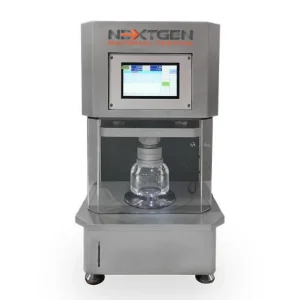
ASTM D3786/D3786M is a standard test method for measuring the bursting strength of textile fabrics using a diaphragm bursting strength tester (hydraulic or pneumatic). It is commonly used to compare fabric lots, qualify materials, and support routine quality control for woven, knitted, and nonwoven textiles.
If you are unsure whether the diaphragm method is the right choice for your fabric type or required performance claim, talk with our team about the standard, the right method selection, and the test setup typically used in production and lab workflows.
ASTM D3786/D3786M: Standard Test Method for Bursting Strength of Textile Fabrics—Diaphragm Bursting Strength Tester Method
This standard describes a burst test where a clamped fabric specimen is stressed by an expanding diaphragm until rupture. The reported result is used as an index of resistance to bursting for many textile end uses, and it is frequently specified for acceptance testing and comparative evaluation of textile materials.
Quick Definition
ASTM D3786/D3786M measures how much pressure a clamped textile fabric can withstand as a diaphragm expands against it until the specimen bursts.
What This Standard Covers
ASTM D3786/D3786M covers bursting strength testing using a diaphragm bursting strength tester. The scope includes testing with either hydraulic or pneumatic systems, and it is described as generally applicable to a wide variety of textile products.
The standard also notes that some materials may exceed an instrument’s usable range and that alternative burst methods may be appropriate in those cases.
Why This Standard Matters in Testing
Bursting strength is often used when a fabric may be loaded in multiple directions in service, or when a single-direction tensile test does not reflect how the construction fails. For many labs, ASTM D3786/D3786M supports incoming inspection, process control, and supplier/customer acceptance decisions where a consistent, repeatable burst method is needed.
Because results can be sensitive to clamping, specimen conditioning, and instrument setup, it is important that the tester configuration and the cited standard edition align with the requirement being flowed down from a customer specification or internal control plan.
Common Materials, Product Types, or Applications Covered
This method is used across knitted, woven, and nonwoven fabrics. It may also be used for stretch woven and certain woven industrial fabrics (the standard includes inflatable restraints as an example use case).
Typical lab use cases: comparative evaluation of fabric constructions, lot-to-lot quality checks, and acceptance testing for bursting strength requirements.
Common Test or Verification Workflow
Most workflows based on ASTM D3786/D3786M follow a practical sequence: prepare and condition specimens as required, clamp the fabric securely over the diaphragm, and apply pressure so the diaphragm expands until the specimen ruptures.
Common reported outcome: bursting strength (pressure at rupture), reported in SI or inch-pound units depending on the specified requirement and the tester configuration.
Equipment Commonly Used for This Standard
ASTM D3786/D3786M points to a diaphragm bursting strength tester, using either a hydraulic or pneumatic pressurization approach. In addition to the main instrument, consistent clamping and pressure measurement are central to obtaining usable, comparable results.
Common equipment elements: diaphragm bursting strength tester (hydraulic or pneumatic), clamping assembly/rings, pressure measurement and control system, specimen cutting tools/templates, and conditioning capability appropriate for textile testing.
If you are outfitting a lab or replacing an older “Mullen-style” burst tester and need to match capacity, control, or reporting expectations, you can request a detailed quote for an ASTM D3786/D3786M-oriented configuration.
How to Read This Designation or Revision
D3786/D3786M: The combined designation indicates the standard is published with both inch-pound and SI unit systems; the standard notes that the two unit systems are to be used independently (not mathematically combined).
Suffix years (example: -18): The number after the dash typically reflects the year of that version’s publication or last revision.
Reapproval markings (example: R23 or (2023)): Some listings show a reapproval year associated with an existing edition. When a purchase order or customer document cites a specific edition, test setup and reporting should follow that exact cited version.
Related Standards, Methods, or Frameworks
ASTM D3786/D3786M is the diaphragm bursting method. Other burst approaches may be referenced for different mechanisms or higher-range needs.
Related ASTM methods named within the D3786/D3786M scope notes: ASTM D3787 (ball burst mechanism) and ASTM D6797 (alternative burst method referenced when materials may exceed an instrument’s range).
Get help selecting an ASTM D3786/D3786M test setup
If you are specifying a new diaphragm bursting strength tester or aligning an existing system to a customer requirement, request pricing for a configuration matched to your material type, expected burst range, and reporting needs.