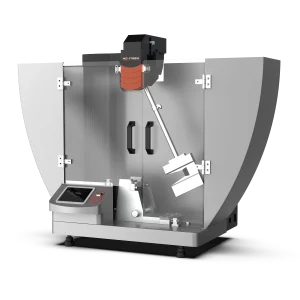
ASTM D1822 is a standard test method for determining the tensile-impact resistance of plastics by measuring the energy required to rupture a standardized tension-impact specimen using a calibrated pendulum impact event.
It is commonly used when product teams need a dynamic, high-rate toughness indicator for plastics—including cases where specimens are too thin or flexible for some other impact methods. If you need help aligning the cited edition and specimen type to your material form, talk with our team.
ASTM D1822 — Standard Test Method for Determining the Tensile-Impact Resistance of Plastics
ASTM D1822 defines a pendulum-based tensile-impact test that reports the energy absorbed to break a standard specimen under rapid tensile loading.
The method is often selected to add an impact-style performance indicator that sits between slow tensile testing and very high-rate pendulum impact testing.
Quick Definition
Document type: Standard test method.
What it measures: Energy to rupture a standard tension-impact specimen, typically normalized by minimum cross-sectional area (commonly reported as tensile-impact energy or tensile-impact resistance).
Typical use: Material comparison, qualification testing, and quality control where rapid tensile loading behavior matters.
What This Standard Covers
ASTM D1822 covers determining the energy required to rupture standardized tension-impact specimens of plastic materials.
The method is applicable to rigid plastics and can also be used for specimens that are too flexible or too thin for certain other impact test methods.
The standard allows for different specimen geometries (commonly referenced as short vs. long) to help evaluate materials that may respond differently depending on extension and rate effects.
Why This Standard Matters in Testing
Tensile-impact results are used to compare how plastics behave under a rapid tensile loading event, which can better represent some real-world failure modes than slow tensile testing alone.
The method is also used when teams want an additional toughness indicator beyond traditional pendulum impact tests, while recognizing that results from different impact methods are not automatically interchangeable.
Common Materials, Product Types, or Applications Covered
This standard is used primarily for plastics and plastic compounds in forms where a standard tension-impact specimen can be prepared.
Common application areas include comparing resin grades, evaluating the effects of formulation or processing changes, and screening materials where brittleness/ductility transitions may affect performance.
Common Test or Verification Workflow
Most labs use ASTM D1822 within a workflow like the following:
- Prepare molded or machined tension-impact specimens that match the geometry required by the cited edition.
- Condition specimens as required by internal plans, customer requirements, or the broader standards program.
- Run tensile-impact testing on a calibrated pendulum tensile-impact tester using the specified specimen configuration.
- Report energy-to-break and any required normalization, along with specimen details and test conditions so results can be compared meaningfully.
Equipment Commonly Used for This Standard
ASTM D1822 is typically performed on a pendulum impact system configured for tensile-impact (tension-impact) testing.
Common equipment: Pendulum tensile-impact tester (with calibrated energy scale), tensile-impact specimen clamping/holding fixtures, and accessories for verifying pendulum performance and alignment.
Practical selection note: Capacity range and fixture configuration matter because results from different-capacity machines may not be directly comparable, and the cited specimen geometry must match the fixture and striker arrangement.
How to Read This Designation or Revision
ASTM standards are commonly cited with a suffix year that indicates the version/approval year of the document being used (for example, D1822-21).
Because fixture details, specimen geometry options, reporting format, and comparability cautions can change between editions, procurement documents and test reports should cite the full designation (including the year) rather than “ASTM D1822” alone.
Related Standards, Methods, or Frameworks
ASTM D1822 is often used alongside other mechanical-property test methods for plastics, such as tensile testing and pendulum impact testing, to build a more complete performance profile.
ISO 8256 addresses a similar subject area, but it is not technically identical; requirements and results should be compared only with care and with the correct edition in hand.
Get help selecting a tensile-impact setup for ASTM D1822
If you’re equipping a lab or replacing an older impact frame, you can request a detailed quote for a pendulum tensile-impact system and fixture package matched to the specimen geometry and capacity range you need.