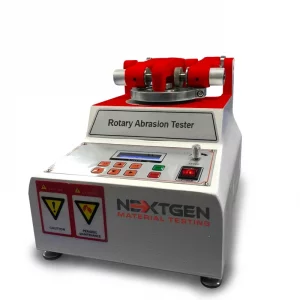
ASTM D1044 is a standard test method used to estimate how resistant transparent plastics are to surface abrasion using a Taber Abraser. Results are commonly reported as the change in haze (loss of optical clarity) after controlled abrasion.
This method is widely used when transparent plastics function as windows, lenses, guards, or enclosures where wiping and cleaning can affect appearance. If you need help deciding whether D1044 is the right fit for your material and end-use, you can talk with our team about your application and the edition your customer or specification calls out.
ASTM D1044: Standard Test Method for Resistance of Transparent Plastics to Surface Abrasion by the Taber Abraser
ASTM D1044 is a laboratory abrasion test focused on transparent plastics where optical quality matters. The method uses a rotating, weighted abrasion action (Taber Abraser) and quantifies the effect of abrasion by measuring haze before and after the abrasion exposure.
Document type: Test method.
Quick Definition
ASTM D1044 estimates surface abrasion resistance of transparent plastics by abrading a specimen with a Taber Abraser and calculating the change in haze percentage measured on an unabraded vs. abraded condition.
What This Standard Covers
This test method describes a procedure for evaluating resistance to one type of surface abrasion on transparent plastics by tracking a change in optical properties. The numeric output is based on haze measurements (before and after abrasion) using haze measurement practices aligned with ASTM haze measurement requirements referenced by the standard.
What it is (practically): A controlled abrasion exposure plus haze measurement to grade materials relative to this abrasion mode.
What it is not: A fundamental wear model or a universal abrasion test for all materials and end-use abrasion mechanisms.
Why This Standard Matters in Testing
For transparent plastics used in view-through applications, small surface changes can create visible haze that impacts product appearance and usability. D1044 is commonly used to compare material options, screen coatings or hard-coat packages, and support procurement/QA acceptance criteria where a haze-change limit is specified.
The standard also highlights that haze results are only meaningful when the haze measurement setup meets the specific instrument requirements referenced by the method, since the abrasion track scatters light differently than bulk/internal haze.
Common Materials, Product Types, or Applications Covered
ASTM D1044 is most often applied to transparent plastic sheet, panels, and formed parts where optical clarity is a performance requirement.
Common product contexts: Clear guards and covers, windows and enclosures, optical or display covers, lenses or lens-like covers, and transparent protective panels.
Common decision points: Material selection (for example, comparing transparent plastics), coating selection, supplier qualification, and durability screening for wipe/clean exposure.
Common Test or Verification Workflow
D1044 is typically run as a comparative test: measure optical haze, abrade under a defined wheel/load/cycle setup, then measure haze again and report the change.
- Prepare and condition specimens as required by the cited test plan or material specification.
- Measure initial haze on an unabraded specimen condition (using an appropriate haze meter setup).
- Abrade the specimen using a Taber Abraser configuration defined by the requirement (wheel type, applied load, number of cycles, and related setup details are usually specified by the customer/specification or internal method sheet).
- Measure haze after abrasion and calculate/report the haze change.
- Document the abrasion and measurement conditions so results can be compared meaningfully between lots, labs, or materials.
Equipment Commonly Used for This Standard
ASTM D1044 typically points to two core equipment families: abrasion generation equipment (Taber Abraser) and optical haze measurement equipment.
Common equipment: Taber Abraser (rotary platform abrader), abrasive wheels and weights/load accessories appropriate to the specified condition, specimen mounting components, and a haze meter suitable for haze measurement requirements referenced by the method.
Practical selection note: Many purchase specifications call out a specific wheel/load/cycle combination and may include additional procedural details. Matching your configuration to the exact callout is important for comparable results.
How to Read This Designation or Revision
ASTM standards are often cited with a suffix year that indicates the edition or last update year (for example, “ASTM D1044-24”). Because procedural and reporting details can change between editions, your lab procedure and any acceptance criteria should be aligned to the exact cited version in the contract, drawing note, or internal specification.
Revision sensitivity: Medium to high—instrument requirements, reporting expectations, and procedural clarifications can affect comparability.
Related Standards, Methods, or Frameworks when useful
ASTM D1044 commonly interacts with other standards in the same workflow—especially for haze measurement, conditioning, or when a different abrasion endpoint is required.
Often referenced alongside: ASTM D1003 (haze measurement), ASTM D618 (conditioning of plastics for testing), and ASTM D4060 (Taber abrasion by weight loss for coatings/other materials when weight loss is the specified endpoint).
If a customer requirement references an ISO or automotive glazing-style test instead of D1044, confirm whether results are intended to be compared directly; some methods are described as similar in purpose but are not directly equivalent in results.
Get help selecting a D1044-ready abrasion and haze measurement setup
If you are sourcing a Taber Abraser configuration for a specific wheel/load/cycle callout, you can request a detailed quote with the options matched to your D1044 test plan and reporting needs.