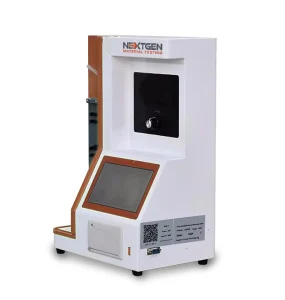
ASTM C204 covers determination of the fineness of hydraulic cement by air-permeability apparatus, commonly known as the Blaine method. It reports fineness as specific surface area, making it a common choice when a Blaine value is the required fineness measure.
This standard is most relevant for cement producers, construction materials laboratories, and QA/QC teams working with portland cement and other hydraulic cements. If you need help deciding whether ASTM C204 fits your application or lab workflow, Contact Us.
ASTM C204 Standard Test Methods for Fineness of Hydraulic Cement by Air-Permeability Apparatus
ASTM C204 is a test methods standard for measuring the fineness of hydraulic cement with an air-permeability apparatus. In practice, it is associated with Blaine fineness testing and is used to express the result as specific surface area.
The standard includes both a manual reference method and provisions for qualified automated apparatus. That makes it important not only for daily laboratory testing, but also for equipment selection, calibration planning, and comparison of manual and automated workflows.
Quick Definition
Document type: Test methods standard.
Primary purpose: Determine hydraulic cement fineness by air-permeability.
Reported result: Specific surface area of the cement.
Typical apparatus path: Manual Blaine apparatus or qualified automated air-permeability system.
What This Standard Covers
ASTM C204 focuses on fineness determination for hydraulic cement using the Blaine air-permeability approach. It is narrower than a general cement testing standard because it addresses one specific property and one specific measurement principle.
| Topic | ASTM C204 Focus |
|---|---|
| Material | Hydraulic cement |
| Measurement principle | Air permeability through a prepared cement bed |
| Reported value | Specific surface area |
| Method structure | Manual reference method plus qualified automated option |
Because the method is tied to air-permeability behavior, it is best understood as a standard for Blaine fineness measurement rather than a broad particle size characterization document.
Why This Standard Matters in Testing
ASTM C204 is widely used when laboratories need a consistent Blaine fineness value for hydraulic cement. That value is commonly used for production control, comparison of cement lots, and testing programs where specific surface is the requested fineness result.
For buyers and lab managers, the important point is that this standard affects both the reported number and the equipment path behind that number. Differences between manual and automated systems, calibration approach, and qualification requirements can matter when results will be used for acceptance decisions.
Common Materials, Product Types, or Applications Covered
ASTM C204 applies to hydraulic cement and is known to work well for portland cements. It may also be used with other materials, but the method is generally understood to provide relative rather than absolute fineness values, and users should use judgment when cements differ in density or porosity from the referenced standard materials.
- Portland cement testing
- Hydraulic cement quality control programs
- Cement manufacturing laboratories
- Independent construction materials laboratories
- Comparative fineness evaluation where Blaine specific surface is requested
Common Test or Verification Workflow
In a typical ASTM C204 workflow, a cement bed is prepared in the permeability cell, a defined quantity of air is drawn through that bed, and the measured response is used to calculate specific surface area. The standard also includes calibration requirements and distinguishes between the manual reference method and automated systems that must demonstrate acceptable performance.
- Prepare the cement bed in the Blaine permeability cell
- Run the air-permeability measurement through the apparatus
- Determine the fineness result as specific surface area
- Calibrate the apparatus with the required reference material
- Apply qualification or standardization steps when automated equipment is used for acceptance work
ASTM C204 is a fineness determination method, so it usually sits early in the cement laboratory workflow alongside other physical property checks rather than replacing broader chemical or mechanical testing.
Equipment Commonly Used for This Standard
The equipment path for ASTM C204 centers on the Blaine air-permeability apparatus or an automated system that meets the standard’s qualification requirements. For many labs, the main selection question is whether a manual reference setup or a qualified automated system best fits throughput, traceability, and reporting needs.
Common equipment: Manual Blaine air-permeability apparatus, qualified automated air-permeability apparatus, permeability cell, plunger, filter paper disks, manometer or instrument timing system, and calibration reference materials.
Practical caution: If automated equipment will be used for acceptance or rejection of cement, the system has to satisfy the qualification requirements of the standard. If a setup uses mercury-containing components, safety and regulatory handling requirements also become part of the equipment decision.
If you are comparing manual Blaine setups with automated air-permeability systems, Request a Quote.
How to Read This Designation or Revision
ASTM C204 follows ASTM’s standard designation format. The letter identifies the material family, the number identifies the specific standard, and the year suffix identifies the year of adoption or most recent revision.
Designation logic: The letter C is used for cementitious, ceramic, concrete, and masonry materials, while 204 is the sequential standard number.
Revision logic: The year after the hyphen identifies the latest adoption or revision year. A letter suffix can indicate more than one revision in the same year, parentheses indicate reapproval, and an epsilon mark indicates an editorial change.
Revision sensitivity: For ASTM C204, edition changes can affect apparatus qualification, calibration, and reporting expectations, so purchase and quote activity should match the exact edition named in the specification or test plan.
Related Standards, Methods, or Frameworks when useful
ASTM C204 is one of several ASTM routes used to evaluate hydraulic cement fineness. Related methods are useful when the required output is based on sieve retention rather than Blaine specific surface.
- ASTM C430 covers fineness of hydraulic cement by the 45-μm (No. 325) sieve.
- ASTM C1891 covers fineness of hydraulic cement by air jet sieving at 45-μm (No. 325).
These standards are related by subject matter, but they do not describe the same measurement approach. The cited method in the project specification or laboratory procedure should drive equipment selection.
Need Help with ASTM C204 Equipment or Lab Setup?
If you need to match ASTM C204 to a manual Blaine apparatus, evaluate automated options, or align a quote with the exact edition named in your documents, Request a Quote.