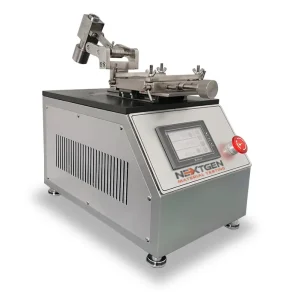
AS/NZS 2210.2 Section 7.3 is a clause within the occupational protective footwear test-methods standard that focuses on abrasion resistance of the insole material. It is commonly used to evaluate how well the insole withstands repeated rubbing that can occur during wear.
This clause is typically applied during product development, supplier qualification, and compliance testing for workplace footwear where durability and service life are important. If you need help aligning the correct edition and clause requirements to your test setup, you can talk with our team.
AS/NZS 2210.2 Section 7.3: Determination of abrasion resistance of insole
Section 7.3 sits within AS/NZS 2210.2, a test-methods document for occupational protective footwear used in workplace applications. This clause is specific to the insole component and provides a repeatable way to assess surface wear from rubbing action.
Because many footwear specifications reference test methods by clause number, it is important that labs and manufacturers cite the same edition of the standard when comparing results.
Quick definition
Section 7.3 defines a laboratory abrasion procedure for insole materials and a way to judge the remaining thickness (or thickness loss) after a defined rubbing exposure.
Common use: Durability screening and compliance support for occupational/safety footwear insole constructions.
What this standard covers
This clause covers abrasion resistance testing of the insole material used inside occupational protective footwear. The intent is to simulate repeated friction that can occur between the foot/sock and the insole during normal movement.
It is typically treated as a component-level method (not a whole-boot performance test), and results are used to compare materials, constructions, or batches against an acceptance requirement specified elsewhere (for example, in a footwear specification, contract, or internal QA plan).
Why this standard matters in testing
Insole wear can affect comfort, fit, perceived quality, and in some cases the continued performance of footwear systems that rely on consistent internal geometry. A standardized abrasion method helps reduce subjective “wear testing” and supports apples-to-apples comparisons between suppliers or material options.
This clause is especially useful when you need objective evidence that an insole material maintains an acceptable thickness after controlled abrasion exposure.
Common materials, product types, or applications covered
Section 7.3 is most often applied to occupational protective footwear insoles used in industrial and trade environments where boots are worn for long shifts and experience frequent internal rubbing.
Typical insole constructions evaluated: Polymer/foam insoles, laminated assemblies, and other non-leather insole structures where thickness retention after abrasion is a key durability indicator.
Common test or verification workflow
Most labs use Section 7.3 as part of a broader footwear verification program, alongside other component or whole-footwear tests referenced by occupational/safety footwear requirements.
A common workflow:
- Define the footwear model, size range, and insole construction to be qualified.
- Select representative insole specimens from production or pre-production builds.
- Run abrasion exposure per Section 7.3 and record the required thickness-related result.
- Compare results to an acceptance criterion specified by the governing footwear requirement, customer specification, or internal quality limit.
Equipment commonly used for this standard
Section 7.3 is usually supported by abrasion/rub testing equipment that can apply a defined rubbing action for a controlled number of cycles, plus thickness measurement tools suitable for compressible insole materials.
Common equipment families: Abrasion/rub resistance testers (configured to the clause’s rubbing media and cycle requirements), thickness gauges or thickness measurement systems, specimen cutting tools, and basic conditioning controls (temperature/humidity) where required by the broader standard.
If you are setting up a lab station for insole abrasion and need help matching tester motion, cycle control, and measurement approach to your purchasing spec, you can request a detailed quote for an equipment package aligned to your workflow.
How to read this designation or revision
AS/NZS 2210.2 identifies the joint Australia/New Zealand standard covering test methods for occupational protective footwear.
Section 7.3 identifies the specific clause for determining abrasion resistance of the insole.
Always match the clause number to the exact cited edition in your quality plan, purchase order, or compliance documentation, since clause structure, apparatus details, and assessment criteria can change between editions or national adoptions.
Related standards, methods, or frameworks when useful
Section 7.3 is commonly used alongside occupational/safety footwear specifications that set performance requirements and reference test methods for verification.
Common related references: AS/NZS 2210.2 (test methods framework) and companion footwear specification standards within the AS/NZS 2210 series that call up test methods for compliance.
Get help selecting an insole abrasion test setup
If you need to run Section 7.3 in-house or outsource it and want to ensure your apparatus, consumables, and thickness measurement approach are aligned before you commit, contact our team with your insole construction and throughput targets.