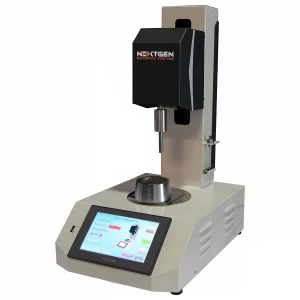
NF P15-414 is a French NF standard focused on the Vicat apparatus and the truncated cone mould used in laboratory work on hydraulic binders (such as cementitious binders). It is commonly encountered when a lab needs a defined, standards-based setup for Vicat penetration measurements tied to consistency and setting-time style checks.
Because this is an apparatus-focused standard, the main purchasing and setup decisions are about having the correct Vicat frame (manual or automatic), the correct penetrators/attachments, and the correct mould geometry and base plate. If you need help matching your current workflow to the right Vicat configuration, talk with our team.
NF P15-414 — Hydraulic binders: Vicat apparatus and truncated cone mould
NF P15-414 is associated with laboratory equipment requirements for Vicat-type testing on hydraulic binders. In practice, it points the lab toward a defined apparatus and mould arrangement used to generate repeatable penetration readings on paste specimens.
This standard is often used as a reference when specifying or verifying the physical test setup in a cement or binder QA/QC environment, rather than as a standalone “material performance specification.”
Quick definition
Document type: Standard (apparatus / equipment specification for Vicat testing).
What it’s for: Defining the Vicat apparatus and truncated cone mould used for testing work on hydraulic binders.
Typical output: Comparable Vicat penetration observations used in consistency and setting-time related workflows (exact criteria depend on the cited test procedure and edition used).
What this standard covers
NF P15-414 is centered on the physical test tools: the Vicat apparatus (frame, moving rod/plunger assembly, measurement scale/indicator) and the truncated cone mould used to form the paste specimen. It is primarily about having the correct standardized geometry and apparatus characteristics so results are comparable across labs.
It does not function like a broad materials specification; it supports other test procedures by controlling the equipment variables that strongly influence Vicat penetration measurements.
Why this standard matters in testing
Vicat-based measurements are sensitive to equipment geometry, specimen mould shape, and repeatability of penetration positioning and readout. When a procurement or QA team cites NF P15-414, it is typically to reduce ambiguity about what “Vicat apparatus” and “mould” mean for that job, supplier, or internal lab method.
For equipment selection, the key risk is buying a Vicat setup that is “close” but not dimensionally aligned with the required mould/attachments, which can create disputes over comparability or acceptance—especially when results are used for release testing, supplier qualification, or inter-lab comparisons.
Common materials, product types, or applications covered
NF P15-414 is tied to hydraulic binders, which in lab practice commonly means cementitious binder pastes and related binder systems evaluated using Vicat-style penetration equipment.
Common application areas: Cement and binder manufacturing QA/QC, incoming inspection of cementitious binders, and laboratory benchmarking where a standardized Vicat apparatus and mould definition is required.
Common test or verification workflow
A typical workflow that references NF P15-414 is built around preparing a paste specimen, forming it in the truncated cone mould, and running a Vicat penetration sequence to observe penetration depth versus time (or versus defined consistency criteria). The detailed procedural steps and acceptance criteria typically come from the specific test method the project cites alongside (or instead of) this apparatus standard.
Practical tip: When an RFQ, ITP, or lab SOP cites NF P15-414, it is usually important to confirm which penetrator/needle set, mould, and base plate configuration is expected, and whether the lab is using a manual Vicat frame or an automatic recording Vicat system.
Equipment commonly used for this standard
NF P15-414 commonly points to the following equipment families and accessories:
- Vicat apparatus: Manual Vicat frame/stand or an automatic Vicat recording system (selected based on throughput and documentation needs).
- Penetration attachments: Interchangeable needles/plungers and weights as required by the referenced Vicat procedure used in the lab.
- Truncated cone mould and base plate: Mould geometry consistent with the cited NF setup, with a suitable base plate for forming the paste specimen.
- Supporting lab tools: Balance, timer, mixing tools, and controlled-environment capability as required by the governing test method used with the Vicat apparatus.
If you are selecting between manual and automatic Vicat solutions or need to align mould/needle options to a specific customer spec, you can request a detailed quote with the right configuration options for your lab.
How to read this designation or revision
“NF P15-414” is an NF (France) designation historically associated with a 1960-era document for hydraulic binders addressing the Vicat apparatus and truncated cone mould. In many modern specifications, this older designation may appear as a legacy reference when describing the equipment setup.
Revision sensitivity: Apparatus and mould requirements can change across revisions and when a legacy national standard is replaced by a harmonized EN standard. Always confirm the exact edition and the exact referenced procedure in the project documentation before purchasing fixtures or accessories.
Related standards, methods, or frameworks
NF P15-414 is commonly encountered alongside European cement testing references for Vicat-based determinations. It has been listed as superseded by NF EN 196-3 (cement test methods that include Vicat-related determinations). When your documentation references both, the controlling requirement is typically the most current cited document and edition in the customer’s specification.
Get help specifying a Vicat setup for NF P15-414
If your lab needs to support a customer or internal requirement that calls out NF P15-414, we can help translate the citation into an equipment bill of materials (Vicat frame type, mould/base plate, penetrators, and documentation needs). For a purchase-oriented package recommendation, request pricing for a Vicat configuration matched to your throughput and reporting workflow.