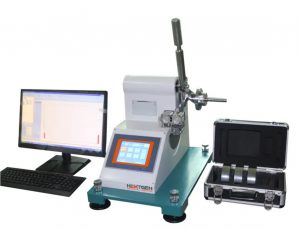
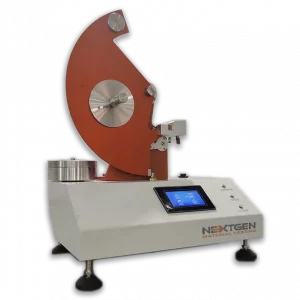
NEXT 17 is a private, retailer-driven standard code used in NEXT supplier quality programs. In lab practice, it is commonly associated with measuring tear strength of flexible materials using an Elmendorf (falling-pendulum) tearing tester.
If you need help matching a specific NEXT 17 citation to the right pendulum capacity, specimen cutter, or reporting setup, talk with our team and share the exact wording from your supplier requirement.
NEXT 17 (NEXT) – private tear strength requirement typically run on an Elmendorf tester
NEXT standards are not consensus standards like ASTM or ISO; they are typically issued as internal supplier requirements. Because the full document is not always publicly accessible, the most reliable way to scope NEXT 17 is to align your lab setup to the exact NEXT documentation provided in your tech pack, supplier manual, or purchase specification.
When NEXT 17 is called out for tear performance, it is commonly executed on a falling-pendulum Elmendorf tearing system and used for ongoing quality control and supplier approval decisions.
Quick definition
NEXT 17 is a NEXT retailer standard code that is commonly used to specify tear strength verification of textiles and other flexible sheet materials, typically using Elmendorf-style tear testing equipment.
What This Standard Covers
For tear-related NEXT 17 applications, the focus is the resistance of a material to tear propagation from a starter cut under a rapid, pendulum-driven loading event. Results are generally used to compare materials, confirm minimum performance, or support supplier conformance decisions.
Typical output: A tear force or tear resistance value reported in appropriate force units, often with directionality noted (for example, different fabric directions) when required by the controlling NEXT document.
Why This Standard Matters in Testing
Retail and apparel supply chains often rely on internal standards to manage consistency across multiple mills and factories. When NEXT 17 is specified for tear strength, it can become a gate check for incoming material release, product approval, and ongoing lot-to-lot monitoring.
Practical caution: Elmendorf tear results can be highly sensitive to specimen cutting quality, clamp condition/alignment, and selecting a pendulum range that keeps test results in the instrument’s preferred working window. Equipment configuration should be chosen around the expected tear strength range of the material.
Common Materials, Product Types, or Applications Covered
NEXT 17 is most often encountered in textile and flexible-material supplier testing. Common examples include:
- Woven and knit apparel fabrics
- Nonwovens and linings
- Coated textiles and laminated constructions (when a pendulum tear method is specified in the purchasing requirement)
- Other thin, flexible sheet goods used in garments and soft goods
Common Test or Verification Workflow
While the exact procedure must follow the cited NEXT documentation, a typical Elmendorf-based workflow includes:
- Condition specimens (when required by the controlling requirement) and prepare test pieces using a defined cutter/template.
- Create a starter cut and mount the specimen in the pendulum tester clamps.
- Select a pendulum capacity (and any auxiliary weights) appropriate for the expected tear strength.
- Release the pendulum to propagate the tear and record the instrument result.
- Repeat for required directions/replicates and report results per the cited NEXT requirement.
If your purchasing documents cite NEXT 17 alongside other tear methods, confirm whether NEXT 17 is being used as the governing requirement or as an internal reference point for acceptance limits.
Equipment Commonly Used for This Standard
When NEXT 17 is used for Elmendorf tear verification, the equipment path typically includes:
Primary instrument: Elmendorf (falling-pendulum) tearing tester with appropriate pendulum capacity for the material range.
Specimen preparation: Standardized cutting die/template and a suitable cutting press or handheld cutter (as required), plus a controlled method to create the starter slit.
Accessories and readiness items: Calibration/check weights (where applicable), spare clamps/blades/consumables, and a stable lab bench setup to reduce handling variability.
Conditioning support (when required): Conditioning room or environmental chamber and standard lab measurement tools for specimen identification and tracking.
If you are outfitting a lab to run NEXT 17 tear work across multiple fabric weights, you can request a detailed quote for a configuration that covers your expected tear-force range and throughput.
How to Read This Designation or Revision
Designation: “NEXT 17” is a retailer internal code rather than a public standards-body designation. The code alone may not communicate key variables such as specimen size, conditioning, directionality, number of replicates, or acceptance criteria.
Revision sensitivity: If your documents reference a version, issue date, or appendix for NEXT 17, match your test setup and reporting to that exact citation. Where the issue level is not stated, confirm the controlling edition with the party requesting the test (brand, agent, or customer QA).
Related Standards, Methods, or Frameworks when useful
NEXT 17 tear-strength requirements are commonly run on the same Elmendorf tearing platforms used for widely adopted pendulum tear standards. Depending on your customer requirements, your lab may also be asked to support comparable Elmendorf tear methods from ASTM and ISO that use similar instrument families but may differ in specimen details, conditioning, calculations, and reporting.
Good practice: Avoid assuming equivalency between NEXT 17 and any other tear standard without an explicit customer approval, even when the same instrument type is used.
Get help selecting an Elmendorf tear setup for NEXT 17
If you share your material type and expected tear range, we can help narrow down pendulum capacity, clamping style, and specimen preparation accessories so your system is aligned with the way NEXT 17 is being invoked in your requirement—ask for a quote.