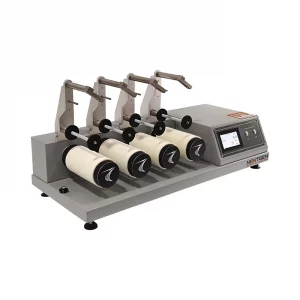
JIS L 1058 specifies test methods used to evaluate snagging resistance in woven fabrics and knitted fabrics. Snagging is a surface damage mechanism where yarns or fibers are pulled and protrude due to catching on rough or sharp contacts during use.
Because JIS L 1058 includes multiple method options and method selection can affect results, it is important to match the edition and method to the product and end-use requirement. If you want help choosing the appropriate method and tester configuration, talk with our team.
JIS L 1058: Test methods for snag of woven fabrics and knitted fabrics
JIS L 1058 is a Japanese Industrial Standard focused on laboratory evaluation of snag performance for textiles. It is commonly used to compare constructions, finishes, and fiber types, and to support quality control decisions for fabric release and supplier qualification.
This standard is best treated as a defined set of snag test methods (not a general textile specification). Test setup and reporting should follow the specific JIS L 1058 method cited on the purchase order, test plan, or customer requirement.
Quick Definition
What it is: A set of standardized snag test methods for woven and knitted fabrics.
What it measures: The tendency of a fabric surface to develop visible snags after controlled mechanical snagging action.
Why it is used: To screen materials for appearance durability and to verify consistency between lots, colors, or finishing changes.
What This Standard Covers
JIS L 1058 specifies test methods for snag of woven fabrics and knitted fabrics, and it classifies testing into multiple methods based on different snagging mechanisms and instruments. The standard also addresses supporting elements such as test conditions, sampling and test specimen preparation, and test reporting.
In practice, JIS L 1058 is used to generate a comparative snag rating (appearance-based evaluation) after a defined exposure to snagging action, rather than a fundamental material property like tensile strength.
Why This Standard Matters in Testing
Snagging can create immediate appearance defects in apparel, uniforms, upholstery, and many technical textiles. A controlled snag test helps teams make faster decisions when comparing fabric constructions, evaluating finishing recipes, or troubleshooting field complaints tied to surface pulls and protruding yarns.
For procurement and QA/QC, specifying JIS L 1058 helps align supplier test results with internal acceptance criteria, especially when fabric aesthetics and durability are critical performance drivers.
Common Materials, Product Types, or Applications Covered
JIS L 1058 applies to woven and knitted fabrics and is often selected for materials where snagging is a known risk. Common examples include filament yarn fabrics, synthetic blends, textured surfaces, and constructions that can more easily catch and pull under contact.
Common application areas: Apparel outer layers, sportswear, workwear, uniforms, upholstery and seating textiles, and other fabric surfaces where appearance retention is important.
Common Test or Verification Workflow
A typical JIS L 1058 workflow is organized around (1) selecting the method specified by the requirement, (2) preparing and conditioning specimens, (3) running the selected instrument-based snag exposure, and (4) grading the resulting snag appearance using the evaluation approach required by the method and report format.
Common workflow decisions: method selection (A / C / D series), fabric orientation and sampling plan, exposure settings, and the grading/rating approach for reporting. These choices can materially change the result, so the cited method and edition should be documented clearly on the test report.
Equipment Commonly Used for This Standard
JIS L 1058 is strongly equipment-linked because each method is tied to a defined tester type. Labs typically choose equipment based on the exact method(s) their customers specify and the fabric categories they test most often.
Common equipment families: ICI-type mace snag testers (Method A), card clothing roller type snag testers (Method C), and ICI-type pilling box instruments configured for the Method D series.
If you are standardizing a snag testing program across multiple product lines or need to match a customer’s cited method, you can request a detailed quote for the tester, accessories, and training support that fit your lab workflow.
How to Read This Designation or Revision
Designation: “JIS L 1058” identifies the JIS textile standard number for snag test methods on woven and knitted fabrics.
Revision format: A citation such as “JIS L 1058:2021” indicates the year-based edition. The 2021 edition replaced the prior 2011 edition, so purchase specs and historical test reports should be checked for the exact cited year when comparing results across time.
Revision sensitivity: Because JIS L 1058 includes method classifications and instrument-specific procedures, equipment setup and reporting expectations can depend on the exact cited edition and method letter/variant.
Related Standards, Methods, or Frameworks
JIS L 1058 is commonly used alongside other textile surface durability evaluations when a product specification includes multiple appearance-retention risks. In JIS workflows, snag testing may be paired with pilling evaluation and other physical test methods depending on the end-use and customer requirements.
When a specification references multiple JIS appearance tests, confirming which methods apply to which fabric layer (shell, lining, reinforcement) can help avoid mismatched setups and inconsistent acceptance decisions.
Get help selecting the right JIS L 1058 setup
If you need to align your snag testing to a specific JIS L 1058 method (A, C, or D series) or want to confirm what configuration your customer expects, contact our team for practical guidance on tester selection, accessories, and a test workflow that matches your requirement.