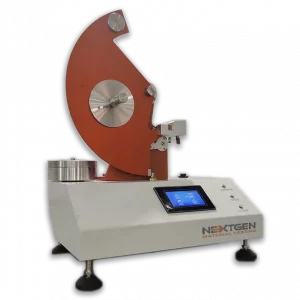
JIS L 0849 is a textile colorfastness standard that evaluates how readily dye can transfer from a dyed fabric to another surface through rubbing (often called crocking). It is commonly used for apparel, uniforms, workwear, bags, and dark-shade or high-rub areas where color transfer can create visible staining during wear or handling.
The standard focuses on staining of an adjacent rubbing cloth after controlled dry and wet rubbing. If you need help selecting the correct instrument type (Type I vs. Type II) and aligning it to the exact edition called out by your customer or brand manual, talk with our team.
JIS L 0849: Test methods for colour fastness to rubbing
JIS L 0849 specifies laboratory test methods for determining the colour fastness of dyed textiles to rubbing. It is used to quantify the risk of dye transfer (staining) to other materials through repeated contact, such as fabric-to-fabric rubbing during wear or fabric-to-trim/contact surface abrasion during use.
This is a test-method document (not a product specification). It provides a controlled way to generate comparable rubbing-staining results that can be used in quality control, supplier approval, and conformance to brand or procurement requirements.
Quick Definition
What it is: A rubbing (crocking) colorfastness test for dyed textiles.
What it measures: Staining on the rubbing cloth after dry rubbing and after wet rubbing.
Typical outputs: Staining grade results (commonly reported as separate dry and wet grades) based on a grey scale assessment.
What This Standard Covers
JIS L 0849 covers procedures to rub a textile specimen against a specified rubbing cloth under defined conditions and then assess the degree of staining on the rubbing cloth. It includes two instrument approaches commonly referenced as:
- Type I: Crockmeter method (linear rubbing action typical of many “crocking testers”).
- Type II: Gakushin-type rubbing tester method (widely used in Japan for textile rubbing fastness evaluations).
The standard is used for both dry and wet rubbing conditions, since wet rubbing often represents higher risk of dye transfer in real use (perspiration, rain, damp contact, and laundering-related handling).
Why This Standard Matters in Testing
Rubbing fastness is a practical durability indicator for dyed and printed textiles because many customer complaints are caused by color transfer rather than overall shade change. JIS L 0849 results are commonly used to support:
- Incoming inspection: screening lots before cutting/sewing or shipment.
- Process control: comparing dyeing/finishing changes, resin treatments, or print/coat systems.
- Risk management: identifying items prone to staining light-colored garments, linings, or accessories during use.
Because equipment geometry and method type can affect results, it is important that the lab uses the instrument type and reporting format required by the purchase spec, brand manual, or regulatory/industry program.
Common Materials, Product Types, or Applications Covered
JIS L 0849 is used across many dyed textile constructions where rubbing contact is expected, including:
- Woven and knitted fabrics: piece-dyed and yarn-dyed materials.
- Printed textiles: pigment prints, discharge prints, and high-coverage designs where surface colorants may transfer.
- Dark shades and deep colors: where staining is more visible and customer sensitivity is high.
- High-contact end uses: cuffs, collars, pocket edges, bag straps, seat-contact areas, and layered garments.
In practice, requirements are often set by the product category (apparel vs. accessories), end-user expectations, and the likelihood of damp contact during wear or handling.
Common Test or Verification Workflow
Most labs run JIS L 0849 as a comparative QC test with separate dry and wet evaluations.
Common workflow: Condition specimens as required, mount the specimen, rub with the specified cotton rubbing cloth under controlled cycles/pressure per the selected method type, then grade the staining on the rubbing cloth using the grey scale for staining and report dry and wet grades.
Common decision point: Confirm whether the requirement calls for Type I or Type II, since buyer specifications and brand manuals often cite one explicitly (and may reject results generated on a different type).
Equipment Commonly Used for This Standard
JIS L 0849 typically points to a dedicated rubbing fastness tester and the related visual grading tools used for staining assessment.
Common equipment: Rubbing fastness tester (Type I crockmeter or Type II Gakushin-type), specimen mounting accessories, standard cotton rubbing cloth, wetting controls for wet rubbing, and a grey scale for assessing staining.
Practical equipment-selection cautions: Confirm the required method type (I vs. II), ensure the instrument’s motion and loading conform to the method referenced, and align the lab’s grading setup to the staining grey scale and viewing conditions used in your quality system.
If you are equipping a lab or replacing an older rubbing tester to match a customer-required method type, you can request pricing for a configuration that fits your throughput and reporting needs.
How to Read This Designation or Revision
JIS L 0849:2024 identifies the JIS standard number and the publication year of the cited edition.
Testing details and referenced companion documents can change by revision, so purchasing and test reporting should match the exact edition specified in your customer documents (for example, “JIS L 0849:2024” vs. an earlier year).
Related Standards, Methods, or Frameworks
JIS L 0849 is commonly used alongside general colorfastness procedures, standardized rubbing cloth requirements, and standardized staining assessment tools.
- JIS L 0801: General principles for colour fastness testing.
- JIS L 0803: Adjacent/rubbing cotton cloth used for colour fastness tests.
- JIS L 0805: Grey scale for assessing staining (used for grading).
- ISO 105-X12 and ISO 105-X19: International references that JIS L 0849 is based on (method alignment depends on the cited edition).
Talk to NextGen About JIS L 0849 Testing Setups
If you need to align a rubbing fastness test setup to a buyer requirement (Type I vs. Type II), improve repeatability between sites, or plan an upgrade path for higher throughput, contact our team to discuss your application and the standard your customer cites.