JIS K 7212 is a Japanese Industrial Standard test method for evaluating the thermal stability of sheet-form thermoplastics using an oven-based heat exposure procedure.
This standard is commonly used when a material, compound, or finished sheet must demonstrate heat-aging resistance and retain acceptable performance after controlled exposure to elevated temperature in air. If you need help matching the cited edition to your internal specification or customer requirement, talk with our team.
JIS K 7212:1999 — Plastics — Determination of thermal stability of thermoplastics — Oven method
JIS K 7212 specifies an oven method intended to accelerate thermal ageing of thermoplastic sheet in air using a forced-ventilation circulation oven, then assess thermal stability based on the resulting changes.
Because heat ageing programs and acceptance criteria are often tied to a product specification or an internal material approval plan, it is important to align oven conditions and evaluation endpoints with the exact requirement being cited.
Quick Definition
Standard type: Test method (thermal stability / heat ageing procedure for thermoplastic sheet using an oven).
Typical outcome: A controlled heat exposure in air intended to accelerate degradation, followed by comparison of selected properties and/or observations before and after ageing (as required by the user’s specification and the standard’s referenced measurements).
What This Standard Covers
JIS K 7212 covers an oven-based approach for heating sheet-form thermoplastics in air to promote thermal degradation and evaluate thermal stability under defined conditions.
Key focus: Using a forced-air circulation oven to apply a controlled thermal exposure so that subsequent changes can be evaluated in a repeatable way.
Why This Standard Matters in Testing
Thermoplastics can lose performance after heat exposure due to oxidation, chain scission, embrittlement, or other ageing mechanisms. A controlled oven-ageing method supports comparative screening (material-to-material, lot-to-lot, supplier-to-supplier) and can be used to demonstrate compliance with procurement or qualification requirements.
Practical caution: Oven ageing results are sensitive to the specified temperature, exposure time, airflow/ventilation characteristics, and how the evaluation endpoint is defined (for example, property retention vs. a pass/fail visual criterion). Equipment selection should prioritize temperature stability, uniformity, and repeatable specimen handling for the required exposure program.
Common Materials, Product Types, or Applications Covered
This standard is centered on thermoplastic materials in sheet form where an oven heat exposure in air is used to accelerate ageing and evaluate thermal stability.
Common use cases: Qualification or quality control of thermoplastic sheet materials used in manufactured components where heat resistance and retention of properties after ageing are required.
Common Test or Verification Workflow
JIS K 7212 is typically run as a controlled conditioning-and-comparison workflow.
Common workflow: Prepare sheet specimens, measure baseline properties or record baseline condition as required, expose specimens in a forced-air circulation oven at the specified temperature and duration, then re-measure selected properties and/or record observations after ageing for comparison.
Common evaluation approach: Many lab programs compare mechanical performance before and after heat exposure (for example, tensile results) when the calling specification requires it.
Equipment Commonly Used for This Standard
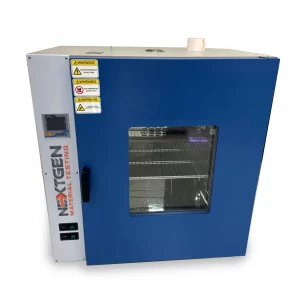
The primary equipment driver in JIS K 7212 is the oven system used to apply a controlled heat exposure in air.
Common equipment: Forced-air circulation oven (often referred to in industry as a Geer-type ageing oven for heat ageing work), temperature control and monitoring instrumentation, specimen racks/holders designed for repeatable spacing and exposure, and basic dimensional tools for specimen measurement as needed.
Often paired equipment (depending on the requirement): Universal testing machine and suitable grips/fixtures when tensile properties before/after ageing are part of the acceptance criteria; conditioning environments when pre-conditioning is required by the calling specification.
If you are configuring an ageing oven and need to align chamber size, airflow design, and temperature performance with your cited test program, you can request a detailed quote for an equipment package matched to your throughput and specimen format.
How to Read This Designation or Revision
Designation format: “JIS K 7212:1999” identifies the standard number (K 7212) and the year of the most recent establishment or revision reflected in the designation (1999).
Confirmation vs. revision: JIS standards can be periodically confirmed without changing the year shown after the colon. For JIS K 7212:1999, the listing indicates the standard remains effective and has been confirmed in later years while retaining the “:1999” designation.
Revision sensitivity: Purchase specifications may cite “JIS K 7212” without the year, but laboratory setup and reporting should still be matched to the exact edition and any referenced methods required by the calling document.
Related Standards, Methods, or Frameworks when useful
JIS K 7212 may reference other standards for instruments, supporting methods, or post-ageing evaluations. The exact companion methods to use (and what constitutes passing performance) should be taken from the calling specification and the referenced documents listed within the standard.
Good practice: When a procurement document cites JIS K 7212 as part of a broader qualification plan, confirm whether the requirement is focused on the ageing exposure procedure itself, the measurement method used after ageing, or both.
Get help selecting an oven ageing setup for JIS K 7212
Whether you are replacing an ageing oven, increasing throughput, or aligning temperature performance to a customer requirement, we can help scope a practical system configuration and supporting accessories for your JIS K 7212 workflow. To compare options, request pricing with your target temperature range, specimen format, and batch size.