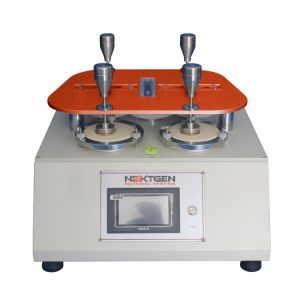
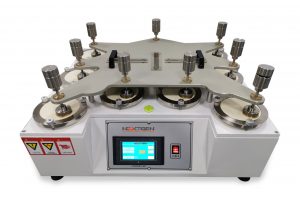
IWTO TM 40-88 is an International Wool Textile Organisation (IWTO) test method associated with evaluating abrasion resistance of wool and wool-blend fabrics using a Martindale abrasion machine.
If you need help confirming whether Martindale abrasion testing is the right approach for your wool fabric, or you need guidance on what to reference in a purchase specification, talk with our team.
IWTO TM 40-88 – Abrasion resistance of wool and wool-blend fabrics (Martindale)
This standard is used when a lab needs a controlled, repeatable abrasion exposure for wool and wool-blend fabrics and a consistent way to report how the material performs after a defined number of rubbing cycles on a Martindale instrument.
In practice, it is commonly specified for apparel fabrics, uniform fabrics, and upholstery-type wool textiles where wear durability needs to be compared across constructions, lots, or finishing routes.
Quick Definition
IWTO TM 40-88 is a wool-industry abrasion test method that uses the Martindale rubbing motion to evaluate abrasion resistance of wool and wool-blend fabrics under defined conditions and a defined endpoint.
Document type: Test method.
What This Standard Covers
IWTO TM 40-88 focuses on abrasion performance of textile fabrics that contain wool, including blends. It is centered on running specimens on a Martindale abrasion machine with standardized contact materials and loading, then evaluating performance at agreed cycle counts or at a defined failure/appearance criterion (depending on the cited procedure and commercial requirement).
This method is typically used to compare constructions (fiber blend, yarn type, weave/knit structure, finishing) and to support durability requirements in product specifications.
Why This Standard Matters in Testing
For wool textiles, abrasion performance can be strongly affected by fiber diameter, yarn twist, finishing chemistry, and fabric structure. A Martindale-based method provides a controlled wear mechanism that helps labs and product teams make practical comparisons without relying on subjective “in-use” trials.
It is also a common requirement when wool fabrics are being qualified for contracts, supplier approvals, or internal release testing where repeatability and standardized reporting matter.
Common Materials, Product Types, or Applications Covered
IWTO TM 40-88 is most often encountered for:
- Wool and wool-blend woven fabrics (including suiting and uniform textiles)
- Upholstery and furnishing textiles where Martindale abrasion values are specified
- Development testing when changing fiber blend ratios, yarn systems, or finishing processes
If a project involves non-wool textiles, buyers often cite ISO or ASTM Martindale abrasion methods instead; for wool programs, IWTO references may be preferred to align with wool-industry practice.
Common Test or Verification Workflow
Most labs run IWTO TM 40-88 as a controlled verification test within a broader fabric qualification plan.
Typical workflow: Condition specimens as required by the test plan, mount specimens in Martindale holders, run the programmed abrasion cycles with the specified abradant/contact materials and weights, then evaluate performance at the required intervals and document results in a test report.
What buyers often specify: The required cycle counts (or inspection intervals), the acceptance criterion (for example, appearance change versus breakdown), and any project-specific reporting details.
Equipment Commonly Used for This Standard
IWTO TM 40-88 is primarily an equipment-driven standard: the test outcome depends on using a Martindale abrasion platform configured with the correct holders, loads, and contact materials.
Common equipment: Martindale abrasion (and often abrasion/pilling) tester with specimen holders and loading weights, approved/standardized abradant or contact fabrics and felts, specimen cutting tools, and a conditioning environment suitable for textile testing.
Common supporting tools: A balance (when the test plan calls for mass loss measurements), inspection lighting, and documentation aids for consistent visual evaluations when appearance change is part of the endpoint.
If you are matching a Martindale system configuration to a purchase specification that cites IWTO TM 40-88, you can request a detailed quote with the holder count, accessory kit, and consumables aligned to your lab workflow.
How to Read This Designation or Revision
IWTO TM 40-88: “TM” indicates a test method. “40” is the method number, and “88” is commonly used to indicate the year of issue or the referenced edition year in legacy citations.
Because Martindale abrasion testing is also covered by other standards families, it is good practice to keep the exact designation as written in the purchase specification (including any suffixes such as “(E)” or an edition year) and ensure the lab and customer agree on the endpoint definition and reporting format for that specific citation.
Related Standards, Methods, or Frameworks
IWTO TM 40-88 is commonly encountered alongside other Martindale abrasion references and broader textile durability programs.
Often cross-referenced: ISO 12947 (Martindale abrasion method family) and ASTM D4966 (Martindale abrasion method). These are not interchangeable by default; cycle counts, endpoints, and reporting conventions can differ by standard and by specification.
Talk to us about an IWTO TM 40-88 test setup
If you need a Martindale abrasion tester configured for wool-fabric abrasion work (stations, weights, holders, and the right accessory/consumables path), contact our team with the exact wording from your requirement and the material type you are testing.