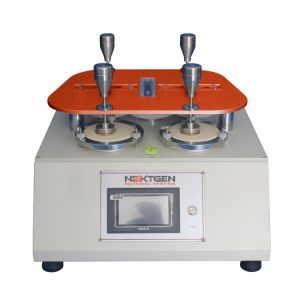
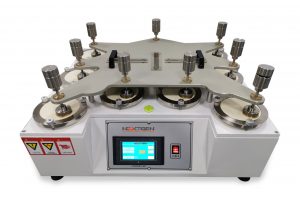
IWTO TM 40-88 is an IWTO test method used to evaluate the abrasion resistance of wool and blended-wool fabrics using a Martindale-type abrasion machine.
If you need help aligning your fabric type, end-point criteria, or the correct edition citation before setting up testing, talk with our team about your application.
IWTO TM 40-88 (Martindale abrasion resistance for wool & wool blends)
IWTO TM 40-88 is a test-method designation used in the wool textile supply chain when abrasion durability needs to be measured in a controlled, repeatable way. It is commonly specified for apparel and interior-textile fabrics where wear performance is a key acceptance criterion.
This method is part of the Martindale abrasion-testing “family,” where circular specimens are rubbed against a standard abradant under a defined load and motion pattern for a specified number of cycles (or to a defined end point).
Quick definition
Document type: Test method.
In one sentence: Measures abrasion resistance of wool and blended-wool fabrics using a Martindale abrasion machine, with results based on a defined exposure (cycles) and a defined assessment approach.
Typical outcome: A durability result that supports material selection, supplier qualification, and quality control release.
What this standard covers
IWTO TM 40-88 is used to run a Martindale abrasion exposure on wool and wool-blend fabrics under specified conditions. Depending on how the standard is invoked in a purchase specification, results may be used to compare constructions, confirm minimum performance, or investigate wear-related issues.
Because Martindale testing can be reported in multiple ways across different standards (for example, cycles to breakdown versus mass loss at fixed cycles), it is important to follow the exact end-point and reporting requirements cited with the TM 40-88 callout.
Why this standard matters in testing
Abrasion resistance is a practical durability indicator for wool textiles that will experience repeated rubbing in use (seat surfaces, uniform areas, elbows/cuffs, bag contact points, etc.). Using an IWTO method helps keep comparisons consistent across wool-focused supply chains.
For labs and QA/QC teams, this designation often functions as the “test workflow anchor” that determines the exposure method (Martindale), specimen mounting approach, and the consumables that must be controlled (abradant, felt/foam backing, and inspection intervals).
Common materials, product types, or applications covered
IWTO TM 40-88 is most commonly used for fabrics where wool content is significant and wear resistance is part of performance requirements.
- Wool woven fabrics and wool-blend woven fabrics
- Uniform and suiting fabrics
- Upholstery and interior textiles that specify Martindale abrasion performance
- Wool-rich technical or protective textiles where surface wear is a concern
Common test or verification workflow
A typical IWTO TM 40-88 workflow follows the standard Martindale sequence: prepare and condition specimens, mount them in the specimen holders, run abrasion cycles against the specified abradant under a specified load, and evaluate damage at defined intervals or at completion.
Common workflow steps: Specimen preparation and conditioning, controlled Martindale abrasion exposure, periodic inspection or end-point determination, and results reporting tied to the cited acceptance criterion.
Practical caution: “Pass/fail” is usually defined by the purchasing or internal specification (for example, minimum cycles or allowable visual breakdown), so the correct end-point definition should be confirmed before testing begins.
Equipment commonly used for this standard
IWTO TM 40-88 primarily drives selection of a Martindale abrasion platform and the correct set of holders, weights, and controlled consumables needed to keep results comparable.
Common equipment: Martindale abrasion (and often pilling) tester; specimen holders and loading weights; standard abradant media (such as wool abradant fabric) and backing materials (such as felt); specimen cutting tools; conditioning environment (standard atmosphere); inspection lighting and basic magnification as needed; balance when mass change reporting is required by the citing specification.
Equipment-selection caution: Configuration details (stations, counter control, programmable inspection intervals, and available loads/holder sets) should be matched to the exact test callout and the fabric category being evaluated.
How to read this designation or revision
Designation format: “IWTO TM 40-88” is commonly read as IWTO Test Method 40 with an “88” suffix that is typically used to indicate the year associated with that issue of the method.
Revision sensitivity: Abradant requirements, loading, assessment/end-point rules, and reporting format can vary by edition or by the way a buyer specification references the method. When contracts or compliance requirements apply, the cited edition should be followed explicitly.
Related standards, methods, or frameworks when useful
Many organizations publish Martindale abrasion procedures. When customers reference multiple standards, they are usually aligning around the same Martindale concept, but the details (end point, inspection criteria, abradant, and reporting) can differ.
- ISO 12947 series (Martindale abrasion of textiles)
- ASTM D4966 (Martindale abrasion of textile fabrics)
- Buyer or brand specifications that define minimum cycles or specific breakdown criteria
Get help selecting a Martindale setup for IWTO TM 40-88
If you are configuring a Martindale abrasion system (capacity, holder sets, loads, and consumables) for an IWTO TM 40-88 requirement, you can request a detailed quote for an equipment package matched to your throughput and reporting needs.