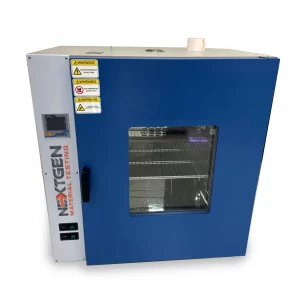
ISO 4577 is an international standard for evaluating the thermal oxidative stability of polypropylene (PP) and propylene-copolymers by accelerated ageing in air using a forced-draught oven.
This standard is typically used to compare material formulations, stabilizer packages, or processing effects by observing how moulded specimens change after controlled heat exposure. If you need help aligning your application to the right edition and test temperature profile, you can talk with our team.
ISO 4577:2019 — Plastics — Polypropylene and propylene-copolymers — Determination of thermal oxidative stability in air — Oven method
ISO 4577:2019 (Edition 2) describes an oven-based ageing method intended to help estimate heat-and-air durability of parts made from propylene plastics. The result is an indication of stability under the specific test conditions, and it should not be treated as a universal predictor for different real-world environments.
Quick definition
Document type: International Standard (test method).
In simple terms: Moulded PP or propylene-copolymer specimens are exposed to elevated temperature in a forced-air oven, then evaluated for signs of degradation over time, following the acceptance and reporting rules of the cited edition.
What you get: A comparative thermal-oxidative stability outcome for the material under the selected oven ageing conditions.
What This Standard Covers
ISO 4577 specifies an accelerated ageing approach for moulded test specimens of polypropylene and propylene-copolymers, using heat in the presence of air inside a forced draught oven.
The method is commonly applied to support comparative evaluations (for example, between grades, stabilizer systems, or processing histories) using a controlled thermal exposure and defined evaluation criteria.
Why This Standard Matters in Testing
For many PP applications, long-term performance can be limited by heat-driven oxidation. ISO 4577 provides a structured way to stress the material in air at elevated temperature so changes can be observed in a reasonable timeframe.
In practice, this kind of testing is often used during product qualification, material change control, supplier comparison, and R&D screening where a repeatable oven exposure is needed to create meaningful differentiation between materials.
Common Materials, Product Types, or Applications Covered
ISO 4577 is specific to propylene plastics:
- Polypropylene (PP)
- Propylene-copolymers
Because the method is based on moulded test specimens, it is frequently used to represent moulded or fabricated PP part performance where thermal oxidative stability is a design concern (for example, components exposed to sustained heat in air).
Common Test or Verification Workflow
While the detailed steps depend on the exact cited edition and the user’s test plan, ISO 4577 workflows commonly include:
- Preparing moulded test specimens representative of the material or part
- Exposing specimens to controlled elevated temperature in air using a forced-draught oven
- Removing and evaluating specimens at defined intervals and/or after defined exposure durations
- Recording the specified stability outcome(s) and any required observations per the standard
Practical caution: The chosen temperature level(s), exposure duration, and evaluation criteria strongly influence outcomes, so purchasing decisions and pass/fail conclusions should always reference the same edition and test conditions used in the specification or customer requirement.
Equipment Commonly Used for This Standard
ISO 4577 is equipment-driven: the quality of temperature control and airflow uniformity in the oven has a direct impact on repeatability.
Common equipment: Forced-draught (forced-air) ageing oven, calibrated temperature measurement (and, where applicable, independent verification), specimen racks/holders suited to the geometry, and basic tools for scheduled removal and inspection.
Selection considerations: Chamber size for your specimen throughput, temperature stability at the target setpoints, airflow uniformity, shelf/rack configuration, safety features, and how you will document temperature performance for quality records.
If you are comparing oven sizes, airflow designs, or control packages for PP ageing work, you can request a detailed quote for an oven configuration matched to your throughput and documentation needs.
How to Read This Designation or Revision
Typical citation format: ISO 4577:2019.
What the year means: The year identifies the published edition being used. Test conditions, evaluation criteria, or reporting details can vary by edition, so the edition year should be stated wherever ISO 4577 is invoked in a requirement.
Legacy references: ISO 4577:1983 is withdrawn and has been replaced by ISO 4577:2019.
Related Standards, Methods, or Frameworks
ISO 4577 is often used alongside internal specifications or customer requirements that define the acceptance criteria, chosen thermal exposure level(s), and reporting expectations for a specific product. When coordinating multi-method qualification plans, it is also common to pair thermal ageing results with other PP characterization and performance tests selected for the end-use environment.
Get help applying ISO 4577 to your lab setup
If you need to match an oven ageing system to a specific ISO 4577 edition, specimen throughput, or documentation requirement, contact our team to discuss your workflow and equipment needs.