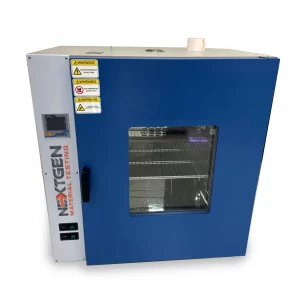
ISO 188 is an international standard for accelerated ageing and heat resistance testing of vulcanized rubber and thermoplastic rubber (including thermoplastic elastomers). It is commonly used to evaluate how key material properties change after controlled exposure to elevated temperature over a defined time.
If you are unsure which exposure conditions, specimen form, or before/after property checks are appropriate for your product specification, talk with our team about aligning your ageing setup with the exact ISO 188 edition and your acceptance criteria.
ISO 188: Rubber, vulcanized or thermoplastic — Accelerated ageing and heat resistance tests
ISO 188:2023 specifies accelerated ageing or heat resistance test approaches for rubber materials, using defined exposure methods and then assessing property change. It is frequently referenced in rubber compound qualification, supplier QA/QC, and durability screening programs where heat is a key service environment.
Quick Definition
Document type: Test method standard for accelerated ageing / heat resistance exposures and evaluation of property change.
In plain terms: Expose rubber specimens to elevated temperature for a set time, then compare selected properties before vs. after exposure to quantify degradation or stability.
What This Standard Covers
ISO 188 covers accelerated ageing or heat resistance tests applied to vulcanized rubber and thermoplastic rubber materials. The standard allows for multiple exposure approaches (defined within the document) and focuses on evaluating how the rubber changes as a result of the thermal exposure.
Typical outcome: A set of before/after results showing how a defined property (or properties) shifts after ageing (for example, changes in strength, elongation, hardness, or other agreed characteristics).
Why This Standard Matters in Testing
Heat is a common driver of elastomer performance loss in seals, hoses, gaskets, vibration isolators, and molded technical rubber parts. ISO 188 gives labs a structured way to run repeatable thermal ageing exposures so results are comparable across batches, suppliers, and development iterations.
Practical buyer note: Most ISO 188 programs depend heavily on temperature uniformity, airflow characteristics (when applicable), exposure time control, and traceable monitoring—so the oven/chamber selection and instrumentation strategy can be as important as the downstream property measurements.
Common Materials, Product Types, or Applications Covered
ISO 188 is used for vulcanized rubbers and thermoplastic elastomer-type materials where heat ageing performance must be characterized or controlled. It is often applied in programs supporting:
- Rubber compounds and sheet stock qualification
- Molded rubber parts with heat exposure in service
- Thermoplastic rubber / TPE material screening where heat stability is a requirement
- Supplier quality control plans that specify before/after heat ageing property retention
Common Test or Verification Workflow
ISO 188 is commonly implemented as a before/after comparison workflow, tied to a product or internal specification that defines exposure conditions and acceptance limits.
Common workflow: (1) prepare specimens and record baseline properties, (2) run the defined thermal ageing / heat resistance exposure, (3) condition as required by the cited program, and (4) re-test the same property set to quantify change and report results.
Reporting emphasis: Clear documentation of exposure conditions (temperature, time, method), specimen identification, and the exact property test methods used for the before/after measurements.
Equipment Commonly Used for This Standard
ISO 188 testing typically combines controlled thermal exposure equipment with the instruments used to measure properties before and after ageing.
Common equipment families: Temperature-controlled ageing ovens or chambers (appropriate to the specified exposure method), calibrated temperature sensing and logging, specimen racks/holders, and the relevant property test instruments used for baseline and post-ageing checks (often including universal testing machines for tensile-related checks and hardness measurement equipment when required by the program).
Quoting caution: Oven volume, temperature range, uniformity expectations, airflow configuration, and sensor placement requirements should be selected to match the cited ISO 188 method and your specimen loading pattern.
How to Read This Designation or Revision
Current designation: ISO 188:2023.
What the year means: The year identifies the published edition being used for the test requirements and referenced clauses.
Revision sensitivity: ISO 188:2023 is the published edition that replaced ISO 188:2011. If a customer specification cites an older edition, equipment setup details and documentation expectations should be aligned to that cited edition unless the specification allows substitution.
Related Standards, Methods, or Frameworks
ISO 188 is usually paired with separate material property test methods that define how tensile, hardness, or other characteristics are measured before and after ageing. The specific companion methods and acceptance criteria are often set by the product specification, OEM requirement, or internal validation plan.
Discuss an ISO 188 ageing oven or chamber configuration
If you are selecting an ageing oven/chamber and need to match temperature range, chamber volume, monitoring, and documentation to your ISO 188 program, you can request a detailed quote for an equipment package aligned to your specimen throughput and control requirements.