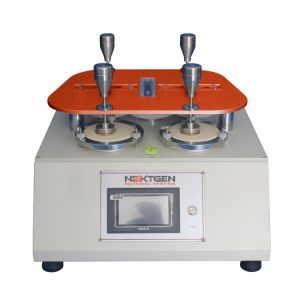
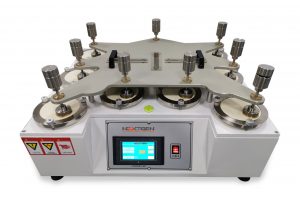
ISO 12945-2 specifies a modified Martindale method used to evaluate a textile fabric’s resistance to surface pilling, fuzzing, and matting under controlled laboratory rubbing conditions.
If you need help aligning your product requirement to the right edition and grading approach, talk with our team about your fabric type and performance target before you lock in a test plan.
ISO 12945-2:2020 — Textiles — Determination of fabric propensity to surface pilling, fuzzing or matting — Part 2: Modified Martindale method
This standard is used when a buyer, brand, mill, or laboratory needs a repeatable way to compare fabrics for surface appearance change caused by rubbing. It is widely referenced for apparel and interior textiles where “pilling performance” is part of quality control or product development decisions.
| Item | What to know |
|---|---|
| Document type | Test method (modified Martindale rubbing for pilling/fuzzing/matting resistance) |
| Current edition | ISO 12945-2:2020 (Edition 2) |
| What it measures | Resistance to surface pilling, fuzzing, and matting after specified rubbing intervals |
Quick Definition
ISO 12945-2 in one line: A laboratory rubbing method (modified Martindale) used to rate how much a fabric surface pills, fuzzes, or mats during controlled abrasion.
What This Standard Covers
ISO 12945-2 defines an apparatus-based procedure where fabric specimens are rubbed using a modified Martindale motion and then evaluated for visible surface change. The intent is comparative: assessing whether one fabric construction, fiber blend, finishing route, or supplier lot performs better or worse than another under the same conditions.
Primary outcome: A pilling/fuzzing/matting resistance rating after one or more specified rubbing stages (as defined in the standard or in the purchaser’s agreed checkpoints).
Why This Standard Matters in Testing
Pilling is a common driver of customer complaints and returns, especially for knitwear and brushed or soft-handle fabrics. ISO 12945-2 is often used to screen fabrics before bulk production, verify incoming material quality, and support supplier comparisons using a standardized machine method rather than subjective “wear tests.”
Practical note: Pilling performance is highly construction-dependent, so consistent specimen handling and controlled conditioning are essential for meaningful comparisons.
Common Materials, Product Types, or Applications Covered
This method is commonly applied to textile fabrics where surface appearance after rubbing is a defined requirement.
- Woven and knitted apparel fabrics (e.g., tops, sweaters, uniforms, workwear)
- Upholstery and interior fabrics where surface change is a specification concern
- Fleece, napped, and soft-surface fabrics where fuzzing or matting is a risk
Common Test or Verification Workflow
Most labs use ISO 12945-2 as part of a qualification or release workflow tied to appearance-grade thresholds.
Typical workflow: Condition specimens in a standard textile atmosphere (commonly referenced via ISO 139) → run the modified Martindale rubbing sequence for the agreed number of cycles/stages → visually assess pilling/fuzzing/matting at each stage using a consistent grading approach (often aligned with ISO 12945-4 visual assessment practices) → report grades and the exact conditions used.
What to define in a purchase spec: Fabric side tested, rubbing stages/cycle endpoints, grading method, and acceptance criteria (for example, a minimum grade at the final stage).
Equipment Commonly Used for This Standard
ISO 12945-2 is strongly equipment-driven. Most implementations rely on a Martindale abrasion platform configured for pilling evaluation, plus standardized consumables and a controlled viewing setup for grading.
Common equipment: Modified Martindale abrasion/pilling tester (often based on Martindale apparatus requirements referenced in the ISO 12947 series), specimen holders and loading components, standard abradant materials specified by the method, and a viewing cabinet/light source for consistent visual grading.
If you are equipping a lab or adding stations for higher throughput, you can request a detailed quote based on the number of test heads, automation needs, and the grading workflow you use.
How to Read This Designation or Revision
ISO 12945-2:2020 identifies the standard (ISO 12945), the part number (Part 2), and the publication year (2020). For purchasing documents, test reports, and supplier agreements, it is good practice to cite the full designation including the year so the lab setup and reporting expectations are aligned.
Revision sensitivity: Because pilling evaluations depend on defined rubbing stages, consumables, and assessment rules, the referenced edition can affect how results are generated and compared.
Related Standards, Methods, or Frameworks
ISO 12945-2 is typically used alongside standards that support conditioning, apparatus definitions, and consistent visual grading.
- ISO 12945-4 (visual assessment of pilling, fuzzing, and matting)
- ISO 139 (standard atmospheres for conditioning and testing textiles)
- ISO 12947-1 (Martindale abrasion testing apparatus requirements, commonly referenced when configuring Martindale platforms)
Talk through your ISO 12945-2 setup
If you are matching a buyer spec to equipment configuration (number of stations, loading options, consumables, and grading workflow), contact our team and we’ll help you map your requirement to a practical lab setup.