ISO 1133-1:2022 is an international standard method for determining melt mass-flow rate (MFR) and melt volume-flow rate (MVR) of thermoplastics under specified temperature and load conditions.
It is widely used for routine quality control and material comparison when you need a repeatable “melt flow” number tied to defined test conditions and reporting. If you need help matching the correct procedure and test condition to a resin or datasheet requirement, talk with our team.
ISO 1133-1:2022 — Plastics — Determination of the melt mass-flow rate (MFR) and melt volume-flow rate (MVR) of thermoplastics — Part 1: Standard method
ISO 1133-1:2022 defines standardized procedures to measure how a molten thermoplastic flows through a defined apparatus at a specified temperature and applied load.
The standard includes two procedures: one based on measuring extrudate mass over time (MFR) and one based on measuring piston displacement to determine volume flow (MVR). Test conditions are typically selected by the relevant material specification or by agreement between parties.
Quick Definition
What it is: A standardized melt flow test for thermoplastics that reports MFR (mass/time) and/or MVR (volume/time) at a stated temperature and load.
Primary use: Day-to-day quality control and lot-to-lot comparison using repeatable conditions.
What This Standard Covers
ISO 1133-1:2022 covers determination of melt flow using two defined procedures performed under specified temperature and load conditions.
Procedure A (MFR): A mass-measurement approach where the extruded material is collected and weighed over a timed interval.
Procedure B (MVR): A displacement-measurement approach where piston travel is used to determine the melt volume flow rate.
The standard also notes that the shear rates in this type of test are lower than typical processing conditions, so results may not always correlate directly with real-world processing behavior.
Why This Standard Matters in Testing
Melt flow results to ISO 1133-1:2022 are commonly used as a fast, standardized screening metric for melt viscosity-related behavior and consistency of thermoplastic materials.
In many manufacturing environments, the result supports decisions such as incoming resin acceptance, lot release, supplier comparisons, and confirming that a material remains within a defined processing window.
Because the reported value depends heavily on the selected temperature and load, ISO 1133-1 testing is most useful when those conditions are consistently controlled and clearly reported.
Common Materials, Product Types, or Applications Covered
This standard applies to thermoplastic materials tested in the molten state using specified conditions of temperature and load.
Common examples in practice: Commodity and engineering thermoplastics in pellet, granule, or powder form used for injection molding, extrusion, and compounding workflows where melt flow is a routine QC property.
For materials whose rheological behavior is significantly affected during the test (for example due to strong degradation or other effects during the measurement), ISO 1133-1 may be inappropriate and ISO 1133-2 is typically referenced instead.
Common Test or Verification Workflow
ISO 1133-1:2022 is typically run as a controlled, repeatable lab test with results reported alongside the test condition parameters.
Common workflow: Select the required temperature and load condition (often defined by a material standard or purchase specification), run Procedure A (MFR) and/or Procedure B (MVR), then report the value with the stated test conditions and the procedure used.
QC usage pattern: Repeat at defined sampling frequency (incoming lots, production intervals, or batch release) and trend results against control limits.
Equipment Commonly Used for This Standard
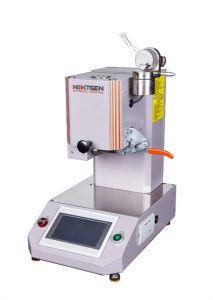
ISO 1133-1 testing is commonly performed on a melt flow indexer (also called an extrusion plastometer) configured to control temperature and apply a defined load to a piston while material flows through a defined die.
Common equipment elements: Heated barrel and temperature control, piston and weight set (load application), die, timed cutting/collection accessories for mass-based measurement, and a laboratory balance for weighing extrudate.
For MVR capability: A displacement measurement system (to track piston travel) is typically used to determine volume flow and support Procedure B reporting.
If you are comparing MFR-only versus combined MFR/MVR systems, or selecting options for automation and traceable reporting, you can request a detailed quote for a configuration matched to your throughput and reporting needs.
How to Read This Designation or Revision
ISO 1133-1 identifies Part 1 of the ISO 1133 series, which is the “standard method” for determining MFR and MVR of thermoplastics.
:2022 indicates the year of publication for the cited edition. For procurement, compliance, or customer documentation, it is good practice to state the full designation (including the part and year) and to record the specific test condition (temperature and load) used for the reported result.
Older editions may still appear in legacy specifications; when requirements are contractual, edition matching should be confirmed before testing.
Related Standards, Methods, or Frameworks
ISO 1133-1 is part of the ISO 1133 series and is commonly paired with the companion document for materials whose behavior is more strongly affected during measurement.
Common companion reference: ISO 1133-2 (method for materials sensitive to time-temperature history and/or moisture).
Talk with us about ISO 1133-1 testing and equipment
If you need help aligning your required test condition, procedure (MFR vs MVR), and reporting outputs to a customer or internal specification, contact our team and share the resin type and the ISO 1133-1 citation you must meet.