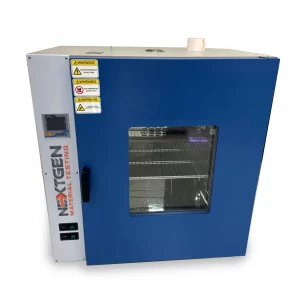
IEC 60216-4-1:2006 specifies minimum performance and verification requirements for ventilated, electrically heated single-chamber ageing ovens used to evaluate the thermal endurance of electrical insulating materials.
If you need help matching an oven’s temperature capability, ventilation/circulation approach, and monitoring features to the way your organization cites IEC 60216, contact our team for practical guidance before you lock in a chamber configuration.
IEC 60216-4-1:2006 — Electrical insulating materials — Thermal endurance properties — Part 4-1: Ageing ovens — Single-chamber ovens
IEC 60216-4-1 is an equipment-focused standard used when thermal endurance work depends on controlled oven ageing conditions. Instead of defining a single material test, it defines baseline requirements and checks for the ovens that perform ageing exposures.
This standard is commonly used alongside other parts of the IEC 60216 series that describe ageing procedures, test criteria, and calculation approaches for thermal endurance characteristics.
Quick Definition
Document type: International Standard (equipment requirements and verification checks).
What it covers: Minimum requirements plus acceptance tests and in-service monitoring tests for single-chamber ageing ovens used for thermal endurance evaluation of electrical insulation.
Typical temperature capability addressed: Ovens intended to operate over all or part of a range from about 20 °C above ambient up to 500 °C (as applicable to the oven design and the cited program).
What This Standard Covers
IEC 60216-4-1 addresses ventilated, electrically heated single-chamber ovens, including designs with or without forced gas (air) circulation. The focus is on the oven as a controlled ageing environment where specimens can be exposed reproducibly for long-duration thermal ageing programs.
It includes requirements and checks used for (1) acceptance/qualification of an oven and (2) ongoing monitoring to support confidence that the chamber continues to perform adequately over time.
Why This Standard Matters in Testing
Thermal endurance outcomes are highly sensitive to the actual exposure conditions inside the oven. When different labs (or different ovens) run “the same” ageing program, differences in airflow patterns, ventilation rate, temperature stability, or measurement practices can drive different ageing severity.
Using an oven that is designed and checked against IEC 60216-4-1 helps teams standardize the ageing environment so that thermal endurance evaluations are more defensible for internal qualification, supplier comparisons, and long-running product programs.
Common Materials, Product Types, or Applications Covered
IEC 60216-4-1 is most often encountered in electrical insulation and electrotechnical materials work where thermal ageing is used to support endurance indices or thermal class-type evaluations.
Common examples: Magnet wire enamels, insulating films and tapes, laminates, varnishes/resins, sleeving/tubing, and insulating components used in motors, transformers, coils, generators, and other electrically stressed assemblies where heat is a primary ageing factor.
Common Test or Verification Workflow
Because this is an oven performance and monitoring standard, the workflow typically supports a broader thermal ageing program rather than acting as the program itself.
Common workflow: (1) Select an ageing oven design suitable for the required temperature range and ventilation/circulation approach, (2) perform acceptance-style checks when installing or qualifying the chamber, (3) run specimen ageing exposures required by the cited thermal endurance procedure, and (4) perform periodic in-service monitoring checks to confirm the oven continues to meet required performance for the programme.
Practical note: The exact acceptance and monitoring checks you run in practice usually depend on what your test plan cites (including any lab, customer, or accreditation requirements) and the temperature range you intend to use.
Equipment Commonly Used for This Standard
IEC 60216-4-1 most directly influences the selection and configuration of ageing ovens and the supporting instrumentation used to demonstrate and maintain performance.
Common equipment: Ventilated, electrically heated single-chamber ageing ovens (natural or forced circulation), calibrated temperature sensors/probes, independent temperature recorders or data logging, airflow/ventilation components appropriate to the oven design, specimen racks/holders designed for consistent exposure, and tools used for routine functional checks and monitoring.
If you are comparing chamber volumes, maximum temperature ratings, circulation/ventilation designs, and monitoring packages for an IEC 60216-4-1-aligned workflow, you can request a detailed quote for an oven setup matched to your ageing program and documentation needs.
How to Read This Designation or Revision
IEC 60216-4-1 refers to Part 4-1 within the IEC 60216 series on thermal endurance properties, and this part specifically addresses single-chamber ageing ovens.
Revision sensitivity: Oven qualification checks, monitoring expectations, and documentation can vary by edition and by how a customer or internal procedure cites the standard. When a contract, drawing, or test plan calls up IEC 60216-4-1, it is best practice to follow the exact cited edition (for example, “IEC 60216-4-1:2006”).
Related Standards, Methods, or Frameworks
IEC 60216-4-1 is commonly used together with other IEC 60216 documents that define the ageing procedures, criteria selection, and calculation/reporting approaches for thermal endurance characteristics. It also sits alongside other IEC 60216-4-x oven standards that address different oven performance needs (such as precision ovens or multi-chamber ovens) when a single-chamber configuration is not appropriate.
Talk with us about an IEC 60216-4-1 ageing oven setup
If you want help translating an IEC 60216-4-1 callout into practical chamber requirements (temperature range, ventilation/circulation approach, monitoring, and documentation), talk with our team about your materials, exposure temperatures, and throughput targets.