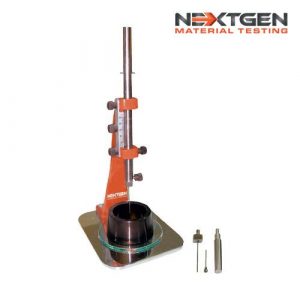
GOST 310.3-76 is a cement test method standard used to determine cement paste standard consistency (normal density), setting time (initial and final), and soundness (volume stability).
It is commonly referenced in cement and concrete quality control to verify incoming cement performance and to support mix design decisions when timing, workability window, or expansion risk are critical. If you need help matching the right edition or aligning a lab procedure to a project requirement, talk with our team.
GOST 310.3-76 — Cements. Methods for determination of standard consistency, times of setting and soundness
GOST 310.3-76 applies to cements of all types and describes laboratory methods for preparing cement paste and evaluating three key characteristics: standard consistency, setting time, and soundness (volume stability).
In day-to-day lab work, this standard is often used alongside other cement test standards that define sampling and general test conditions, because results are sensitive to paste preparation, timing, and controlled environmental conditions.
Quick Definition
GOST 310.3-76 is a cement paste test method standard for (1) standard consistency (normal density), (2) initial and final setting time, and (3) soundness (volume stability) evaluation using the apparatus and procedures defined in the document.
What This Standard Covers
This standard focuses on cement paste behavior rather than mortar or concrete strength. It covers:
- Standard consistency (normal density): determining the water demand needed to reach a specified paste consistency criterion.
- Setting time: determining initial and final set of cement paste under controlled conditions.
- Soundness (volume stability): evaluating the tendency for undesirable expansion/volume change, using the soundness method(s) specified by the standard.
Because the measurements are defined for cement paste, results are commonly used as input to broader material qualification and production controls (for example, release testing of cement lots).
Why This Standard Matters in Testing
Consistency (water demand) influences batching targets and workability window. A shift in standard consistency can signal a change in cement fineness, chemistry, or admixture compatibility behavior in real mixes.
Setting time helps predict placement and finishing timing, formwork cycle planning, and cold/hot weather risk management. It is also a practical check for abnormal behavior that can indicate storage issues or formulation changes.
Soundness (volume stability) is a screening tool for expansion risk. In cement QA/QC, it is typically used to reduce the chance of downstream issues tied to unstable constituents and abnormal expansion behavior.
Common Materials, Product Types, or Applications Covered
GOST 310.3-76 is written for cement (including Portland cement and other cement types used in construction). It is commonly applied in:
- Cement plant quality control and production monitoring
- Third-party and owner labs qualifying cement shipments
- Concrete producer QC when cement variability affects mix behavior
- R&D and troubleshooting when set time or expansion behavior changes
Common Test or Verification Workflow
While detailed steps and criteria are defined in the standard, the workflow typically includes:
1) Prepare cement paste: condition materials and prepare paste using controlled mass and mixing practice.
2) Determine standard consistency: adjust water content until the specified consistency criterion is achieved, then record the water demand as a percent of cement mass.
3) Determine setting time: prepare paste at standard consistency and track penetration behavior over time to determine initial and final set.
4) Evaluate soundness: prepare specimens and run the soundness procedure specified in the standard (equipment and acceptance are method-dependent).
Revision sensitivity: Small procedural differences (timing, apparatus details, conditioning) can change results, so labs should align the exact cited edition to the project or contract requirement.
Equipment Commonly Used for This Standard
GOST 310.3-76 is equipment-driven, and repeatability depends heavily on consistent apparatus condition, alignment, and timing control.
Common equipment: Vicat apparatus (with the specified plunger/needle and ring), cement paste mixer (or equivalent mixing setup allowed by the standard), balance, timing device, and controlled environment provisions for test conditions.
For soundness testing: the standard references dedicated soundness equipment for the specified procedure(s), such as an autoclave (where applicable) and/or boiling/water-bath equipment described by the method.
If you are equipping a lab for GOST-based cement setting and consistency work, you can request a detailed quote for a Vicat setup and accessories configured around your throughput and reporting needs.
How to Read This Designation or Revision
GOST 310.3-76 identifies a specific document within the GOST 310 cement test method series. The “310.3” portion indicates the part number within the series, and “-76” is the year in the designation.
GOST documents may also have registered changes (amendments). When a customer specification calls up GOST 310.3-76, confirm whether it expects the base text only or the base text plus any registered changes.
Related Standards, Methods, or Frameworks
This standard is commonly used with general cement testing provisions and other cement characterization methods from the same standards family, especially where those documents define sampling, sample preparation, or general lab conditions referenced by GOST 310.3-76.
For contract work, it is also common to see GOST cement test requirements combined with product specifications or project documents that define acceptance limits and reporting expectations.
Need help selecting a setup for GOST 310.3-76 testing?
If you are planning a new cement QC bench or upgrading an existing Vicat and soundness workflow, contact our team to review throughput targets, environmental controls, and the equipment options that best match the way you run GOST-based testing.