GB/T 3512 is a test method used to evaluate how vulcanized rubber and thermoplastic rubber change after exposure to elevated temperature in a hot-air oven.
It is commonly used to support material qualification and incoming QC by comparing properties before and after ageing (for example, tensile properties and hardness) at a specified ageing temperature and duration. If you need help aligning your ageing oven setup and post-age testing to the edition cited in your specification, talk with our team.
GB/T 3512-2014 — Rubber, vulcanized or thermoplastic—Accelerated ageing and heat resistance tests
GB/T 3512-2014 is a Chinese recommended national standard that provides an air-oven ageing approach for assessing heat resistance and thermal ageing effects in rubber materials.
This standard is published as a method document and is aligned with ISO 188:2011 (identical adoption), so it is frequently referenced when products or materials must demonstrate repeatable performance after hot-air exposure.
Quick definition
Age rubber test pieces in a controlled hot-air oven for a defined time and temperature, then evaluate property changes versus unaged specimens using the specified measurement methods cited by the standard.
What this standard covers
GB/T 3512 covers accelerated ageing and heat resistance testing of vulcanized rubber and thermoplastic rubber using hot-air oven exposure under controlled conditions.
In practice, the standard is used to define the oven-based ageing portion of a program, while the acceptance criteria and which properties must be measured before and after ageing are typically set by a product specification, drawing, customer requirement, or a related rubber physical test method.
Why this standard matters in testing
Hot-air ageing is a common accelerated screen for thermal-oxidative degradation that can reduce strength, change hardness, and shift rubber performance over time.
Using a standardised ageing method helps different labs compare results more reliably when qualifying compounds, comparing formulations, monitoring production consistency, or supporting supplier approval.
Common materials, product types, or applications covered
GB/T 3512 is used broadly across rubber materials and rubber-containing components where heat exposure is part of service life or processing.
- Materials: Vulcanized elastomers and thermoplastic elastomers (TPE) where post-age property retention is specified.
- Products: Seals, gaskets, hoses, belts, molded rubber parts, and rubber components used in industrial and automotive environments.
- Use cases: Heat resistance screening, compound comparisons, and verification of minimum retained properties after ageing.
Common test or verification workflow
Most labs use GB/T 3512 as the ageing step inside a broader physical testing plan.
- Prepare and condition test pieces per the referenced specimen preparation/conditioning requirements used by the cited property methods.
- Measure baseline properties (commonly tensile and/or hardness) using the test methods required by the controlling specification.
- Age specimens in a controlled hot-air oven for the specified temperature and duration.
- After ageing (and any required recovery/conditioning), re-measure the same properties and report changes or retention relative to baseline.
Practical caution: The cited edition, oven type, airflow/ventilation requirements, specimen spacing, and the chosen “before/after” property methods can materially change results, so the purchase spec should be matched to the exact GB/T 3512 edition and the product’s acceptance criteria.
Equipment commonly used for this standard
Because GB/T 3512 is an air-oven ageing method, equipment selection focuses on temperature stability, airflow/ventilation control, and the downstream property tests used to quantify ageing effects.
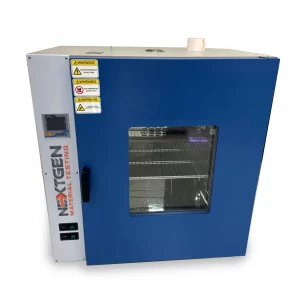
- Hot-air ageing oven: A temperature-controlled ageing oven suitable for rubber ageing programs, with the airflow/ventilation capability required by the edition and method option cited.
- Specimen racks and holders: Fixtures that support consistent spacing and exposure during ageing without contacting heating elements or restricting airflow.
- Temperature verification tools: Calibrated sensors and/or data logging used for oven verification and ongoing checks.
- Post-age test equipment (typical): Universal testing machine (UTM) with appropriate grips for rubber tensile testing, and a rubber hardness tester suitable for the hardness method required by the controlling documents.
If you are configuring a hot-air ageing oven package (and the associated tensile and hardness test tools) to match your cited GB/T 3512 edition and sample throughput, you can request pricing for a complete setup.
How to read this designation or revision
GB/T indicates a recommended (non-mandatory) national standard of China. 3512 is the standard number, and the suffix -2014 is the publication year for that edition.
Revision note: GB/T 3512-2014 replaced GB/T 3512-2001, so internal procedures, customer specs, and lab reports should cite the exact edition used to avoid mismatches in oven requirements and reporting expectations.
Related standards, methods, or frameworks
GB/T 3512 is commonly paired with separate rubber physical test methods for property measurement before and after ageing, and it is also often referenced alongside other environmental ageing methods (for example, ozone or humidity ageing) when a product requires multiple durability screens.
When a purchase specification calls out multiple ageing exposures, confirming which standards control each exposure step helps prevent gaps (or duplicated testing) across the qualification plan.
Get help selecting an ageing-oven and test setup for GB/T 3512
If you need to match an oven type, chamber size, temperature uniformity approach, or verification package to the GB/T 3512 edition cited on your drawing or customer requirement, contact our team with your target temperatures, durations, and specimen volume.