GB/T 13775-1992 is a Chinese national test method for evaluating the abrasion resistance of lightweight woven fabrics made from cotton, ramie, and silk spun yarns.
This standard is typically used to support fabric quality control and product verification where wear performance needs to be compared across materials, constructions, or suppliers. If you need help aligning your lab setup to the exact edition cited on a customer spec, you can talk with our team.
GB/T 13775-1992: Testing method for determination of the resistance to abrasion of cotton, ramie and silk spinning fabrics
GB/T 13775 is written as a method-focused document for abrasion resistance testing of specified textile fabrics. It is commonly referenced when a buyer or internal specification calls out a GB/T abrasion method for lightweight woven goods.
Document type: Test method (method document).
Quick Definition
Measures how well certain lightweight woven fabrics resist wear from controlled rubbing/abrasion under defined conditions, producing a comparable abrasion-performance result for evaluation and reporting.
What This Standard Covers
GB/T 13775-1992 covers an abrasion resistance test method intended for lightweight woven fabrics made from cotton, ramie, and silk spun yarns. It provides a standardized approach for running abrasion exposure and reporting the resulting performance outcome.
Primary focus: Abrasion resistance (wear durability) of the specified woven fabric categories.
What it does not do: It does not serve as a product specification or acceptance standard by itself; pass/fail limits are typically set by the purchasing specification, brand requirement, or internal QC plan.
Why This Standard Matters in Testing
Abrasion testing helps teams screen fabric constructions for durability and surface wear performance before committing to production, qualifying suppliers, or releasing finished goods. Using a defined GB/T method also helps reduce variability when comparing test results across lots, labs, and development iterations.
Because abrasion outcomes can be sensitive to test configuration (contact materials, applied load, motion pattern, endpoints, and reporting), matching the cited method details is important when results will be used for compliance decisions.
Common Materials, Product Types, or Applications Covered
GB/T 13775 is commonly associated with lightweight woven fabrics where abrasion resistance is a practical durability concern, including:
- Lightweight cotton woven fabrics
- Ramie (linen-type) woven fabrics
- Silk spun woven fabrics
- Apparel and lining-type woven constructions where surface wear is a key performance attribute
Common Test or Verification Workflow
Most laboratories use GB/T 13775 in a repeatable QC or benchmarking workflow:
Typical workflow: Prepare specimens from the fabric to be evaluated, run controlled abrasion exposure using the standard’s defined setup, determine the result based on the method’s specified evaluation criteria, and report performance in the format required by the purchasing or internal specification.
Practical note: Abrasion test results are highly dependent on the exact setup details and the specified evaluation endpoint, so laboratories typically align fixtures, consumables, and reporting to the exact edition referenced by the customer or contract.
Equipment Commonly Used for This Standard
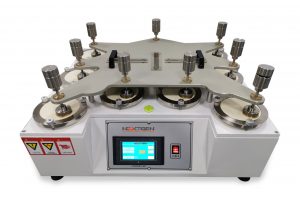
GB/T 13775 is commonly performed using a textile abrasion tester configured for the standard’s required rubbing action, loading, and specimen mounting approach.
Common equipment: Textile abrasion tester (often a Martindale-type abrasion platform), specimen holders/clamps, specified abradant materials, and counters/controls to run abrasion cycles.
Common supporting items: Cutting tools/templates for repeatable specimen sizing, conditioning space or environmental control (when required by a lab’s practice), and basic inspection tools used to evaluate wear or damage consistent with the method’s criteria.
If you are selecting a tester configuration or validating fixture compatibility for a customer requirement, you can request a detailed quote for an abrasion-testing setup matched to your throughput and reporting needs.
How to Read This Designation or Revision
GB/T indicates a recommended (non-mandatory) Chinese national standard designation format, and 13775 is the document number.
1992 indicates the year associated with the cited edition (GB/T 13775-1992). When a customer or contract references this method, the edition year matters because apparatus setup details and result reporting requirements may differ across revisions or replacements.
Status note: This edition is listed as withdrawn/abolished in the national catalog record, so users should confirm what document (or replacement method) is required for current compliance when abrasion testing is contract-critical.
Related Standards, Methods, or Frameworks
In textile abrasion testing programs, GB/T 13775 may be referenced alongside other abrasion and wear methods depending on the fabric type, end-use, and customer region. Equipment platforms are often configured to support multiple abrasion methods, but the required fixtures, consumables, and reporting can vary by standard.
Commonly encountered alongside: Other GB/T abrasion methods used in textile labs and widely used international abrasion standards (when specified by a customer), depending on procurement requirements.
Discuss your GB/T 13775 testing setup
If you need help matching an abrasion tester configuration to a cited GB/T 13775 requirement (including fixture details and practical lab workflow), you can contact our team to discuss your application.