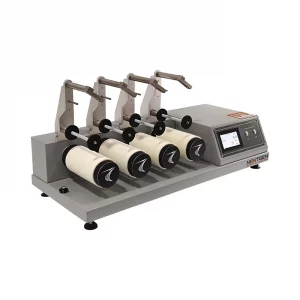
GB/T 11047-2008 is a textile test method used to evaluate a fabric’s tendency to snag when contacted by sharp or abrasive objects during wear, handling, or end-use. It is commonly specified for filament and textured-yarn fabrics where snagging appearance can be a key customer-quality metric.
If you need help aligning the method with your fabric construction, rating requirements, or the exact edition cited in a customer spec, contact our team to discuss your application.
GB/T 11047-2008 — Textiles — Evaluation for the snagging degree of fabrics — Mace test method
This standard defines a controlled laboratory procedure for producing snagging on a fabric specimen using a dedicated mace-type snagging instrument, then grading the resulting surface appearance using a defined rating approach.
It is typically used by mills, apparel/technical textile manufacturers, and third-party labs to screen materials, compare constructions, and support acceptance decisions tied to snagging appearance.
Quick Definition
Document type: Test method (appearance-based snagging evaluation).
What it measures: The degree of snagging created on a fabric surface under standardized mechanical action in a mace-style snagging tester, reported as a numerical grade.
Typical output: A snagging grade (often reported by fabric direction where applicable) plus test conditions and rating details.
What This Standard Covers
GB/T 11047-2008 covers specimen preparation, conditioning, exposure of the specimen to a mace-based snagging action on a rotating drum, and post-test rating of the snagged appearance.
In practice, this method is used when a buyer needs an objective, repeatable way to generate and compare snagging damage—especially for fabrics that are known to be snag-prone.
Why This Standard Matters in Testing
Snagging is often judged visually by end users, so many product specifications treat snagging performance as an appearance requirement rather than a single mechanical property. A standardized snagging method helps labs and suppliers compare materials using consistent conditioning, exposure severity, and rating practices.
For procurement and QA/QC, this test is commonly used to qualify incoming fabric lots, validate supplier changes (fiber type, yarn processing, finishing), and reduce field complaints tied to surface pulls and loops.
Common Materials, Product Types, or Applications Covered
This method is commonly applied to woven and knitted fabrics that are susceptible to snagging, including many filament-based constructions (and textured filament constructions) used in:
- Outerwear and performance apparel shells
- Sportswear and uniforms
- Upholstery and contract textiles where appearance retention matters
- Lining fabrics and lightweight woven synthetics
Not every fabric structure is suitable for every snagging approach. If a customer specification restricts fabric categories or excludes certain constructions, match the test plan to the cited requirement.
Common Test or Verification Workflow
A typical GB/T 11047-2008 workflow in a lab environment includes:
- Conditioning the fabric in a specified standard atmosphere
- Preparing fabric specimens and forming them into sleeves suitable for mounting on the tester drum
- Running the mace-based snagging exposure for the required program/cycles
- Allowing specimens to rest before evaluation (as required by the method)
- Grading the snagged appearance under controlled lighting using the method’s rating approach
- Reporting the final snagging grade along with the test conditions and any direction-based reporting required by the spec
Practical caution: Because this is an appearance rating, consistent lighting, evaluator training, and controlled handling of specimens can materially affect repeatability—especially near acceptance thresholds.
Equipment Commonly Used for This Standard
GB/T 11047-2008 typically points to a dedicated snagging test setup rather than a universal testing machine.
Common equipment: Mace snagging tester (drum-based), specimen mounting hardware (including resilient rings or equivalent mounting aids as allowed), and a controlled-light rating box or light booth for consistent visual grading.
Common lab accessories: Basic measuring tools for setup checks, tools for specimen preparation (cutting and sewing), and simple inspection aids (such as a magnifier) to ensure the mace contact elements remain in acceptable condition.
Quoting note: When specifying a tester, the most important matching items are drum/specimen mounting compatibility, the mace assembly configuration, and the rating-lighting setup used for visual evaluation.
How to Read This Designation or Revision
Designation: “GB/T 11047-2008” indicates a recommended (GB/T) Chinese national standard numbered 11047, issued in 2008.
Status and dates: This edition was issued on 2008-06-18 and implemented on 2009-03-01, and it replaced GB/T 11047-1989.
Revision sensitivity: Snagging exposure settings, rating practice, and reporting can vary by edition. For contractual testing, align your test report explicitly to the edition year cited by the customer requirement.
Related Standards, Methods, or Frameworks when useful
GB/T 11047-2008 is commonly used alongside textile conditioning requirements referenced within the method, and it may also be paired with other appearance-retention or durability evaluations (for example, pilling or abrasion) when building a fabric qualification plan.
Where a customer specification requires a particular conditioning atmosphere, rating environment, or reporting format, those requirements should take precedence as long as they do not conflict with the cited standard.
Get help selecting a GB/T 11047-2008 snagging test setup
If you are equipping a lab for mace-method snagging evaluations or replacing an older tester, you can request a detailed quote for a configuration that matches your specimen sizes, throughput, and rating workflow.