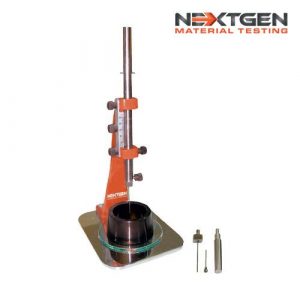
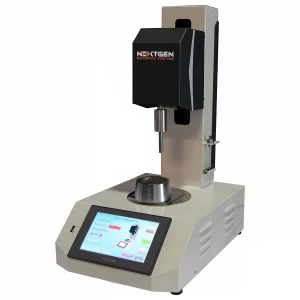
EN 480-2 is a European test method used to determine the setting time of mortar prepared with and without admixtures. It is commonly used when evaluating how an admixture influences early-age behavior such as initial and final set.
If you need help aligning your lab setup (e.g., Vicat apparatus type, timing approach, temperature control, and reporting) to the edition cited in a project spec, talk with our team about your workflow.
EN 480-2 — Admixtures for concrete, mortar and grout — Test methods — Part 2: Determination of setting time
EN 480-2 is part of the EN 480 series for test methods used with admixtures for concrete, mortar, and grout. This part focuses specifically on determining mortar setting time using a reference method framework that also permits alternative apparatus where it does not change results.
Quick Definition
What it is: A test method for determining initial and final setting times of mortar made with and without an admixture.
What it’s used for: Comparing setting behavior versus a control mortar and documenting whether an admixture accelerates, delays, or otherwise affects set under defined conditions.
Common apparatus: Vicat-type setting time apparatus (manual or automated), moulds, timing and measurement tools, and controlled laboratory conditions.
What This Standard Covers
EN 480-2 describes a laboratory method to determine setting time on mortar specimens prepared with defined materials and procedures. The method is based on the setting-time approach used for cement testing (adapted from EN 196-3) and applies that approach to mortar mixtures with and without admixtures.
The outcome is typically reported as initial and final setting times measured under specified preparation and test conditions. Because setting time is highly sensitive to temperature, water content, mixing, and timing, the standard’s controlled conditions and repeatable procedure are central to producing comparable results.
Why This Standard Matters in Testing
Setting time is an early-age performance characteristic that can affect placement windows, finishing operations, formwork cycling, and cold-weather or hot-weather concreting strategies. When admixtures are used, many project specifications and product technical files need a defensible way to demonstrate how set changes relative to a reference mix.
EN 480-2 provides a consistent, repeatable method so results can be compared across admixture types, dosages, and batches, and so test data can be used in qualification, production control, or technical submittals where EN-based methods are expected.
Common Materials, Product Types, or Applications Covered
EN 480-2 is most commonly applied to admixtures intended for cementitious systems where early set behavior is important.
Common admixture categories evaluated: Accelerating admixtures, retarding admixtures, water-reducing/superplasticizing admixtures (where set shift is a concern), and other formulations that may influence hydration and set.
Common application settings: Ready-mix and precast operations, repair mortars and grouts, sprayed concrete processes where early set is monitored, and R&D comparisons of formulation changes.
Common Test or Verification Workflow
EN 480-2 is typically used as part of an admixture evaluation program rather than as a standalone acceptance test.
Typical workflow:
- Prepare a control (no-admixture) mortar using the referenced materials and preparation approach.
- Prepare a test mortar with the admixture at the specified dosage and procedure.
- Measure initial and final setting times using Vicat-type penetration criteria as defined by the method.
- Report results in a way that allows comparison of the admixture mortar versus the control mortar under the same conditions.
Practical caution: Setting time results are particularly sensitive to timekeeping, laboratory temperature, and the specific apparatus configuration. For comparable results, the cited edition and the referenced companion methods used in the procedure should match the project or product requirement.
Equipment Commonly Used for This Standard
EN 480-2 is generally associated with cement/mortar setting-time measurement equipment and supporting lab controls. Equipment selection is usually driven by repeatability, timing discipline, and the ability to run Vicat measurements consistently across multiple mixes.
Common equipment families: Vicat setting time apparatus (manual or automatic), Vicat moulds/accessories, mortar mixing equipment, precision balance, temperature measurement, and lab environmental control (where required by the method).
What to clarify before ordering or configuring equipment: Whether the lab will run manual or automated Vicat operation, the expected sample throughput, documentation needs for test reports, and any internal or client requirements for calibration, data capture, and traceability.
If you are standardizing your setting-time bench for admixture testing and want to compare options for Vicat configurations and accessories, you can request pricing for a complete setup matched to your lab throughput.
How to Read This Designation or Revision
EN 480-2 indicates Part 2 within the EN 480 test-methods series for admixtures for concrete, mortar, and grout.
Date/edition sensitivity: This standard is commonly cited with a publication year (for example, EN 480-2:2006) and may also appear as a national adoption (such as BS EN, DIN EN, or NF EN). Test procedure details and reporting expectations can depend on the exact cited edition, so the purchase order, project specification, or product documentation should be used to identify the required version.
Related Standards, Methods, or Frameworks
EN 480-2 is commonly used alongside related EN methods that define reference materials and connected cement testing procedures.
Common related references: EN 480-1 (reference concrete and reference mortar for testing admixtures) and EN 196-3 (cement setting time method that EN 480-2 adapts for mortar testing).
Get help selecting a setting-time test setup for EN 480-2
If you need a Vicat-based setting-time system configured for routine admixture comparison work (including accessories, data capture preferences, and throughput considerations), request a detailed quote and we’ll align the configuration to your lab workflow.