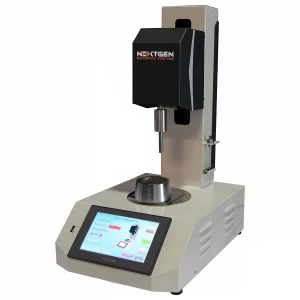
EN 13279-2 is a European test-method standard that describes reference laboratory methods used to evaluate gypsum binders and gypsum plasters covered by EN 13279-1.
If you need help aligning your product type, sampling plan, or acceptance criteria with the correct edition and companion requirements, talk with our team about your testing workflow.
EN 13279-2: Gypsum binders and gypsum plasters — Part 2: Test methods
EN 13279-2 focuses on how to run and report reference tests on gypsum-based binder and plaster products used in construction. It is commonly used by manufacturers, QA/QC labs, and third-party laboratories to support product qualification, routine compliance checks, and comparative R&D testing.
Because this is a reference-method document, it is typically applied alongside EN 13279-1 (which defines product types and requirements) rather than used as a standalone “pass/fail” specification.
Quick Definition
Document type: Test methods (reference laboratory methods).
Primary use: Measuring key physical, chemical, and mechanical properties of gypsum binders and gypsum plasters within the EN 13279 framework.
Typical outcomes: Test results used for product verification, batch control, and technical documentation.
What This Standard Covers
EN 13279-2 outlines reference methods and test conditions used to characterize gypsum binders and gypsum plasters, including sampling and laboratory conditioning principles, and the evaluation of properties that are commonly cited in gypsum-based product requirements.
Common property categories addressed: Particle-size related checks, selected chemical parameters, water/plaster ratio and consistency-related determinations, setting time, and mechanical performance (such as strength and adhesion-related performance where applicable).
Why This Standard Matters in Testing
Gypsum products can be sensitive to formulation, fineness, additives, and water demand. Using EN 13279-2 reference methods supports more consistent comparisons across batches, suppliers, plants, or projects—especially when results need to be defensible for customer approval, regulatory documentation, or third-party review.
For procurement and QA/QC teams, the main practical value is repeatability: when the method, specimen preparation, and conditioning are controlled, strength, set, and workability-related results become more meaningful for acceptance decisions.
Common Materials, Product Types, or Applications Covered
This standard is used with gypsum binders and gypsum plaster products that fall under the EN 13279 series. In practice, it often supports testing associated with:
- Powder gypsum binders intended to be mixed with water on site or in a plant
- Gypsum plasters used for interior finishing applications
- Special-purpose gypsum plaster products where EN 13279-1 product categories apply
Common Test or Verification Workflow
EN 13279-2 is typically implemented as a controlled lab workflow that ties specimen preparation, timing, and conditioning to defined test endpoints.
Common workflows: Sampling and conditioning, mixing to a defined consistency or water/plaster ratio, preparing specimens for strength-related tests, running setting time checks, and recording/reporting results in a way that supports comparison to EN 13279-1 requirements or internal specifications.
Practical note: For gypsum products, small changes in mixing energy, water temperature, timing, and ambient conditions can shift results. Equipment selection and lab procedures should prioritize control and repeatability over throughput.
Equipment Commonly Used for This Standard
The standard drives a test setup made up of general-purpose materials testing and plaster/gypsum lab tools. Exact configurations depend on which clauses you need to run (chemical, physical, setting, and/or mechanical tests).
Common equipment: Laboratory balance, sieves and sieve shaker (for particle-size related checks), mixing equipment suitable for gypsum/plaster, flow/consistency tools (as applicable), setting time apparatus, specimen molds, and a calibrated testing machine for strength-related measurements (with fixtures appropriate to the specimen geometry).
Often required accessories: Conditioning space or controlled environment capability, timers/temperature measurement, and tooling to support consistent specimen preparation and handling.
How to Read This Designation or Revision
EN 13279-2 identifies Part 2 (test methods) within the EN 13279 series for gypsum binders and gypsum plasters.
Year marking: The designation is commonly cited with a year (for example, EN 13279-2:2014). National adoptions may appear as BS EN 13279-2, NF EN 13279-2, DIN EN 13279-2, etc., while still tracking the same underlying EN document.
Revision sensitivity: Specimen preparation details, conditioning requirements, and reporting can change by edition. For contractual or compliance work, match your lab procedure to the exact edition cited in the project documentation.
Related Standards, Methods, or Frameworks
EN 13279-2 is commonly used alongside EN 13279-1, which defines gypsum binder and gypsum plaster product categories and requirements. In many lab programs, Part 1 establishes what must be met, while Part 2 defines how the supporting measurements are performed.
Get help selecting an EN 13279-2 test setup
If you are building or upgrading a gypsum/plaster lab and need to map EN 13279-2 clauses to the right test machine capacity, fixtures, and specimen tooling, you can request a detailed quote for an equipment package matched to your scope.