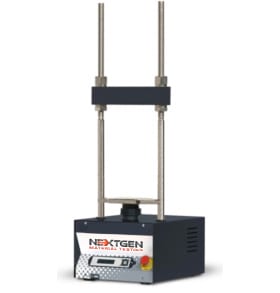
EN 12697-12 describes laboratory test methods used to evaluate how moisture and water conditioning can affect the strength or cohesion of compacted bituminous (asphalt) specimens.
It is commonly applied in asphalt mixture design, quality control, and troubleshooting when teams need evidence of moisture damage risk (stripping) or want to compare mixtures with and without anti-stripping additives. If you need help matching the right conditioning approach and strength test setup to your project requirements, talk with our team.
EN 12697-12: Bituminous mixtures — Test methods — Part 12: Determination of the water sensitivity of bituminous specimens
EN 12697-12 is a test-method standard within the EN 12697 series for bituminous mixture testing. The standard focuses on the effect of saturation and accelerated water conditioning on laboratory specimens, using strength- or cohesion-related measurements to express water sensitivity.
Because moisture damage is strongly influenced by mixture composition, air voids, compaction method, and conditioning details, the exact edition cited in contracts and specifications matters for both laboratory workflow and reporting.
Quick definition
In one line: EN 12697-12 provides lab methods to condition asphalt specimens with water and quantify the resulting change in strength or bonding-related performance.
Typical outcome: A ratio or comparison between “conditioned/wet” and “unconditioned/dry” results, used as an indicator of moisture susceptibility.
What this standard covers
EN 12697-12 specifies three approaches for assessing water sensitivity:
- Method A: Uses indirect tensile strength of cylindrical bituminous mixture specimens after conditioning.
- Method B: Uses compressive strength of cylindrical bituminous mixture specimens after conditioning.
- Method C: Determines a bonding value for a bituminous mixture shortly after mixing by measuring material that comes loose during a water-related procedure.
The methods are used to evaluate the effect of water on asphalt mixtures, including mixes with anti-stripping additives (for example, liquid amines) and mineral additives (for example, hydrated lime or cement).
Why this standard matters in testing
Moisture damage can reduce mixture strength and durability, contributing to raveling, stripping, and premature pavement distress. Water-sensitivity results are often used to compare candidate mix designs, verify production consistency, or support corrective actions when moisture-related performance issues are suspected.
From an equipment standpoint, EN 12697-12 typically connects conditioning hardware (vacuum saturation/immersion and temperature control) with mechanical testing capability (indirect tensile and/or compression), plus specimen preparation controls that strongly influence the outcome.
Common materials, product types, or applications covered
Common materials: Compacted bituminous mixtures used in road and airfield pavement layers, including mixtures produced with additives intended to improve moisture resistance.
Common applications: Mixture design evaluation, plant/production QA/QC, forensic evaluation of moisture susceptibility, and validation of additive or filler selection intended to reduce stripping risk.
Common test or verification workflow
A typical EN 12697-12 workflow includes:
- Prepare cylindrical specimens (or take cores, where applicable) using a defined compaction route.
- Measure specimen geometry and bulk density as required for grouping and calculations.
- Split specimens into “dry/unconditioned” and “wet/conditioned” subsets with comparable properties.
- Condition the wet subset using saturation and water conditioning steps defined by the selected method.
- Test strength (indirect tensile or compression) or determine bonding value, then report the relevant comparison between conditioned and unconditioned results.
Practical caution: Small differences in compaction method, target air void content, specimen handling, and conditioning temperature control can significantly affect repeatability and how results compare across labs.
Equipment commonly used for this standard
EN 12697-12 is equipment-intensive because it combines specimen preparation, controlled conditioning, and mechanical strength testing. Common equipment categories include:
Specimen preparation: Asphalt specimen compactors used for cylindrical specimens (commonly impact, gyratory, or other standardized compaction approaches), molds and accessories, and (where coring is used) coring tools and saws suitable for asphalt specimens.
Conditioning and saturation: Vacuum system and vacuum container for saturation steps, thermostatically controlled water bath(s) or equivalent temperature-controlled immersion capability, and temperature monitoring devices.
Strength testing: A calibrated load frame or universal testing system with fixtures suitable for indirect tensile strength testing of asphalt cylinders and/or compression testing with appropriate platens/heads, plus control of test temperature where required by the procedure being run.
Measurement and support: Calipers or dimensional measurement tools, balances, density/volume determination accessories, specimen labeling and tracking tools, and drying/conditioning ovens where needed for the chosen method.
If you are configuring a system for asphalt moisture susceptibility work and want to align conditioning capacity with testing throughput, you can request a detailed quote for a setup matched to your specimen sizes and daily volume.
How to read this designation or revision
Designation: “EN 12697-12” identifies Part 12 within the EN 12697 test-method series for bituminous mixtures.
Year/edition: When a year is shown (for example, EN 12697-12:2018), it identifies the published edition being cited. National adoptions may also be published under country prefixes (for example, BS EN, DIN EN, NEN-EN) with their own publication dates while referencing the same EN text.
Revision sensitivity: Conditioning steps, specimen preparation references, and reporting requirements can vary between editions. For procurement and compliance work, match your equipment and software templates to the exact edition specified by the contract or agency.
Related standards, methods, or frameworks
EN 12697-12 is commonly used alongside other EN 12697 parts that define specimen creation, coring, and supporting measurements. Depending on the method selected, related documents may include standards for indirect tensile testing fixtures/procedures, specimen compaction routes, density determination, and dimensional measurement.
Common dependencies: Specimen preparation and measurement standards within the EN 12697 family are frequently referenced to ensure specimens and supporting measurements are produced consistently before conditioning and strength testing.
Get help selecting a compliant EN 12697-12 test setup
If you are building or upgrading a water-sensitivity testing workflow for asphalt—especially where conditioning capacity, temperature control, and indirect tensile/compression fixtures must work together—contact our team to review your cited edition, specimen sizes, and throughput targets.