EN 12390-3 is a European test method for determining the compressive strength of hardened concrete test specimens by loading them to failure in a compression testing machine and calculating strength from the maximum load.
If you need help aligning specimen type (cube, cylinder, or core), end preparation approach, or machine capability with the edition cited in your project documents, talk with our team about your lab workflow.
EN 12390-3: Testing hardened concrete — Part 3: Compressive strength of test specimens
EN 12390-3 focuses on laboratory determination of compressive strength for hardened concrete specimens prepared or obtained under standardized rules. It is widely used for concrete quality control, mix validation, and compliance reporting where compressive strength is a required performance indicator.
This document is part of the EN 12390 series and is commonly used alongside companion parts that define specimen geometry and tolerances, curing, and the requirements for compression testing machines.
Quick Definition
What it is: A standardized compressive strength test method for hardened concrete specimens.
What it measures: Compressive strength calculated from maximum load at failure and the specimen cross-sectional area.
Typical specimens: Cubes, cylinders, or cores, as permitted by the standard’s referenced specimen and coring requirements.
What This Standard Covers
EN 12390-3 defines how to prepare and position hardened concrete specimens, load them in compression to failure, and express the resulting compressive strength value. It also addresses practical items that affect comparability, such as specimen end condition (for example, moulded faces versus ground or capped ends) and how to handle specimen dimensions that fall outside designated tolerances.
The standard also includes test report expectations so results can be traced to the specimen identity, dimensions, end preparation approach (when used), test date, maximum load, calculated strength, and any noteworthy deviations or unusual failure behavior.
Why This Standard Matters in Testing
Concrete compressive strength results are often used to confirm production consistency, support acceptance decisions, and compare mixtures, materials, and curing regimes. A standards-based method helps reduce variability caused by differences in end preparation, alignment, loading control, and specimen handling between curing and testing.
For labs and QA/QC teams, EN 12390-3 is also a key link between “what happened in the field” (sampling and making specimens) and “what the report says” (a defensible compressive strength result derived from a controlled test setup).
Common Materials, Product Types, or Applications Covered
This method applies to hardened concrete specimens used to represent structural and non-structural concrete performance. It is commonly used for ready-mixed concrete, precast concrete production, and project verification programs where compressive strength at a defined age is specified.
Common use cases: Production quality control, project acceptance testing, trial mixes and mix optimization, investigation programs using cores, and R&D comparisons between materials or curing conditions.
Common Test or Verification Workflow
EN 12390-3 is usually one step in a larger concrete testing chain. The overall workflow typically starts with sampling fresh concrete and making specimens, continues through curing, and ends with compressive testing and reporting.
- Receive specimens (or cores) with traceable identification and intended test age.
- Verify specimen conformity to designated sizes/tolerances (or follow the standard’s provisions for nonconforming dimensions when applicable).
- Prepare bearing surfaces as required for the specimen type (for example, moulded surfaces for cubes, or ground/capped ends for cylinders/cores when needed).
- Center and align the specimen in the compression testing machine and apply load under controlled conditions until failure.
- Record maximum load, calculate compressive strength, and document any atypical or unsatisfactory failure pattern when relevant.
Equipment Commonly Used for This Standard
Equipment selection is driven by specimen geometry, expected strength range, and the machine-performance requirements referenced by EN 12390-3 (notably the companion machine specification in EN 12390-4). In practice, the goal is stable axial loading with appropriate capacity, control, and platen arrangement for the specimen sizes you test.
Common equipment: Compression testing machine (load frame) suitable for concrete, compression platens (including arrangements used for alignment), calibrated force measurement, and a control system capable of applying load as required by the method.
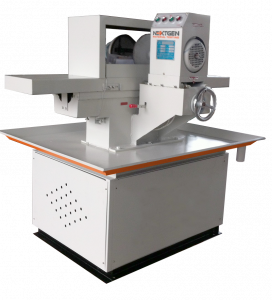
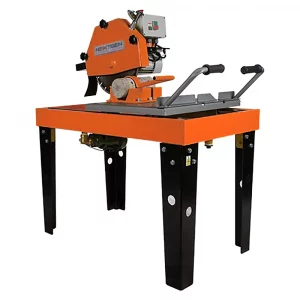
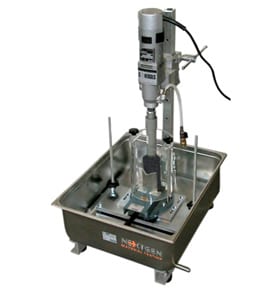
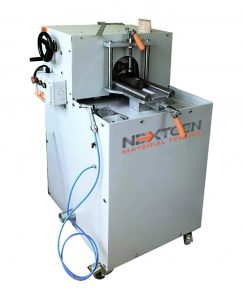
Common accessories: End-preparation tools such as grinding equipment or capping systems (where used), specimen measuring tools for dimensional checks, handling and lifting aids for heavy specimens, and moisture/temperature protection materials when specimens must wait before testing.
If you are specifying a machine capacity, platen size, or end-preparation package for cubes, cylinders, or cores, you can request a detailed quote for a configuration matched to your specimen program and strength range.
How to Read This Designation or Revision
EN 12390: The European “Testing hardened concrete” series.
Part 3: The part focused specifically on compressive strength of test specimens.
Year suffix (when shown): The publication year identifies the edition (for example, EN 12390-3:2019). Project specifications and accreditation scopes often require the exact cited edition, so test setup and reporting should match the referenced version.
National adoptions: You may see the same EN standard published with a national prefix (for example, BS EN, DIN EN, NEN-EN). These are national implementations of the European text; procurement and documentation should follow the designation required by your contract or regulator.
Related Standards, Methods, or Frameworks
EN 12390-3 is commonly used with other parts of the EN 12390 series that define specimen requirements, making and curing, machine requirements, and related hardened-concrete properties.
Commonly paired references: EN 12390-1 (specimen shape/dimensions), EN 12390-2 (making and curing specimens), EN 12390-4 (testing machine requirements), and EN 12390-7 (density of hardened concrete, often measured before strength testing).
Get Help Selecting EN 12390-3 Test Equipment
For procurement and lab upgrades, the fastest way to avoid mismatch is to align your specimen types, maximum expected strength, and throughput needs with the right compression frame capacity, platen setup, and end-preparation options. Share your specimen sizes (cube/cylinder/core) and target strength range and we’ll help narrow the configuration—request pricing for an EN 12390-3 oriented setup.