EN 12390-1 defines the required shapes, dimensions, and tolerances for cast concrete test specimens (cubes, cylinders, and prisms) and the moulds used to produce them. It is a requirements document that supports reliable, comparable results across strength and other hardened-concrete property tests.
If you need help aligning specimen and mould requirements with the specific EN 12390 test you are running (or with a project specification that cites a particular edition), talk with our team for practical guidance.
EN 12390-1: Testing hardened concrete – Part 1
EN 12390-1 is used wherever concrete test results depend on consistent specimen geometry and mould quality. It focuses on the dimensional and geometric requirements that underpin downstream tests (for example, compressive or flexural strength), helping reduce avoidable variability caused by out-of-tolerance specimens or moulds.
This standard is commonly referenced by testing laboratories, ready-mix and precast producers, QA/QC teams, and construction materials programs that require EN-based reporting.
Quick Definition
What it is: A European requirements standard for the geometry and tolerances of cast concrete test specimens and the moulds used to make them.
What it is not: A complete strength test method by itself; it supports other EN 12390 test parts by standardizing specimen form and mould performance.
What This Standard Covers
EN 12390-1 specifies requirements for cast concrete specimens made as cubes, cylinders, and prisms, and it also specifies requirements for the corresponding moulds.
Core coverage: Allowed specimen shapes, key dimensions, and dimensional tolerances; mould suitability requirements to produce specimens that meet those tolerances; and geometric considerations used to evaluate specimen/mould quality (including flatness concepts used for reliable end-bearing during strength testing).
Why This Standard Matters in Testing
Concrete results can shift when specimens are not the intended shape, when end faces are not sufficiently flat/true, or when moulds introduce systematic dimensional error. EN 12390-1 helps teams control these basic but high-impact sources of variation before a specimen ever reaches a testing machine.
In practice, many disputes over strength or performance start with questions like “Were the specimens made correctly?” or “Were the moulds within tolerance?” This standard provides a common reference point for those checks.
Common Materials, Product Types, or Applications Covered
EN 12390-1 applies to cast concrete test specimens produced for hardened-concrete testing programs.
Common use cases: Site QA/QC cubes or cylinders for acceptance testing; laboratory mix design verification specimens; production control specimens for precast/prestressed concrete; and comparative testing programs where geometry consistency is essential.
Common Test or Verification Workflow
EN 12390-1 is usually applied as part of a broader EN 12390 workflow where specimen geometry must be controlled to support later testing.
Typical workflow touchpoints: selecting the required specimen form (cube/cylinder/prism) specified by the project or the downstream EN test; choosing moulds that meet the required dimensional performance; producing cast specimens; and checking specimen dimensions/flatness/tolerances before conditioning and final testing under the relevant EN test part.
Equipment Commonly Used for This Standard
Because EN 12390-1 focuses on specimen and mould requirements, equipment selection is centered on mould quality and dimensional verification rather than the load frame itself.
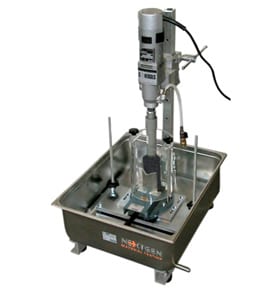
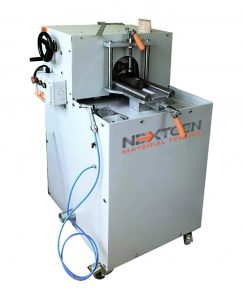
Common equipment and tools: cube, cylinder, and prism mould sets (with appropriate bases, clamps, and alignment features); dimensional inspection tools such as calipers and gauges; and flatness/planarity checking tools used for specimen and mould surfaces.
If you are sourcing moulds, inspection tools, or a complete concrete specimen preparation and verification setup to support EN-based testing, you can request a detailed quote based on your specimen shapes and throughput.
How to Read This Designation or Revision
Designation: “EN 12390-1” identifies Part 1 within the EN 12390 series for testing hardened concrete.
Year/edition: The year suffix in citations (for example, EN 12390-1:2021) indicates the edition being applied. National adoptions may be published under prefixes such as “BS EN”, “DIN EN”, or “NF EN” while remaining aligned to the EN text.
Practical note: Always match mould selection and acceptance checks to the exact edition cited in your contract documents, method statement, or laboratory quality system.
Related Standards, Methods, or Frameworks
EN 12390-1 is commonly used alongside other EN standards that specify how specimens are made, conditioned, or tested for a reported property.
Common relationship: EN 12390-1 provides the specimen and mould geometry requirements that support later hardened-concrete tests (such as strength and other performance measurements) where geometry and end condition can materially affect results.
Need the right moulds and verification tools for an EN 12390 workflow?
Share the specimen shapes you run (cube, cylinder, prism), any project-cited edition, and your expected sample volume, and we can help match mould configurations and inspection tools to your workflow. To price a setup for your lab or plant, ask for a quote.