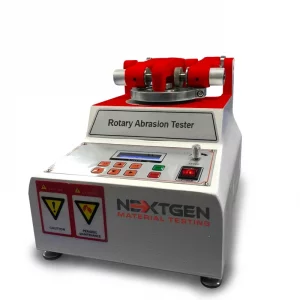
DIN 53109 is a German test method for determining the abrasion of paper and board using an abrasion wheel (abrasion-wheel) procedure. It is commonly used to compare surface durability of packaging papers, printed/converted grades, and board materials when rubbed under controlled conditions.
If you are unsure whether DIN 53109 is the right abrasion method for your material (or whether another paper/board abrasion method is being cited in your specification), talk with our team about your product and the edition you need to match.
DIN 53109: Testing of paper and board – Determination of abrasion by the abrasion wheel method
DIN 53109 defines a standardized approach for evaluating abrasion behavior of paper and board with an abrasion wheel apparatus. Results are used for comparative assessment (for example, comparing lots, suppliers, coatings, surface treatments, or printing/finishing conditions).
Quick Definition
DIN 53109 is an abrasion test method for paper and board that measures material loss/damage from controlled rubbing using abrasion wheels.
What This Standard Covers
This standard focuses on abrasion of paper and board surfaces using an abrasion wheel method. It is used for both dry and moist paper/board evaluations when required by the product specification.
What it helps quantify: Relative abrasion resistance and surface durability for paper/board grades under repeatable test conditions.
What it does not do: It does not, by itself, define product acceptance limits; pass/fail criteria are typically set by a customer specification, contract requirement, or internal quality plan.
Why This Standard Matters in Testing
For paper and board products, abrasion can impact appearance, readability of printed information, scuffing during converting/handling, and wear during transport or use. DIN 53109 provides a consistent way to compare surface performance and support QC release decisions or material change validations.
Common decision points: Supplier qualification, coating/varnish changes, print process changes, and packaging-material durability benchmarking.
Common Materials, Product Types, or Applications Covered
DIN 53109 is used with paper and board materials where surface abrasion is a concern.
- Packaging papers and paperboard
- Converted board and carton materials
- Printed paper/board where scuffing and rub resistance must be controlled
Common Test or Verification Workflow
Laboratories typically use DIN 53109 as a comparative method within a defined quality plan.
Typical workflow: Condition specimens as required by the lab procedure, run the abrasion wheel exposure under the specified setup for the edition being followed, then evaluate abrasion outcome in the reporting format required by the purchasing or product specification.
Reporting sensitivity: Comparability depends strongly on matching the cited setup (apparatus configuration and evaluation approach) to the correct DIN 53109 edition.
Equipment Commonly Used for This Standard
DIN 53109 is equipment-driven: the method centers on an abrasion wheel instrument with controlled rubbing action and standardized wear elements.
Common equipment: Abrasion wheel (rotary-platform) abrasion tester suitable for paper/board specimens, specimen clamping/mounting hardware, standardized abrasion wheels/abrasives used by the method, and a balance or other evaluation tools required by the lab’s reporting practice.
If you are selecting an abrasion wheel tester or configuring wheels, loads, and specimen fixtures for paper/board work, you can request pricing for a DIN 53109-ready configuration matched to your sample size and throughput.
How to Read This Designation or Revision
DIN standards are commonly cited with a date code that identifies the specific edition.
Example designation format: DIN 53109:2008-05 indicates a DIN 53109 edition issued in May 2008. This edition is listed as replacing DIN 53109:1993-09.
Revision sensitivity: When comparing results across suppliers or labs, confirm that the same DIN 53109 edition is being used, since referencing, editorial updates, and lab practices tied to the cited edition can affect how tests are set up and reported.
Related Standards, Methods, or Frameworks
DIN 53109 is one of several abrasion approaches used across industries. If your requirement cites a different abrasion method (even if the equipment looks similar), test conditions and reporting may not be interchangeable.
Practical tip: When a customer specification only says “abrasion (rotary platform)” without the exact standard designation, clarify the cited method before purchasing equipment or comparing results across sites.
Get help selecting an abrasion wheel tester for DIN 53109
For consistent DIN 53109 results, the right combination of abrasion tester capability, specimen mounting, and wear media matters. If you want help mapping your paper/board product to a practical DIN 53109 test setup, contact our team to discuss your material, sample format, and reporting needs.