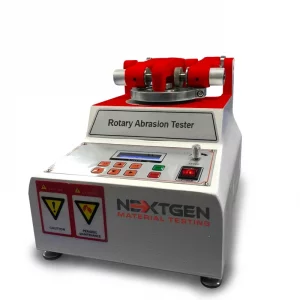
DIN 52347 is a German test method for evaluating the abrasion resistance of glass and transparent plastics using an abrasion-wheel (rotary-platform) approach and an optical measurement based on scattered light.
It is commonly referenced in durability testing for transparent glazing and similar surfaces where abrasion affects optical clarity and surface appearance. If you need help mapping this legacy designation to a current equivalent, talk with our team.
DIN 52347: Testing of glass and plastics; abrasion test; method using abrasion wheels and measurement of scattered light
DIN 52347 describes an abrasion (wear) test for transparent materials where surface damage is quantified by measuring the increase in scattered light after controlled abrasion with rotating abrasive wheels.
The standard is withdrawn as a DIN document and is often encountered as a legacy callout in older drawings, internal specifications, and long-running qualification plans.
Quick definition
Document type: Test method (abrasion resistance / optical change).
Core idea: Abrade the specimen with rotating abrasive wheels, then quantify abrasion damage by an optical scattered-light measurement (often discussed as haze/clarity loss behavior).
Typical intent: Compare surface durability of transparent glazing materials or coatings under a repeatable wheel-abrasion exposure.
What this standard covers
DIN 52347 focuses on a rotary platform abrasion setup that uses two abrasive wheels acting on a specimen surface. After the abrasion exposure, the resulting surface change is evaluated by measuring the increase of light scattered by the specimen.
Because the measured outcome is optical (scattered light), the method is most relevant for transparent materials where surface micro-scratching and scuffing reduce clarity.
Why this standard matters in testing
Abrasion resistance for transparent parts is not only a cosmetic concern. For glazing and clear protective components, abrasion can reduce visibility, alter appearance under light, and change perceived quality.
In procurement and quality control, DIN 52347-style testing is frequently used as a comparative screen (material-to-material, supplier-to-supplier, or coating variant-to-variant) when the acceptance criterion is tied to optical degradation after controlled wear.
Common materials, product types, or applications covered
Common materials: Glass and transparent plastics.
Common product examples: Transparent panels, glazing components, clear covers, and other surfaces where abrasion-driven scattered-light increase is a functional or appearance risk.
Common application context: Transparent safety glazing and similar durability-critical transparent surfaces.
Common test or verification workflow
Many DIN 52347 workflows follow a straightforward pattern: prepare a flat specimen surface, run a defined abrasion exposure using a rotary abrasion instrument with abrasive wheels, and then measure the optical scattered-light change of the abraded area.
Practical caution: Results are highly sensitive to the exact wheel type, applied load, number of cycles, specimen cleaning/handling, and the specific optical instrument and geometry used for the scattered-light measurement. For procurement specs, the cited edition and the required reporting metric should be matched to the customer requirement before equipment is selected.
Equipment commonly used for this standard
DIN 52347 typically points to a rotary abrasion platform with a dual-wheel abrasion head and controlled loading, paired with an optical instrument capable of quantifying scattered-light increase on the test area.
Common equipment families: Rotary abrasion tester (rotary abrader style), abrasive wheels, loading weights, specimen turntable and clamping, and an optical scattered-light / haze-style measurement instrument suitable for transparent specimens.
If you are comparing abrasion platforms, wheel sets, and optical measurement options for your material and reporting needs, you can request a detailed quote for an equipment package matched to your lab workflow.
How to read this designation or revision
DIN standards are often cited with an edition date. A common citation format for this document is DIN 52347:1987-12.
Revision sensitivity: DIN 52347 is listed as withdrawn, and legacy citations may require conversion to the replacement ISO-based documents used for current compliance programs. When an end-customer specification still calls out DIN 52347, confirm whether they intend the historical method as-written or the current replacement method(s).
Related standards, methods, or frameworks
DIN 52347 has been replaced by ISO-based standards used for safety glazing abrasion testing. In DIN catalogs, DIN 52347 is listed as replaced by DIN ISO 3537 and DIN ISO 15082.
When a specification references DIN 52347 for automotive-style safety glazing, these replacement documents may be the appropriate current basis—depending on whether the glazing is glass or rigid plastic and how the customer defines acceptance.
Discuss DIN 52347 testing needs
If you need to align a DIN 52347 callout with current replacement standards, or you are unsure which abrasion wheels and optical measurement approach fit your material, contact our team and we’ll help you scope a practical, standards-based setup.